

Ft. Myers, FL
The Project
The Challenge
The Solution
FREE INSPECTION REQUEST

Market: Residential
Solution: Soil Stabilization & Concrete Lifting
Services: Two-Part Polyurethane Foam Injections
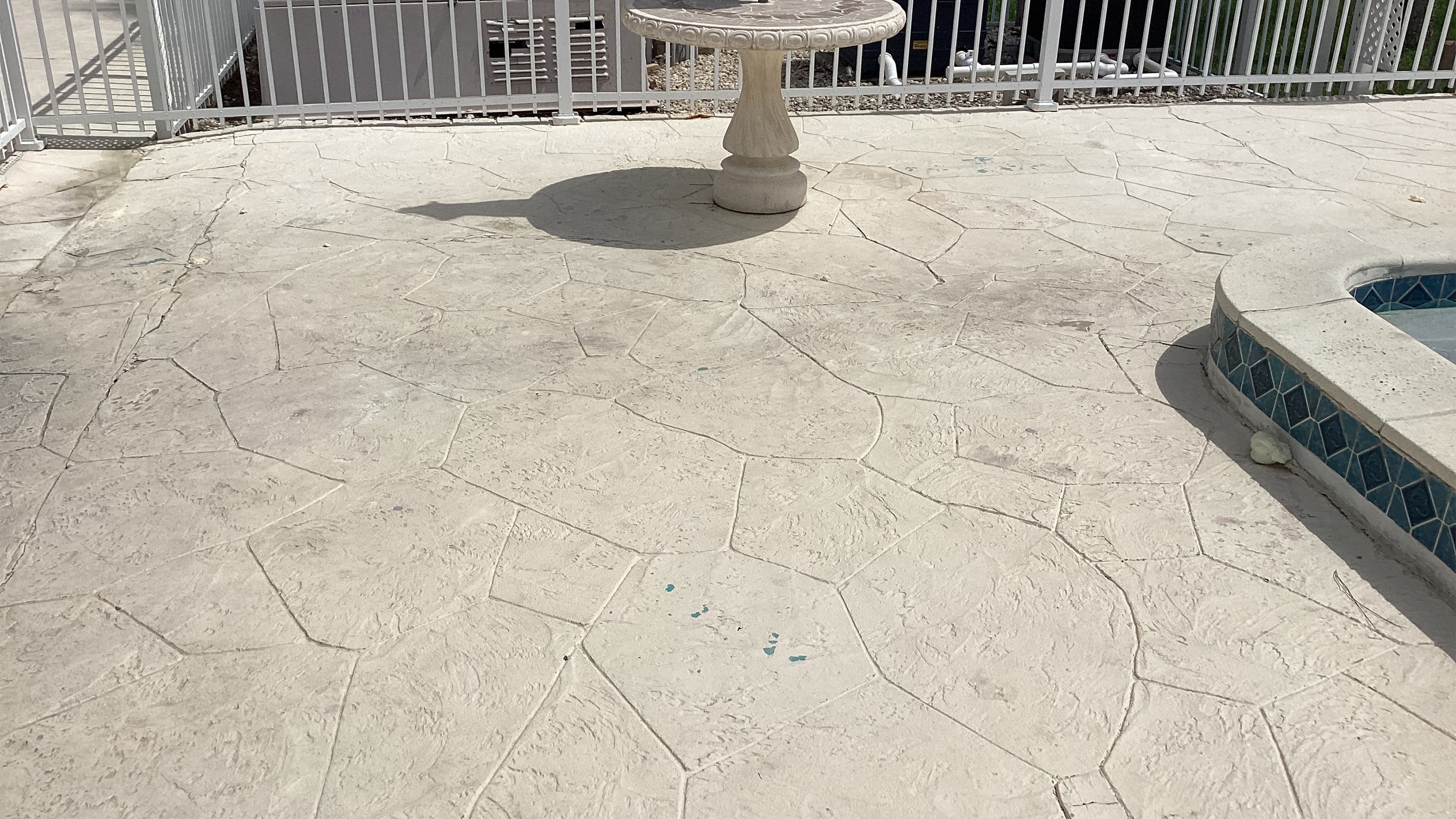
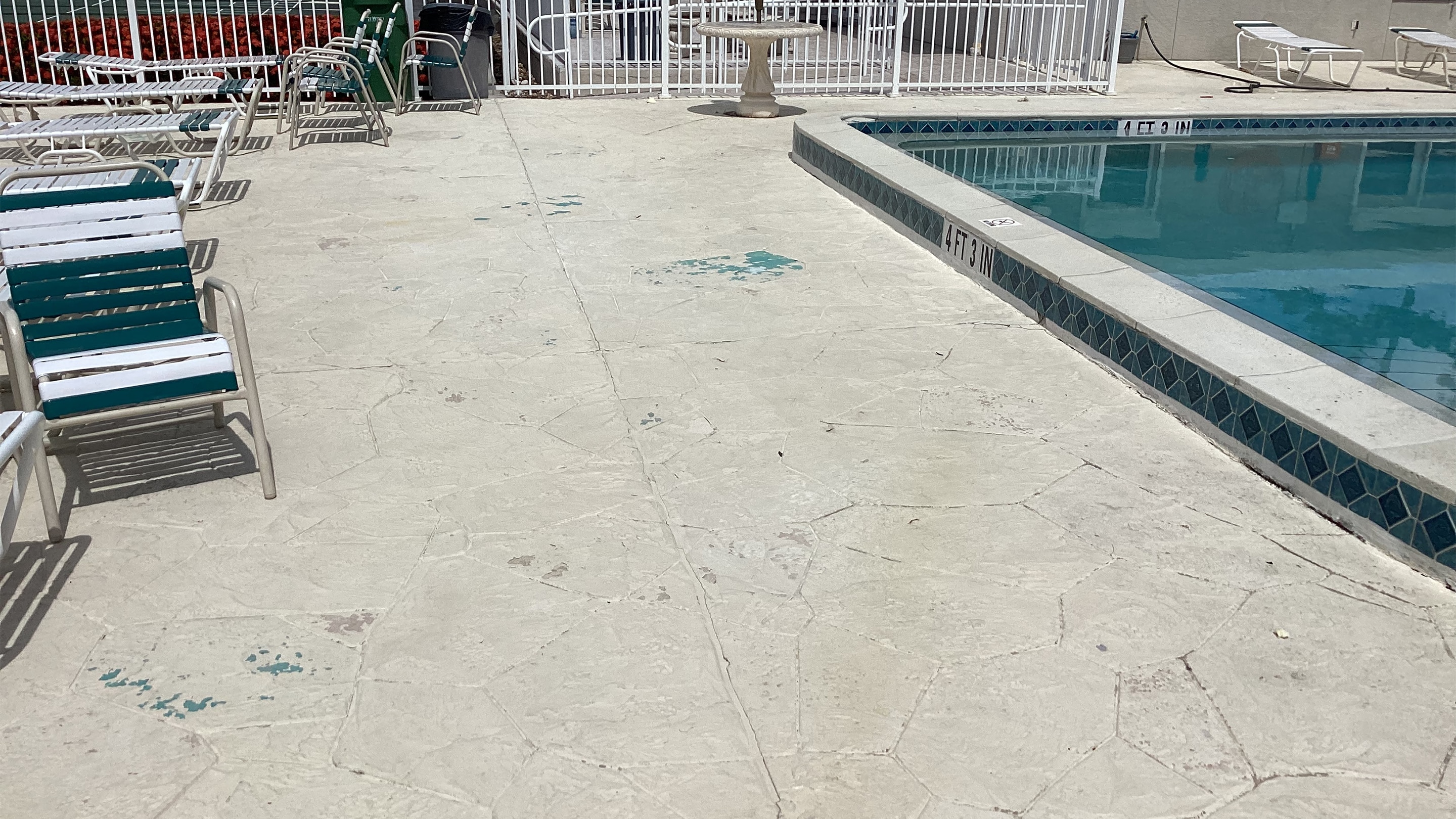
The pool deck—installed more than three decades ago—had supported countless seasons of foot traffic, furniture loads, thermal cycles, and Florida’s periodic soaking/drying. The HOA reported the following issues:
The board’s directive was clear: stabilize the existing deck and recover level ground where practical through polyurethane injection, not deep soil work. This would preserve the budget, minimize downtime, and prepare the deck for a planned cosmetic resurfacing by a separate contractor once structural objectives were met.
Pool decks experience settlement for a handful of recurring reasons—granular subbase migration toward the pool shell, moisture changes at expansion joints, and voiding around penetrations. This site added a few constraints:
With those realities in mind, Helicon proposed a mapped, low-impact polyurethane injection plan designed specifically for occupied amenities: small diameter ports, short curing time, and careful lift controls to protect the pool shell and utilities.
Helicon recommended two-part expanding polyurethane foam for its ability to fill voids, tighten sandy subgrade, and re-establish slab contact with minimal disruption. Compared with mudjacking or demolition, foam requires smaller injection points, yields lighter added mass, and cures within minutes, enabling phased access around the pool.
Although a deep soils option was discussed during planning, the HOA ultimately chose slab-only injections for this phase. Our team preserved that scope boundary while documenting any zones that might benefit from future deep treatment if performance monitoring ever suggests it.
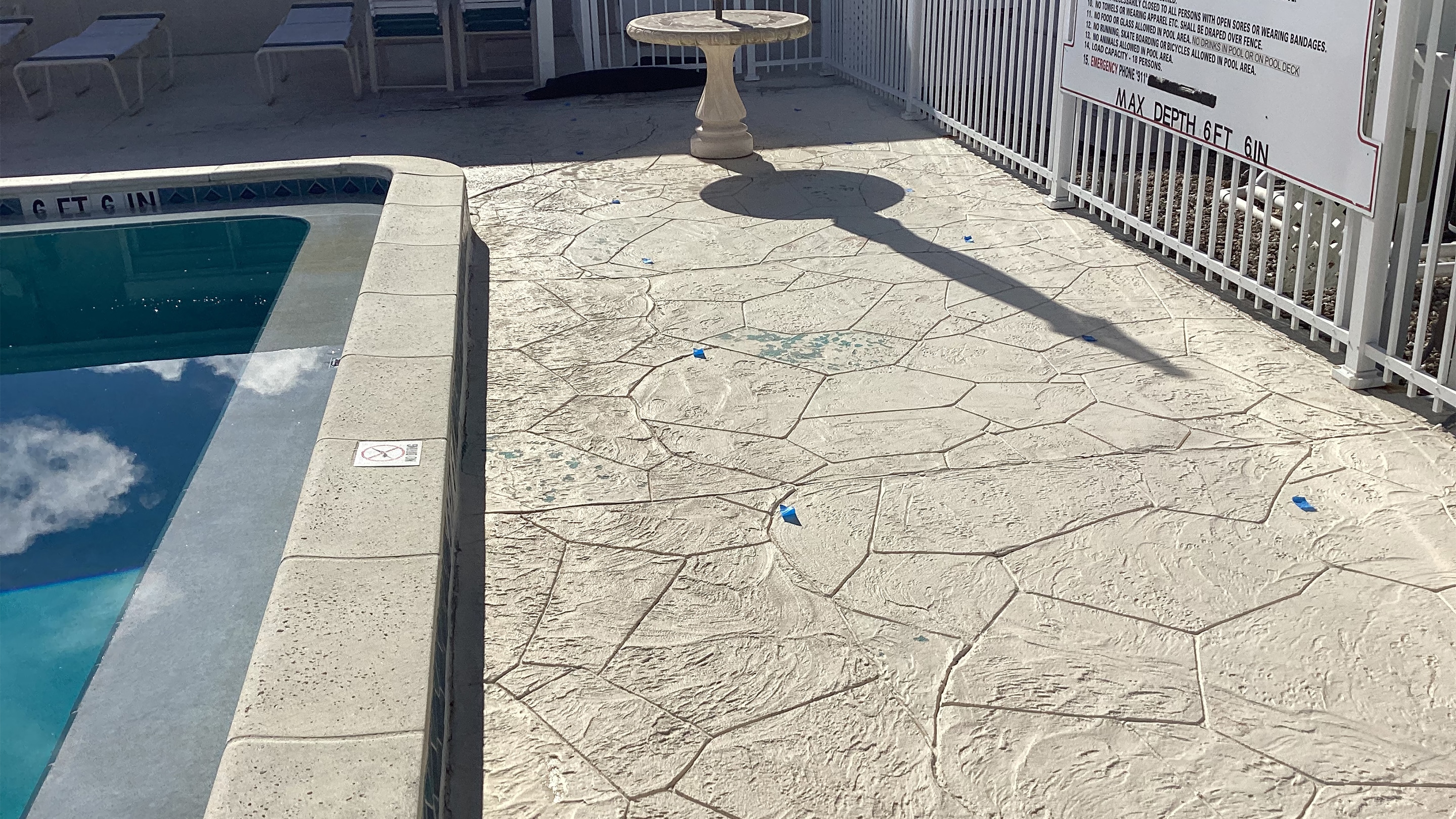
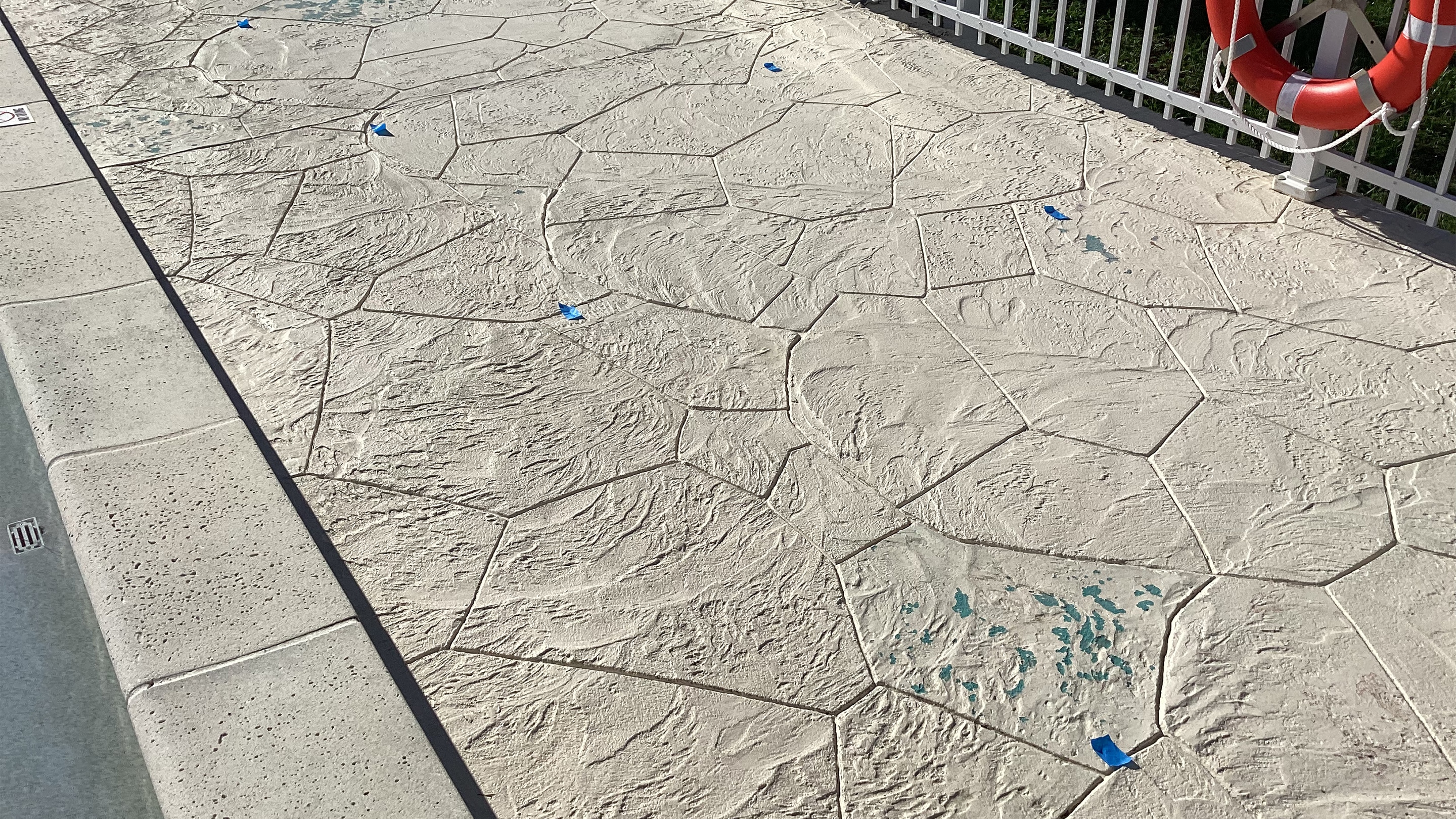
The deck now bears on a re-coupled subgrade, with voids filled beneath critical panels and edge support restored near the pool cap. Where slab behavior permitted, incremental lift was achieved to reduce trip differentials and improve grout line alignment—without stressing the shell or risking over-correction.
The HOA planned a post-stabilization cosmetic refresh (resurfacing/rehab) of the deck. The foam program created a sound, stable base so that the aesthetic contractor isn’t fighting ongoing movement. This sequencing also minimizes the risk of new finish cracks appearing immediately after resurfacing.
Against the backdrop of an $800,000 replacement estimate, the board realized significant savings by stabilizing and leveling what’s already in serviceable condition—extending the deck’s useful life and avoiding the disruption, permitting, and extended downtime of demolition and rebuild.
With small ports and fast cure, our crews phased work to maintain access and keep noise/vibration low. Most areas were returned to light service rapidly, supporting an active community schedule.
Q1: Can foam injections “fix” every crack?
Foam addresses the cause (voids/subgrade loss) by restoring support. Many hairline cracks won’t widen further once support is back; however, cosmetic repairs are still recommended for appearance and waterproofing. The board planned a post-stabilization resurfacing step for this reason.
Q2: Will foam damage pool plumbing or lights?
We mapped and respected utility runs and used low-volume, multi-point lifts to limit pressure migration. Additionally, the HOA confirmed no leaks pre-project—an important prerequisite for success. Post-work, residents should continue standard leak vigilance.
Q3: Why not perform deep soil injections now?
Deep treatment can be valuable where underlying soils are loose at depth or where recurring settlement is expected. In this case, the board approved slab-only injections to address immediate safety/levelness needs and budget priorities. The stabilized deck can be monitored; if future movement is observed, deep soils can be added as a targeted follow-on.
Q4: How long does this last?
Two-part foam is inert once cured. Longevity depends on drainage and moisture management around the deck. We provide recommendations (e.g., maintain expansion joints, ensure deck drainage paths are clear) to support long-term performance.
Helicon is Florida’s trusted partner for foundation repair, soil stabilization, concrete lifting, and sinkhole repair. We serve HOAs, property managers, and homeowners across Southwest Florida, including Fort Myers, Cape Coral, Estero, Bonita Springs, and Naples. Our mission is straightforward: deliver safe, smart, and schedule-friendly solutions that protect your property and peace of mind.
Noticing grout separations, trip edges, or corner chips around your Fort Myers or Cape Coral pool deck? Helicon’s polyurethane injection can stabilize voids and re-support slabs quickly—often with gentle lift where conditions allow. Keep your community amenity open and avoid costly replacement. Call 844-HELICON to schedule a free inspection and receive a customized stabilization plan tailored to your property.
FREE INSPECTION REQUEST