

Signs Your Soil
May Be Unstable
The stability of your home, concrete, and seawall all depend on the condition of the soil beneath them. In Florida, sandy soils, organic material, erosion, and fluctuating moisture levels can weaken soil over time. When the ground loses strength or compacts unevenly, structures above it begin to shift, settle, or crack.
Recognizing the early signs of unstable soil can help prevent more extensive structural damage and costly repairs.

Cracked or Shifting Foundation
When soil loses its load-bearing capacity, foundations can settle unevenly. This often appears as wall cracks, sloping floors, or separation around windows and doors.
Unstable soil may compress under the weight of the structure or wash away due to drainage issues. Over time, this movement places stress on the foundation system and surrounding structural components.
If foundation issues are recurring or appearing in multiple areas, the underlying soil conditions may need to be addressed.
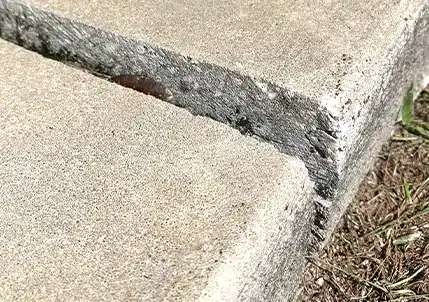
Sunken or Uneven Concrete Slabs
Driveways, patios, pool decks, and sidewalks that dip or tilt are often supported by soil that has eroded or compacted improperly. As voids form beneath the slab, the concrete loses support and begins to settle.
These elevation changes can create safety hazards and allow water to collect, further weakening the soil below. In many cases, lifting the slab without addressing soil instability can lead to recurring settlement.
Stabilizing the soil helps restore proper support and prevent continued movement.
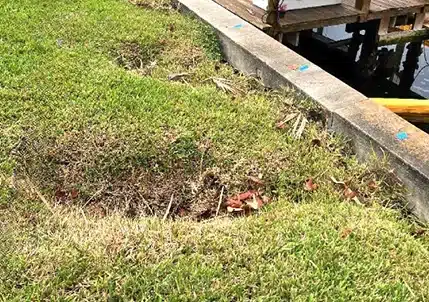
Voids or Depressions in the Yard
Unexpected low spots, sinkholes, or soft areas in the yard may indicate soil washout or decomposing organic material underground. These voids can develop slowly over time or appear suddenly after heavy rainfall.
As soil erodes or collapses beneath the surface, nearby structures may begin to shift. Visible yard depressions are often one of the earliest indicators that subsurface soil conditions are deteriorating.
Identifying and stabilizing affected areas early can prevent further ground movement.
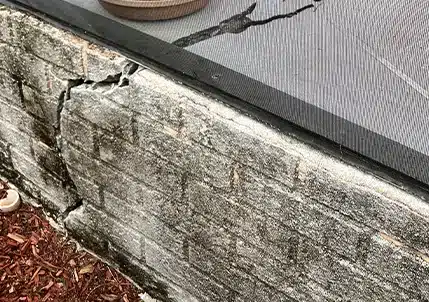
Leaning Seawalls or Retaining Walls
Vertical structures rely heavily on stable backfill soil for support. When soil weakens or erodes behind a seawall or retaining wall, pressure distribution changes and movement can occur.
Walls may begin to lean, bow, or crack as the soil behind them loses strength. In Florida’s coastal and canal environments, repeated water intrusion accelerates this process.
Stabilizing soil behind these structures helps restore resistance against lateral forces and reduces the risk of failure.
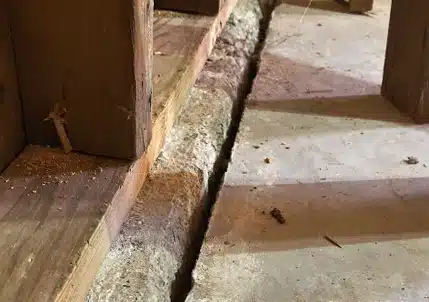
Detached Patios or Pool Decks
When patios or pool decks pull away from the home, it often signals soil settlement beneath the slab. Separation gaps form as supporting soils compress or wash out.
This movement can affect drainage patterns and increase the likelihood of further erosion. If left unaddressed, detached slabs may continue to shift, creating larger structural and safety concerns.
Soil stabilization can help reestablish consistent support and limit continued separation.

Persistent Water Pooling
Standing water after rainfall is more than a drainage nuisance. It can indicate poor soil compaction, erosion, or subsurface voids that prevent proper water absorption and runoff.
Over time, repeated saturation weakens soil structure, reducing its load-bearing capacity. This cycle of moisture and drying contributes to settlement and instability.
Improving drainage and stabilizing compromised soil helps protect the structures above from long-term movement.
Concerned About Soil Stability on Your Property?
Helicon evaluates soil conditions, structural movement, and contributing environmental factors to determine whether stabilization is needed. By strengthening and improving soil performance beneath foundations, slabs, and seawalls, long-term stability can be restored without unnecessary reconstruction.
Addressing soil issues early helps protect your home, property, and investment.