

Causes of Unstable
Soil in Florida
Florida’s environment presents unique soil challenges, especially in coastal regions, high water table areas, and properties built on sandy or organic fill. Over time, natural and man-made factors can weaken soil structure, reduce load-bearing capacity, and create subsurface voids.
Understanding what leads to soil instability is essential to protecting foundations, slabs, seawalls, and other structures.
Property Construction & Development
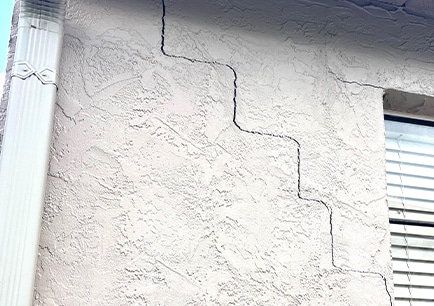
During development, land is often cleared, graded, and built up using fill material. If this fill was not properly compacted, or if organic material was left buried beneath the surface, soil can compress unevenly over time.
As structures apply weight to inadequately prepared soil, settlement may occur years after construction. Poor site preparation is one of the most common contributors to long-term instability.
High Water Tables
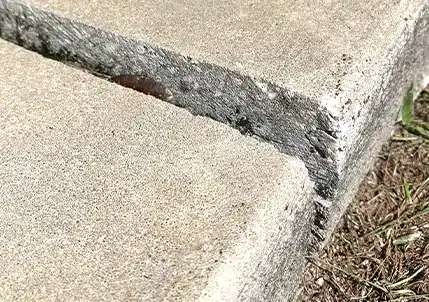
Florida’s naturally high groundwater levels significantly influence soil performance. When groundwater rises, soil can become oversaturated and lose strength. When it drops, soil may compact or shift.
These repeated moisture fluctuations reduce consistent support beneath structures and contribute to gradual settlement or void formation.
Ground & Soil Erosion
Heavy rainfall, irrigation runoff, poor drainage, and leaking utilities can wash away soil beneath slabs, foundations, or landscaping. As soil erodes, underground voids develop.
Without proper support, structures above may settle unevenly or shift. Erosion is often progressive, meaning small problems can expand if not addressed.
Organic Matter Decomposition
Some properties are built on or near former wetlands or areas containing buried organic material such as tree roots or vegetation. Over time, organic matter decomposes.
As decomposition occurs, soil volume decreases and voids can form beneath the surface. This loss of mass reduces load-bearing capacity and may result in settlement.
Karst Topography
Much of Florida sits atop limestone formations. Over time, groundwater can dissolve limestone, creating subsurface cavities.
When overlying soils shift into these voids, ground instability can occur. While not every soil issue is sinkhole-related, regional geology plays a significant role in certain parts of the state.
Soil Composition Variability
Florida soils often consist of layered sand, clay, silt, and fill material. These layers do not all respond to moisture and pressure the same way.
When one layer compresses or erodes more quickly than another, uneven support develops. This variability contributes to differential settlement beneath structures.
Concerned About Soil Instability on Your Property?
Schedule a professional evaluation to identify what’s causing ground movement and determine the right stabilization approach before structural damage progresses.