

Signs You May
Have Sinkhole Activity
Sinkholes often begin below the surface, where soil layers erode or collapse into underground voids. In Florida, limestone geology and fluctuating groundwater levels make certain areas more susceptible to subsurface instability. Early warning signs may appear gradually and can resemble standard settlement issues at first.
Recognizing these indicators early allows for proper evaluation and stabilization before significant structural damage occurs.

Cracks in Foundation or Walls
Horizontal, stair-step, or widening cracks along interior or exterior walls may signal movement beneath the structure. When soil shifts or collapses into underground voids, foundations can settle unevenly.
Unlike typical cosmetic cracking, sinkhole-related cracks often continue to grow or reappear after repair. Multiple cracks forming in different areas of the home may indicate deeper soil instability.
A professional evaluation can determine whether the movement is due to normal settlement or potential subsurface void activity.

Uneven or Sinking Floors
Floors that slope, feel spongy, or appear visibly lower in certain areas can indicate ground loss beneath the foundation. As underlying soils weaken or collapse, portions of the structure may lose support.
This movement can happen gradually or become noticeable after heavy rainfall or seasonal groundwater changes. In severe cases, elevation differences may worsen over time.
Investigating floor settlement early helps identify whether deeper soil stabilization is needed.

Sticking Doors & Windows
When structural framing shifts due to ground movement, doors and windows may become misaligned. Homeowners often notice doors that jam, won’t latch, or swing open unexpectedly.
If these issues appear suddenly or coincide with visible cracking elsewhere, they may indicate broader structural movement. Frame misalignment is often one of the first functional signs that something beneath the home has changed.
Monitoring these changes can help prevent further structural distortion.

Drywall Cracks or Ceiling Gaps
Cracks forming along drywall seams or separations between walls and ceilings can occur as the structure adjusts to uneven settlement. These signs may seem minor at first but can widen as soil instability progresses.
When combined with exterior cracking or floor slope changes, interior drywall separation may point to larger subsurface concerns.
Identifying the source of movement helps determine whether cosmetic repair alone is sufficient or if deeper soil stabilization is required.
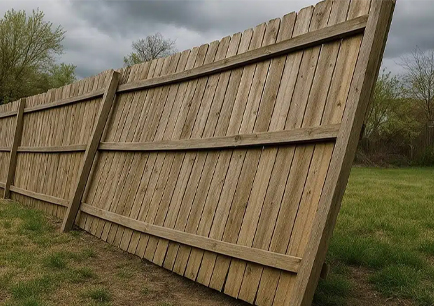
Tilting Fences or Exterior Walls
Uneven ground movement does not only affect structures attached to the home. Fences, retaining walls, and other exterior features may begin leaning or shifting if soil beneath them weakens.
Sudden tilting, especially in combination with yard depressions or foundation cracks, can indicate subsurface soil displacement.
Addressing soil instability early helps prevent progressive ground movement that may affect larger structures.

Pooling Water or Sudden Depressions
New low spots in the yard, standing water that collects in unfamiliar areas, or sudden depressions in landscaping can indicate soil washout or collapse below the surface.
Florida’s heavy rainfall can accelerate erosion into underground cavities, enlarging voids over time. While not every depression indicates a sinkhole, unexplained or expanding ground changes should be evaluated.
Early assessment helps determine whether soil compaction, drainage correction, or deeper stabilization measures are necessary.
Concerned About Potential Sinkhole Activity?
Helicon evaluates structural movement, soil conditions, and subsurface stability to determine whether sinkhole-related settlement is present. Our team provides thorough inspections and stabilization solutions designed to strengthen compromised soils and protect the integrity of your property.
Addressing warning signs early can help prevent further structural damage and preserve long-term stability.