

Why Foundation Problems
Happen in Florida
Florida’s soil and climate create constant pressure beneath homes. Unlike areas with stable bedrock, much of Florida sits on sandy soils, clay layers, organic fill, and limestone formations that shift with moisture and time. When soil loses strength or moves unevenly, the foundation above it responds.
Understanding the root cause is the first step toward permanent stabilization.
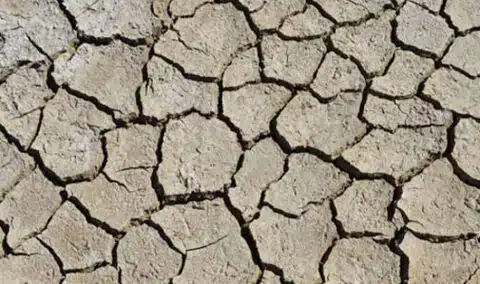
Expansive Clay & Loose Sandy Soils
Many Florida properties are built on a mix of loose sand and clay-based soils. Clay expands when wet and shrinks when dry. Sandy soils, on the other hand, can wash out easily during heavy rain.
This constant expansion, contraction, and erosion cycle reduces consistent support beneath the foundation. Over time, uneven pressure causes sections of the home to settle at different rates, leading to cracking and structural stress.
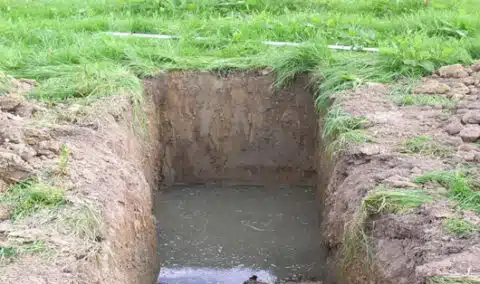
High Water Tables
Florida’s naturally high groundwater levels significantly affect soil stability. When groundwater rises, it can soften supporting soils. When it drops during dry periods, soils may compress or shift.
These repeated moisture fluctuations change the load-bearing capacity of the ground beneath your home. As soil strength changes, foundations may settle unevenly.
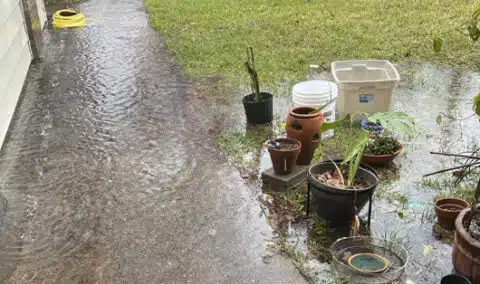
Poor Drainage & Stormwater Runoff
Improper grading, clogged gutters, and concentrated runoff can erode soil around and beneath a foundation. When water is not directed away from the structure, it can create voids or oversaturate soils.
Erosion reduces support, while oversaturation weakens soil structure. Both conditions contribute to foundation movement over time.
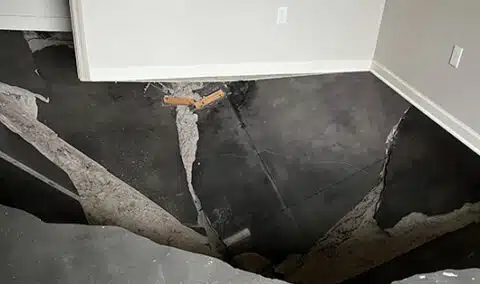
Sinkhole Activity
In parts of Florida underlain by limestone, natural voids can develop below the surface. As groundwater dissolves limestone over time, subsurface cavities may form.
When soil layers shift into these voids, foundations can lose support and begin settling. While not every settlement issue is sinkhole-related, regional geology plays an important role in certain areas of the state.
Inadequate Construction or Soil Preparation
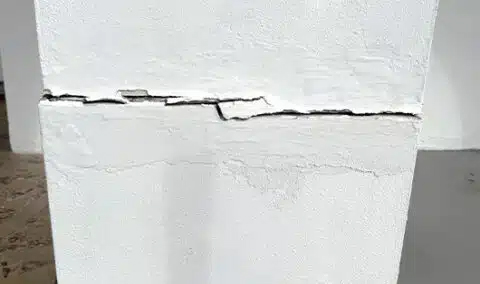
Some properties are built on improperly compacted fill or organic material. Over time, these materials decompose or compress under structural weight.
If soil was not adequately prepared before construction, settlement may occur years after the home was built. This type of long-term compaction can create uneven foundation support.
Hurricane & Flood Damage
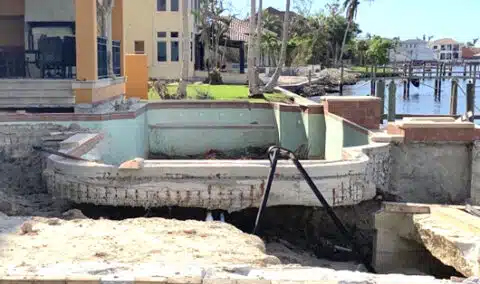
Severe storms can dramatically alter soil conditions. Flooding can wash away supporting soil, while prolonged saturation weakens load-bearing capacity.
After major storm events, homeowners may notice new cracks, sticking doors, or floor slope changes. In coastal and flood-prone regions, storm impact is a significant contributor to foundation movement.
Concerned About Your Foundation?
Our experts will assess your home, identify what’s causing the movement, and outline the most effective path forward.