Cracks in walls, sticky doors, or sloping floors can make any homeowner worry. These problems often point to deeper issues with your home’s foundation. When the base of your house starts to move or sink, small signs can turn into big, expensive repairs.
That’s where foundation stabilization for homes comes in. By targeting weak soil, sinking areas, or shifting slabs, you can stop the damage from getting worse. Helicon provides clear options, so you understand what’s happening under your home and what it takes to fix it.
In this guide, you’ll learn how to spot warning signs early, what causes foundation movement, and which repair methods actually work. You’ll also see what to expect during repairs and how to protect your home long term, so you can move forward with confidence.
What Does Foundation Stabilization Mean?
Foundation stabilization means stopping your home’s foundation from shifting or sinking. It involves fixing soil problems and strengthening the base your home rests on. Knowing how to spot issues and why fixing them matters will help protect your home’s safety and value.
When soil shifts, erodes, or settles unevenly, the foundation can move. Stabilization reverses this problem by reinforcing weak areas. Without it, foundation problems tend to get worse over time, leading to costly repairs. You want your home to be solid and safe, and foundation stabilization is how you achieve that.
Common Signs of Foundation Problems
You can tell if your foundation has issues by watching for several common signs:
- Cracks in walls, floors, or around windows and doors
- Doors and windows that stick or don’t close properly
- Uneven or sloping floors
- Gaps between walls and floors or ceilings
- Noticeable sinking or tilting of the building
If you notice one or more of these signs, it’s important to act quickly. Early repair can prevent bigger problems.
Importance for Home Safety and Value
A stable foundation keeps your home safe to live in. It supports the entire structure, ensuring your walls, floors, and roof stay strong. Without it, there’s a risk of serious damage that can threaten your family’s safety.
Besides safety, foundation stabilization helps protect your property’s value. Homes with foundation problems lose market value and are harder to sell. Fixing issues early keeps your investment sound and makes your home appealing to buyers.
Causes of Foundation Instability
Foundation problems usually happen because of forces or factors affecting the ground or structure around your home. These include changes in the soil beneath your foundation, water-related damage, nearby vegetation, and how your home was built. Knowing these causes helps you spot issues early and choose the right fix.
Soil Movement and Types
Soil below your home plays a big role in foundation stability. Some soils, like clay, expand when wet and shrink when dry. This constant changing can cause your foundation to shift or crack.
Sandy soil, on the other hand, may not hold water well and can wash away, leaving gaps under your foundation. This uneven soil support can lead to sinking or tilting. Soil compaction also matters.
Loose or poorly compacted soil is less able to bear your home’s weight. Professionals often use soil stabilization techniques to strengthen weak soil, helping prevent future foundation movement.
Water Damage and Drainage Issues
Water is one of the main enemies of a stable foundation. Poor drainage around your home causes water to pool near or under the foundation, which weakens the soil. Leaking pipes, heavy rain, or flooding can saturate soil, making it soft and less supportive.
Over time, this can lead to foundation settling or cracks. Gutters and downspouts should direct water away from your home. Also, proper landscaping and grading can help prevent water buildup. Fixing these drainage problems early reduces the risk of serious damage.
Tree Roots and Vegetation
Trees and large plants near your home can impact your foundation. Roots grow searching for water and nutrients, often extending under foundations in search of moisture. Roots can soak up too much water from the soil, causing it to dry and shrink.
This drying may make the soil contract, leading to foundation shifting. In some cases, large roots can physically press against the foundation or pipes, causing cracks or breaks. Keep large trees a safe distance away and monitor your foundation for any signs of stress caused by roots.
Construction Deficiencies
Sometimes, foundation problems arise from how your home was built. Poor construction can include improper soil testing, inadequate foundation design, or the use of low-quality materials. If the foundation isn’t designed to handle local soil or weather conditions, it may fail sooner.
For example, not installing enough support pilings under weak soil can lead to settling. Ensuring your foundation was built correctly or repaired with proper methods will protect your investment and keep your home safely supported.
Foundation Stabilization Methods
Foundation stabilization involves several key methods designed to stop movement and strengthen your home’s base. Each method targets different problems, from shifting soils to settling slabs, ensuring your foundation stays stable and secure over time.
Piering and Piling Solutions
Piering uses steel or concrete piers driven deep into the ground beneath your foundation. This method transfers the weight of your home to stable soil or bedrock below soft or unstable topsoil. You can expect piering to address significant settling or sinking issues.
Common pier types include helical piers and steel push piers. Helical piers screw into the soil and are ideal for Florida’s soft ground. Steel push piers are hydraulically driven deep into dense soil for strong support. Piering is a more permanent solution used when soil cannot be fixed on its own. It often costs between $7,000 and $30,000, depending on how many piers are needed.
Slabjacking and Mudjacking
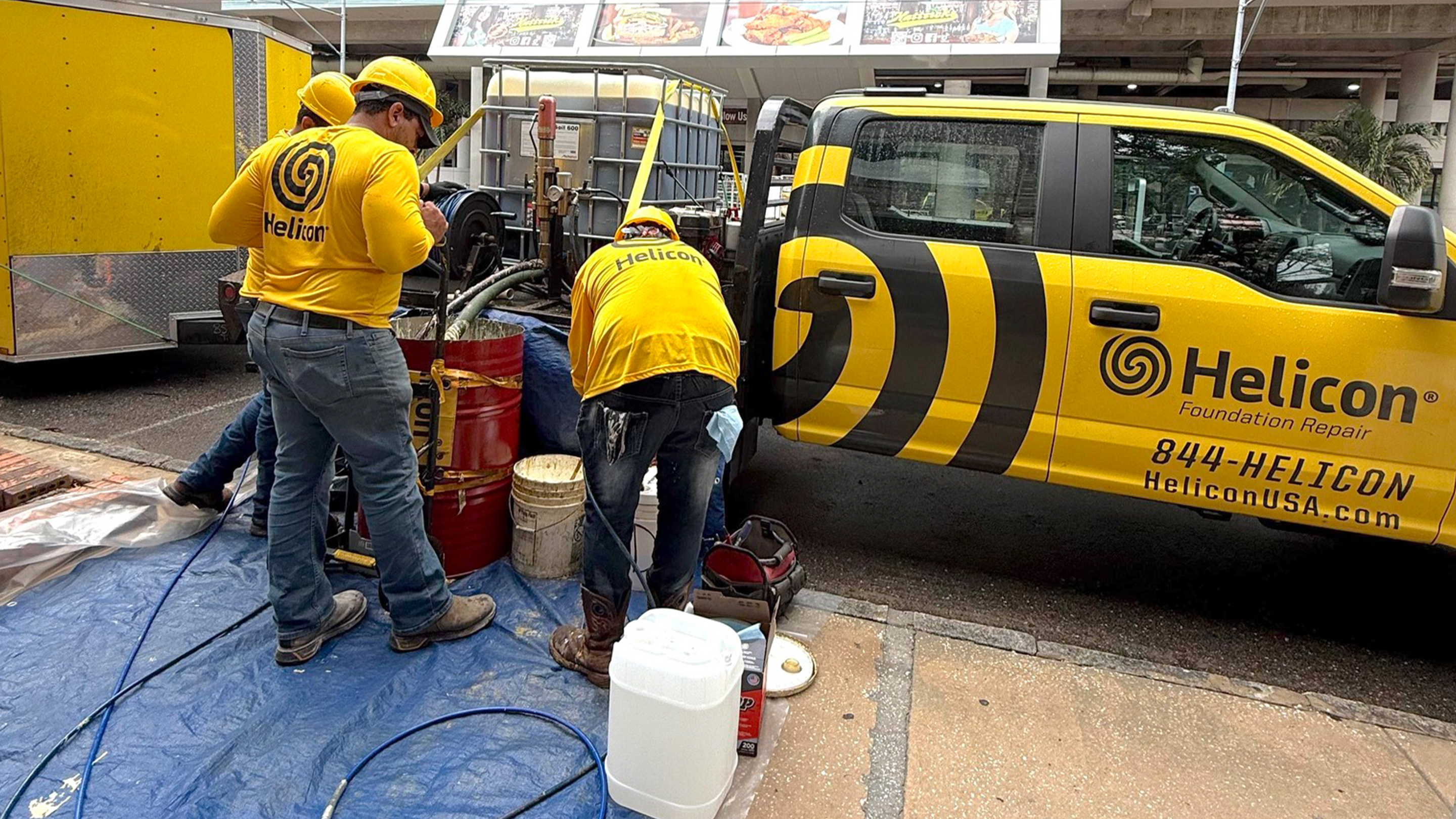
Slabjacking, also called mudjacking, raises sunken concrete slabs by injecting a material beneath them. It is commonly used for uneven floors, driveways, or patios caused by soil settling or erosion. The process pumps a mixture—usually a slurry of cement, sand, and water—underneath the concrete to lift it back to its original level.
Slabjacking is less invasive and usually more affordable than piering. This method is best for minor to medium problems, but may not be a permanent fix if soil conditions worsen. It also helps seal small cracks in the slab, preventing further damage.
Soil Stabilization Techniques
Soil stabilization improves the ground beneath your foundation to prevent future shifting or sinking. This is vital in areas like Florida, where soft, sandy soils are common. Techniques vary but often include injecting chemicals or adding materials to increase soil density.
This helps reduce erosion and stop sinkholes or uneven settling. Doing this work strengthens your foundation’s support naturally without any major construction. It’s often combined with piering or slabjacking to ensure lasting stability.
Choosing the Right Solution
Choosing the right foundation stabilization solution requires careful evaluation of your home’s unique needs. Key points include the importance of a professional assessment, the factors that influence the choice of method, and understanding the cost ranges for different repairs.
Assessment by Professionals
A professional inspection is the first step in choosing the right foundation stabilization. Experts assess the foundation type, soil conditions, and the severity of damage. They look for cracks, uneven floors, and any signs of shifting or settling.
This evaluation helps determine which repair methods will be effective and long-lasting. It also ensures safety and prevents minor issues from becoming costly problems. Early inspection provides a clear plan tailored to your home’s specific needs.
Factors Influencing Method Selection
Several factors affect the choice of foundation stabilization method. One of the biggest is soil type. For example, expansive clay soil demands different solutions than sandy or rocky soil.
Your foundation’s design matters too. Pier and beam foundations may need support with piers, while slab foundations might benefit from slab jacking or polyurethane foam injections. Severity of damage also guides the method.
Minor repairs might be solved with surface treatments, but deep or widespread cracks require underpinning or helical pier installation. Local climate and water conditions influence decisions, especially in Florida. Saltwater or fluctuating moisture levels affect soil stability.
Cost Considerations
Costs for foundation stabilization vary widely depending on the method and problem size. Minor repairs start around $2,000, while more extensive solutions like steel or helical piers can range from $7,000 to over $30,000.
It’s important to get detailed quotes from trusted providers who offer transparent pricing and explain what each method includes. Remember, cheaper, quick fixes may not last. Investing in proven, permanent solutions can save you money over time and protect your home’s value. Understanding these costs upfront helps you plan your budget wisely.
Foundation Repair Process
Fixing your home’s foundation involves careful steps to identify problems, carry out the needed repairs, and manage the timeline so you know what to expect. Each phase is important for ensuring your home becomes stable again and that the repairs last for years.
Inspection and Diagnosis
The process begins with a detailed inspection of your foundation and surrounding soil. Experts look for cracks, uneven floors, and signs of settling. They also assess the soil type, as weak or shifting soil often causes foundation problems.
This inspection may include measuring foundation movement and using tools to check soil stability. Accurate diagnosis helps determine the exact cause and severity of the damage. You will get a clear report showing the issues found and the best repair options tailored to your home.
Implementation Steps
Once you confirm there’s a problem, the repair begins with prep work. Usually, this means clearing out areas around the foundation and getting equipment ready. Common repairs involve installing piers, long steel rods driven deep into stable soil to support your foundation.
Other times, concrete lifting or soil stabilization methods come into play to strengthen weak ground. Each step aims to stop further movement and restore your foundation’s strength. Skilled teams do their best to limit disruption around your home and yard while they work.
Timeline and What to Expect
The repair timeline really depends on how bad the damage is and which repair method you need. Minor fixes might take just a few days, but more involved stabilization work can stretch out for a week or two, sometimes longer if weather or site conditions get in the way.
Expect some noise and equipment around while the work happens. Most contractors stick to a schedule and keep you updated, so you won’t be left in the dark about what’s next. After repairs, keep an eye on your foundation from time to time just to make sure everything stays stable. It’s not a bad idea to check in every so often.
Preventing Future Foundation Issues
Keeping your foundation healthy is ongoing work. You’ve got to manage water flow, plan landscaping with care, and inspect your foundation on a regular basis. These steps lower risks and can help protect your property’s value. It’s not glamorous, but it pays off.
Proper Drainage Maintenance
Water hanging around your foundation? That’s a recipe for shifting soil and cracks. Make sure gutters and downspouts send water at least five feet away from your house.
Clean them out often; clogs happen more than you’d think. Slope the ground so water naturally flows away, not toward your home. If you’ve still got drainage headaches, installing a French drain underground can help move water out fast.
It’s not cheap, but sometimes it’s the only way. Good drainage keeps moisture under control and helps the soil stay stable. That’s what you want if you’re trying to avoid future foundation drama.
Landscaping Best Practices
Trees and big shrubs planted too close can really mess with your foundation. Their roots suck up water and can dry out the soil underneath. Try to plant trees at least 15 to 20 feet from your house.
Pick species that aren’t known for aggressive roots, and your foundation will thank you. Keep plants trimmed and don’t let mulch pile up against your foundation walls, since that just traps moisture.
Gravel or hardscape near the foundation drains better than soil or grass, so that’s worth considering. Smart landscaping isn’t just for curb appeal—it actually helps protect your home’s structure.
Regular Inspection Routines
Every six months or so, walk around and check your foundation for new cracks, uneven floors, or doors and windows that suddenly stick. These are early warning signs. Watch for water pooling or erosion nearby.
Spotting small issues early can save you a fortune on repairs later. If you’re into gadgets, use a level or an app to track shifts over time. Keep notes! You’ll thank yourself if something changes and you need to show a pro.
Regular inspections let you catch problems before they snowball. It’s easy to put off, but it really does help.
Hiring Qualified Contractors
When you need foundation stabilization, picking the right contractor is everything. You want someone licensed, experienced, and honest. Asking good questions up front can help you dodge the usual headaches, and spotting warning signs early saves you time and money.
Credentials to Look For
First, check if the contractor has up-to-date licenses and insurance. That protects you if anything goes sideways during the project. Look for industry certifications or training that focus on foundation repair and soil stabilization.
Experience counts for a lot, so pick someone who’s handled local foundation work before, because Florida soils can be tricky. Ask for references and see past projects like yours if you can. Insurance, licenses, and experience are your first line of defense. A strong warranty policy is a must—don’t settle for less.
Questions to Ask During Selection
Ask how long they’ve been doing foundation repairs in your area. Does your project need special methods like helical piers or soil stabilization? Make sure they actually specialize in those.
Get detailed, written estimates with costs, timelines, materials, and warranty info. Clarify who’s handling permits or inspections so there are no surprises. Ask about communication—who’s your main contact, and how often will you get updates?
Good contractors answer questions quickly and handle cleanup after repairs. Don’t be afraid to push for clarity.
Red Flags and Warning Signs
Watch out for contractors offering rock-bottom bids with no details or a written contract. That’s usually trouble down the road. Skip anyone without a current license or insurance.
If someone pressures you to sign right away or dodges questions, that’s a huge red flag. Poor communication and vague answers about materials or methods can mean inexperience.
Read reviews to see if there are any complaints about missed deadlines, surprise charges, or shoddy work, and move on. Your home’s foundation isn’t the place for shortcuts—only trust those with a solid reputation and clear process.
Long-Term Benefits of Stabilization
Stabilizing your home’s foundation protects it from soil movement and settling. That means you can avoid cracks, uneven floors, and those expensive repairs nobody wants to deal with down the line. When you put money into stabilization, you’re really adding to your home’s safety and value—especially as the years go by.
Key benefits include:
- Increased foundation stability
- Reduction in structural damage
- Improved load-bearing capacity
- Better resistance to water and soil erosion
Soil stabilization also helps manage moisture levels around your foundation. This keeps the soil from swelling or shrinking, a surprisingly common culprit behind foundation headaches. If the soil stays stable, your foundation stands firm, no matter what the weather or ground conditions decide to do.
Proper foundation stabilization can also cut down on maintenance hassles. Your home stays structurally sound, and you won’t find yourself calling for repairs over and over. It just makes sense if you want to protect your property’s long-term integrity.
Protect Your Home With Lasting Stability
Cracks, sticking doors, and uneven floors are more than just annoyances. They are signs your foundation may need attention, and foundation stabilization for homes can help stop the damage from getting worse.
Helicon helps you understand what is happening under your home and which repair options are the best fit. Clear inspections and proven methods make it easier to move forward with confidence.
If you are seeing these warning signs, do not wait. Schedule a foundation inspection, review your options, and choose a repair plan that protects your home’s safety and long-term value.
Frequently Asked Questions About Foundation Stabilization For Homes
What is foundation stabilization for homes?
Foundation stabilization for homes is the process of stopping a foundation from sinking, shifting, or cracking further. It typically involves adding supports under the footing, lifting settled areas, or improving weak soil so your home rests on a solid base again.
How do I know if my home needs foundation stabilization?
Common warning signs include:
- Cracks in walls, ceilings, or floors
- Doors and windows that stick or do not latch
- Uneven or sloping floors
- Gaps between walls, trim, or countertops
- Noticeable settling on one side of the home
If you see more than one of these, a professional foundation inspection is a smart next step.
Is foundation stabilization a permanent fix?
Many foundation stabilization methods are designed to be long-term, especially piering and soil stabilization. However, future movement can still happen if drainage, soil moisture, or landscaping issues are not corrected.
The best results come from pairing structural repairs with good water management and regular inspections.
How much does foundation stabilization for homes usually cost?
Costs vary based on the size of the home, the cause of the problem, and the repair method used. Small cosmetic repairs may be a few thousand dollars, while deeper stabilization with piers or soil work can be more.
A detailed written estimate after an inspection is the only way to know what your specific project will cost.
How long does foundation stabilization take?
Minor repairs may be completed in a few days, depending on access and weather. Larger projects that involve installing many piers, lifting sections of the home, or stabilizing soil can take longer. Your contractor should explain the schedule before work begins so you know what to expect.
Can I wait to fix foundation problems if they seem minor?
Small signs of movement often get worse over time as soil shifts or moisture conditions change. Waiting can lead to larger cracks, more uneven floors, and higher repair costs later. Addressing issues early usually keeps the work simpler and helps protect your home’s value.
Will homeowners’ insurance cover foundation stabilization?
Standard homeowners’ policies often exclude damage caused by settling, shifting soil, or long-term wear. Coverage may apply only in specific situations, such as sudden events listed in your policy.
It is important to review your policy and speak with your insurance agent before assuming coverage.