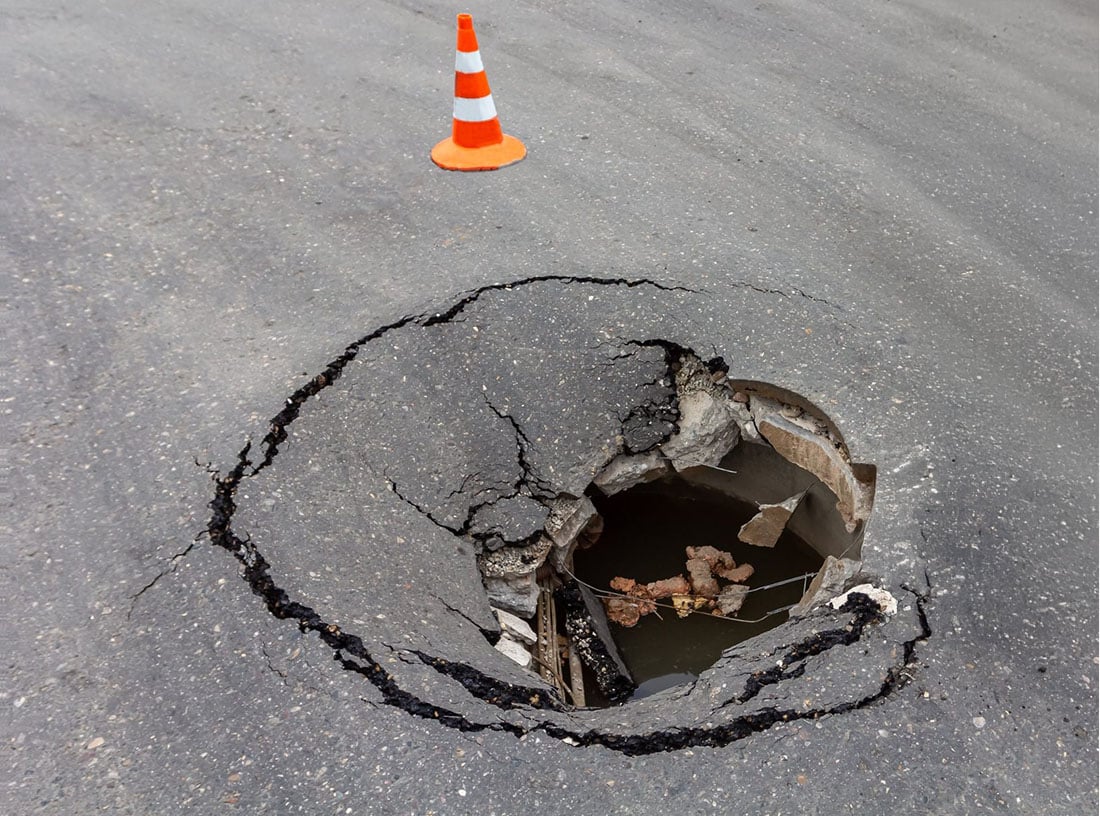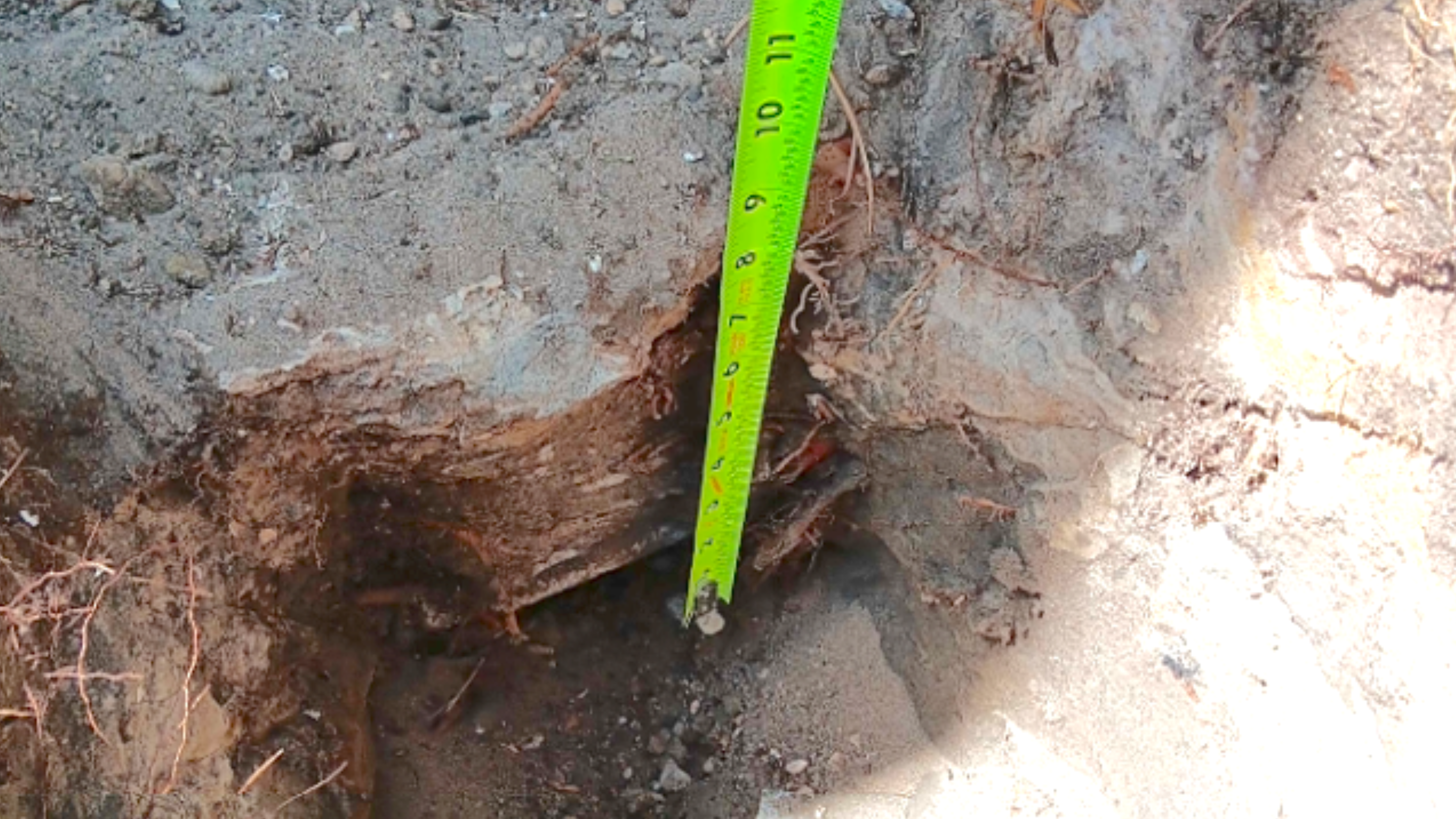
Water pooling around your home can quietly damage walls, flooring, and your foundation. Over time, trapped moisture leads to cracks, leaks, and costly structural repairs. French drain installation for foundation protection helps redirect water before it becomes a serious problem.
At Helicon, we often see how unmanaged drainage impacts long-term foundation performance. In Florida’s heavy rains, even small grading issues can allow water to collect where it should not. A properly installed French drain offers a practical, proven way to control that risk.
This guide explains how French drain systems work, when you may need one, and what the installation involves. You will learn how to spot warning signs and plan effectively. With the right approach, you can protect your foundation and avoid preventable damage.
Why Install a French Drain for Foundation Protection
A French drain system manages water before it can cause real damage. Water building up around your foundation can lead to basement flooding, structural issues, and repairs you’d rather avoid.
Preventing Water Damage
Water pooling at your foundation can seep into your basement and mess with your home’s structure. A French drain grabs this water through its pipe and gravel setup before it ever touches your foundation walls.
Without a good drainage plan, water finds those tiny cracks and openings. Over time, small leaks can grow into bigger headaches like flooding, mold, and crumbling walls.
Moisture can ruin your belongings and turn your basement into a musty mess. That’s not something you want to deal with. French drains capture both surface water and groundwater. The gravel trench lets water flow into the pipe, which then carries it away from your house to a safer spot.
Reducing Hydrostatic Pressure
When water soaks into the soil around your foundation, the weight builds up and pushes against your walls. This pressure can be surprisingly strong.
Saturated soil presses hard enough to crack foundation walls and floors. Once cracks start, more water gets in, making things even worse. French drain installation for foundation projects helps by pulling that water out before it can build up.
Key benefits of pressure reduction include:
- Less stress on foundation walls
- Fewer cracks and structural issues
- Lower risk of wall bowing or buckling
- Better long-term foundation stability
Extending Foundation Longevity
Your foundation stands a much better chance if it stays dry and avoids water-related stress. French drains act like a protective barrier, managing water year-round. Foundations that are always damp go through freeze-thaw cycles in cold weather. Water in cracks freezes, expands, and makes the damage worse. French drains help by keeping water away from your foundation in the first place.
A well-installed system can protect your home for decades. You avoid expensive repairs and help maintain your property value.
Assessing Your Property for French Drain Installation
Before you grab a shovel, you’ve got to figure out where water is causing problems and how it moves across your property. A little detective work up front saves a lot of hassle later.
Identifying Drainage Problems
Take a walk around your property after a heavy rain. Notice where water pools or lingers for hours.
Look for soggy grass patches, eroded soil channels, or water running toward your foundation instead of away. Check your basement for water stains, damp spots, or cracks. These can all mean water is collecting where it shouldn’t.
Pay attention to where your downspouts empty. If rainwater from your gutters dumps right by your foundation, you are inviting trouble. Also, watch for water flowing into your yard from neighboring properties or the street. Those spots might need extra attention.
Evaluating Soil and Landscape Grading
Your yard needs at least a gentle slope for a French drain to do its job. If the ground is flat or slopes toward your house, water will not move properly.
Use a string level or rent a laser level to check the grade around your foundation. Aim for a minimum slope of 1 inch drop for every 10 feet of pipe.
Dig a small hole and fill it with water. If it drains within 24 hours, you are in good shape. If you have heavy clay that holds water, you may need more gravel or a different drainage approach.
Determining the Optimal Drainage Path
Plan your trench to follow the natural flow from high to low spots on your property. Start at the trouble area and end where water can exit safely without creating new problems.
Find a discharge point at least 10 feet away from your foundation. This could be a street drain, dry well, ditch, or a natural low area.
Call 811 before you dig so underground utilities can be marked. It is a simple step that prevents costly mistakes. Mark your planned drain route with stakes and string. Try to avoid trees, utility lines, and areas where you may want to build or plant later.
Materials and Tools Needed for French Drains
Getting the right materials and tools is half the battle. The right pipe, gravel, and filter fabric work together to keep water moving and prevent clogs.
Selecting the Right Drain Pipe
You will want a perforated pipe, usually 4 inches in diameter, for most residential projects. PVC and corrugated plastic are the main options available.
PVC pipes are tough and resist crushing, though they cost a bit more. Corrugated plastic is flexible, easier to curve, and typically less expensive.
When installing the pipe, make sure the holes face down. That setup allows water to enter from below and helps reduce sediment buildup. Some pipes come with a fabric sock for extra filtration.
Choosing Gravel and Filter Fabric
Gravel forms the main drainage path around your pipe and keeps soil from blocking water flow. You will need larger stones for the base and smaller gravel for filtration.
Use ¾-inch to 1-inch crushed stone or drain rock around the pipe. Avoid smooth river rock. Angular stone locks together better and stays in place. Plan for enough gravel to fill the trench from the bottom up to about 3 to 4 inches below ground. Wrap the gravel with landscape filter fabric to keep out soil while allowing water to pass through. This step helps prevent clogs over time.
Essential Installation Tools
A trenching shovel or spade works for digging a narrow trench. For longer runs, renting a trenching machine can save time and effort.
You will need a level or laser level to maintain proper slope. A 1 percent slope, or 1 inch drop per 10 feet, is the minimum for gravity drainage.
Other helpful items include work gloves, a wheelbarrow for hauling gravel, scissors or a utility knife for cutting fabric, and a measuring tape. A tamper helps compact the trench bottom before installing materials.
Step-by-Step Guide to French Drain Installation
Installing a French drain around your foundation requires patience and attention to detail. Each step plays a role in making sure the system performs as intended.
Marking the Trench Location
Walk around your foundation and identify where water collects or flows toward your house. Look for standing water, erosion, or water stains on foundation walls.
Use spray paint or string with stakes to mark the trench route. Start at the problem area and slope away from your foundation toward a safe drainage point.
Keep your trench at least 3 feet from the foundation wall. This helps avoid undermining your home while still capturing water before it gets too close.
Digging Proper Trenches
Dig a trench about 18 to 24 inches deep and 12 inches wide. For smaller projects, a shovel works well. For larger installations, a mechanical trencher can make the job easier. Maintain a consistent slope of at least 1 inch drop for every 8 to 10 feet. Use a string line and level to confirm proper grading. Without the right slope, water may sit in the pipe instead of flowing out.
Place the removed soil on a tarp for easier backfilling later. Clear rocks, roots, and debris from the trench bottom so the pipe rests evenly.
Laying Pipe and Adding Gravel
Start with 2 to 3 inches of washed gravel in the bottom of the trench to create a stable base. Lay the perforated pipe on top with the holes facing down. Water rises through the gravel and enters the pipe from below.
Connect pipe sections securely with couplers. Cover the pipe with another 4 to 6 inches of gravel, leaving space near the top for fabric and soil.
Wrap the gravel and pipe assembly with landscape fabric. Overlap the edges by about 6 inches and secure them as needed to keep soil out.
Backfilling and Surface Restoration
Fill the remaining space with the soil you removed, slightly mounding it to allow for settling. Gently tamp the soil to remove air pockets.
If your lawn was disturbed, replace sod or spread grass seed. Water the area to help settle the soil and encourage growth.
For landscaped areas, consider topping with mulch, decorative rock, or fresh topsoil. Mark the location of your French drain installation for the foundation project on a property map for future reference.
Maintenance and Troubleshooting Tips for French Drains
French drains are mostly out of sight, but they still benefit from periodic inspection. A little attention each year helps ensure long-term performance.
Regular Inspection and Cleaning
Inspect your system at least twice a year, ideally in spring and fall. Look for standing water, soggy soil, or pooling near the foundation.
Check the drain outlet during rainfall to confirm water is flowing freely. Remove leaves, dirt, or debris that may block the exit point.
Flush the system every year or two using a garden hose at the cleanout or access point. If water backs up or drains slowly, there may be a clog that needs attention.
Addressing Clogs and Blockages
If drainage slows, start by flushing the pipe with a garden hose at full pressure. Let it run for several minutes to see if the flow improves.
For stubborn blockages, use a plumber’s snake or drain auger to break up debris. Insert and remove it carefully to avoid pipe damage.
Avoid chemical drain cleaners. They are not effective for this application and can harm the pipe or the surrounding soil. If problems continue, a professional inspection may be necessary.
Preventing Common French Drain Issues
Keep gutters and downspouts clean so debris does not enter the drainage system. Gutter guards can reduce the amount of leaves that reach the drain.
Avoid driving or parking heavy vehicles over the trench area. Excess weight can crush the pipe or compact the gravel. Do not plant trees or large shrubs within 10 feet of the drain line. Roots are naturally drawn to moisture and can interfere with the pipe over time.
Maintain proper grading around the drain to ensure water flows toward it. After major storms or landscaping changes, verify that the slope continues to direct water as intended.
Protect Your Foundation with Smart Drainage
French drain installation for foundation protection is a practical way to manage water and reduce the risk of structural damage. By identifying drainage issues, selecting the right materials, and following proper installation steps, you can create a system that works reliably for years.
If the project feels overwhelming or your property presents complex challenges, professional guidance can make a difference. At Helicon, we understand how proper drainage supports long-term foundation performance and overall home stability.
If you are ready to take the next step, schedule an inspection or request an estimate to determine whether a French drain is the right solution for your foundation.
Frequently Asked Questions
How Do I Know If I Need French Drain Installation for Foundation Protection?
Common signs include standing water near your foundation, damp basement walls, or recurring musty odors. You may also notice cracks in foundation walls or water stains after heavy rain. If water consistently pools around your home, a drainage solution may be necessary. A professional evaluation can confirm whether a French drain is the right approach.
How Deep Should a French Drain Be Installed Around a Foundation?
Most residential systems are installed 18 to 24 inches deep. The exact depth depends on soil type, grading, and how water moves across your property. The trench must also maintain a proper slope to allow gravity drainage. Correct depth and slope are key to long-term performance.
How Long Does French Drain Installation for Foundation Projects Take?
Many projects can be completed within one to three days. The timeline depends on the length of the trench and site conditions. Obstacles such as tree roots, utility lines, or difficult soil can extend the process. Proper planning helps keep the project efficient.
How Long Does a French Drain System Last?
A well-installed French drain can last several decades. Longevity depends on the materials used, soil conditions, and maintenance. Using quality gravel and filter fabric helps reduce clogging. Periodic inspections support long-term reliability.
Can I Install a French Drain Myself?
Some homeowners choose to handle installation if the project is straightforward. This requires careful grading, proper materials, and attention to detail. For complex drainage issues or larger properties, professional installation may be recommended. Proper design ensures the system performs as intended.