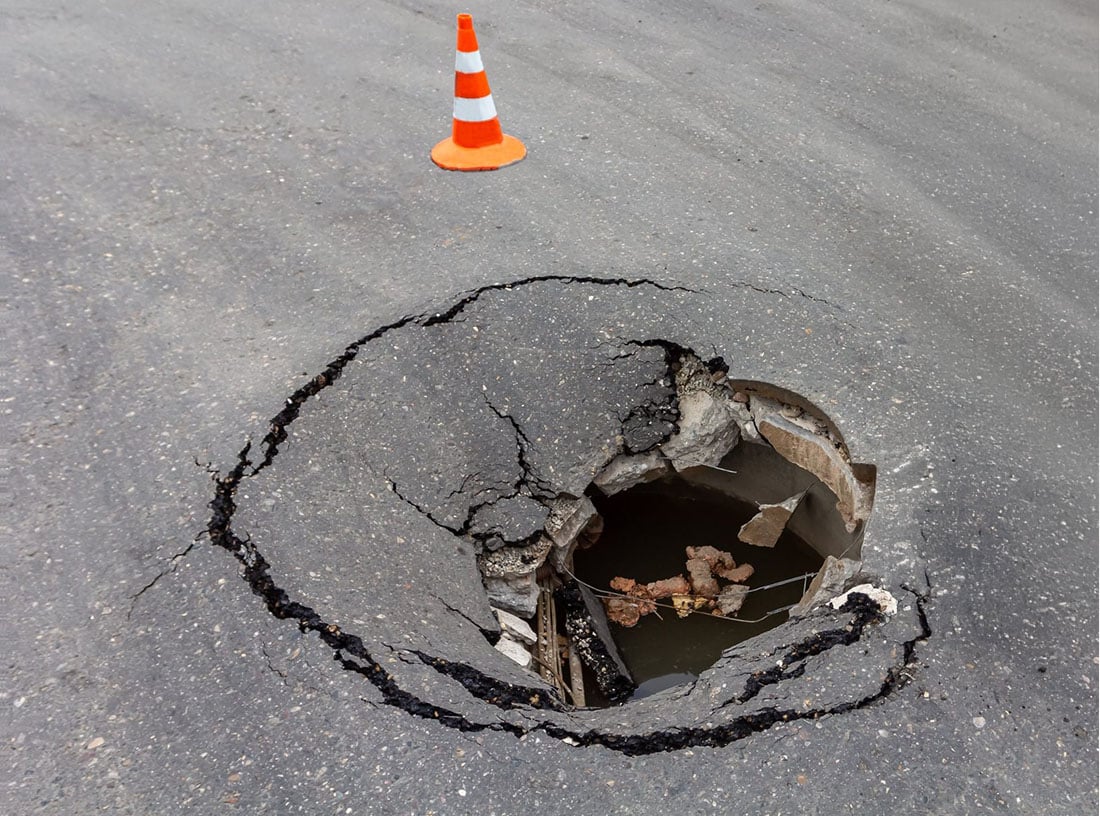
Cracked driveways, uneven patios, and sinking walkways are more than cosmetic issues. They create trip hazards, hurt curb appeal, and make homeowners worry about bigger foundation problems. Many people search for residential concrete leveling experts because they want a reliable fix without tearing everything out.
At Helicon, we see how frustrating it is when concrete shifts and settles around a home. Florida soil, water movement, and time all play a role, but that doesn’t mean replacement is the only answer. Modern concrete leveling offers a faster, cleaner way to restore safety and stability.
This guide explains how residential concrete leveling works, when it makes sense, and how experts approach the repair. You’ll learn the warning signs to watch for, the methods used, and how to choose the right professionals with confidence.
What Is Residential Concrete Leveling?
Concrete leveling is a smart way to fix sunken or uneven concrete around your house. It brings back flat, safe surfaces and makes them look a whole lot better.
You’ll get a sense of how it works, the methods involved, and the spots in your home that usually need attention.
The goal is to fix the concrete without ripping it out and pouring new stuff. That means less hassle, less cash, and way less stress. Plus, nice even concrete just looks better and helps keep your home solid.
Common Techniques Used
Most often, crews inject high-density polyurethane foam under the slab. The foam expands, pushing the concrete back up where it belongs.
This method is quick, tidy, and doesn’t mess up your property. Old-school mudjacking uses a heavier, wet mix and can be clunky and less accurate. Poly foam is lighter, tougher, and shrugs off water, so your fix holds up longer.
Typical Problem Areas in Homes
Concrete leveling usually comes into play where there’s a lot of foot traffic or shifting soil. Typical trouble spots?
- Driveways
- Sidewalks
- Patios
- Garage floors
- Basement slabs
These areas settle for all kinds of reasons: erosion, tree roots, or just wild weather swings. Tackling the problem early can save you a headache later and keep your place safer.
Why Trust Concrete Leveling Experts?
When you bring in professionals, you’re not just getting a patch job. You’re getting real expertise, attention to safety, and a fix that lasts. These folks know how to handle the weird stuff and protect your home, so you don’t have to worry about it.
Advantages of Professional Service
Going with experts means you get precise, long-lasting results. They use advanced tools like polyurethane foam, which is faster, cleaner, and a lot less disruptive than old mudjacking.
They actually check out the problem before they start, so you don’t pay for stuff you don’t need. Plus, they’re careful around your property, so you don’t end up with extra damage. Fixing instead of replacing keeps more value in your home, too.
Certifications and Training
These pros have the right certifications and training to meet industry standards. They’re up-to-date on the latest tools and safety rules, so you know your repair meets local codes and uses the best methods.
They can spot hidden issues under the surface, which helps stop future problems. Proper training usually means it’s done right the first time; no need for do-overs.
How Experts Ensure Safety
Safety is always at the top of the list for these crews. They use gear that keeps dust and debris under control, so your family isn’t breathing in junk while they work.
They check for tricky stuff like buried utilities or unstable ground before they start. By sticking to strict safety protocols, they keep accidents and property damage to a minimum. You get peace of mind knowing your home and loved ones are in good hands.
How to Tell If Your Home Needs Concrete Leveling
Notice uneven spots, cracks, or doors and windows that just won’t shut right? These are classic signs your slab or foundation needs some love to keep your place safe and steady.
Visible Cracks and Uneven Surfaces
If you spot cracks in your driveway, walkway, or patio, something’s up. Those cracks can spread as the ground shifts underneath.
Uneven or sloping surfaces can trip you up and just make things look tired. Small cracks might not seem like much at first, but they’ll get worse if you ignore them. Water pooling on uneven slabs can even mess with your home’s structure over time.
Sunken Driveways and Walkways
Sunken driveways and sidewalks are all too common. If the soil under your concrete settles or washes away, the slab can dip or sag. You’ll probably notice low spots or a weird “spongy” feel when you walk on them.
Besides looking rough, these dips are safety hazards for your family and guests. Water might pool where it shouldn’t, and you might even notice bumps or sudden drops. A pro can lift those slabs back up without the need to rip everything out.
Problems with Doors and Windows
Doors or windows that stick, jam, or just won’t close right? That’s often a sign that your foundation or concrete is shifting. As concrete moves, it messes with the way your walls and frames line up.
You might see gaps or feel drafts, or hear things creak and rattle. Fixing the concrete can get things back in line and help prevent more headaches down the road.
The Concrete Leveling Process—What Really Happens?
Getting your concrete level again isn’t magic; it’s a series of careful steps to put things back where they belong. It starts with a thorough assessment and prep work. The team picks the right method for your situation, then checks everything over at the end.
Site Assessment
First, a pro inspects your concrete. They look for cracks, uneven spots, and signs of sinking. They try to figure out if it’s soil erosion, bad installation, or water damage causing the trouble.
They measure how much the slab has shifted and talk you through the options. You’ll get a clear idea of what’s wrong and what needs to happen next. Documenting the site up front also helps set expectations and protect your property.
Preparation and Setup
Once they’ve checked things out, the crew gets the area ready. They clear off dirt and debris and might drill small holes in the slab where they’ll inject leveling material.
These holes give access for the foam or grout that lifts the concrete. Prepping everything right means less risk of damage and a smoother job overall.
The team also checks the landscaping and utility lines nearby to avoid any surprises. Good prep work really does make a difference.
Leveling Methods
Concrete lifting usually happens in one of three ways:
| Method | Description | Best for |
| Polyurethane Foam | Foam is injected under the slab, expands, and lifts it up. | Fast, clean, and durable fixes. |
| Mudjacking | A slurry of cement and soil is pumped underneath to push the slab up. | Heavier slabs or bigger repairs. |
| Stone Slurry Grout | Fine stones and grout mix together to lift the concrete evenly. | Soil that needs extra support. |
Your contractor picks the method that matches your slab’s needs and your budget. Each technique works by lifting from below and putting things back in place.
Post-Leveling Inspection
After the slab is lifted, the crew checks everything again. They look for new cracks or gaps and make sure the repair will hold up.
They seal up the holes they drilled and tidy up the area. You’ll get some tips on keeping your concrete in good shape for the long haul. Once they’re done, you’re left with safe, level concrete you don’t have to worry about.
Top Concrete Leveling Methods for Homeowners
If your concrete is sinking or uneven, you’ve got a few solid options to fix it. Each method focuses on lifting and stabilizing the slab, depending on what your home needs.
Mudjacking
Mudjacking involves pumping a mix of water, soil, and cement under the slab. This fills gaps and slowly pushes the concrete back up.
It’s affordable and works for many homes, especially when settling is minor. Mudjacking is best for smaller problem spots—if the area is really bad, it might not be enough.
The process means drilling a few holes, which get patched up later. The job usually wraps up in a few hours. Just keep an eye on it, as mudjacking can sometimes settle again over time.
Polyurethane Foam Injection
This newer method uses high-density polyurethane foam to lift and stabilize slabs. The foam goes in through tiny holes and expands under the concrete.
It’s lightweight, strong, and doesn’t add pressure to the soil. That makes it perfect for spots with weak or shifting ground.
The foam sets up fast, so you can use your driveway or patio pretty much right away. It also stands up to water better than mudjacking and usually lasts longer. The upfront cost is a bit higher, but it’s often worth it for the durability.
Self-Leveling Compounds
Self-leveling compounds are pourable materials that smooth out uneven concrete surfaces. You’ll mostly see these used indoors or on slightly sloped floors.
They spread out easily and harden up fast, filling in low spots and cracks. It’s a quick way to get a flat surface without lifting the slab itself.
This isn’t the fix for major sinking or structural issues, but it’s great for garage floors or basements that just need a little smoothing out.
Concrete Leveling vs. Replacement: Which Fix Is Right for You?
Got sunken or uneven concrete? You’re probably weighing your options—what fits your budget, your timeline, and how long you want it to last. Both concrete leveling and replacement can solve the problem, but they’re very different beasts when it comes to cost, hassle, and results.
The Real Cost Breakdown
Concrete leveling is almost always cheaper than a full replacement. You’re looking at 30% to 50% less out of pocket, mostly because you’re not paying for demolition or hauling away a bunch of busted-up concrete. That saves you on disposal and heavy machinery, too.
Replacement, on the other hand, racks up expenses fast. There’s new concrete, more labor, and all the extra time adds up. If your slab is still solid—not crumbling to dust—leveling is usually the better financial move.
But if your concrete’s falling apart, sometimes you just have to start over. Replacement makes sense when the slab’s too far gone to rescue.
How Much Will Your Life Be Disrupted?
Leveling is way faster and less messy. Crews use small gear and inject polyurethane foam, lifting your slab in just a few hours. Most people can use the area again the same day.
Replacement? That’s a whole ordeal. Breaking up and hauling off old concrete can drag on for days, even weeks, depending on the size. It’s noisy, dusty, and your place might look like a construction zone for a while.
Which Lasts Longer?
Replacement gives you a brand-new slab that should take whatever you throw at it—cars, storms, you name it. But it’s a lot of work and money up front.
Leveling, when done right, puts your slab back where it belongs and keeps it from sinking again. It won’t fix concrete that’s already cracked to pieces, but for slabs in decent shape, it’s a sturdy, lasting fix.
If your slab’s still got its integrity, leveling is less hassle for solid results. But for slabs that are really trashed, replacement is the safer bet, even if it stings a bit.
Picking the Right Concrete Leveling Pros: What Actually Matters?
Finding good help isn’t always easy. Ask the right questions, read honest reviews, and make sure they back up their work with real warranties and insurance. It’s not rocket science, but it does take a little legwork.
What Should You Ask?
Start simple: How much experience do they have with residential concrete lifting? Have they worked in your neighborhood before? People who know the local soil and typical foundation headaches are usually a safer bet.
Ask about their methods. Polyurethane foam lifting is popular for a reason—it’s quick and doesn’t tear up your yard. Also, do they offer a free inspection and a written estimate? That’s just basic professionalism.
Make sure they walk you through the process and timeline. You want a team that keeps you in the loop, not one that goes silent once you sign the contract.
How to Read Reviews Like a Pro
Don’t just skim the stars; read the actual comments on Google or the BBB. Look for notes on professionalism, punctuality, and whether the job got done right.
Check for recent reviews about residential work. If you see a pattern of happy customers, that’s great. But also, see how the company handles complaints. If they respond and try to fix things, that’s a good sign.
Want extra peace of mind? Ask for references and actually call them. It’s worth it for a big investment.
Warranties and Insurance: Don’t Skip This
Always, always check for a warranty. If something goes wrong after the job, you want coverage.
Confirm they have liability insurance and workers’ comp. This protects you if something goes sideways during the project. Ask for proof up front. If they dodge the question, that’s a red flag; move on.
Concrete Leveling at Home: Where Does It Help Most?
Uneven concrete isn’t just ugly, it’s dangerous. Leveling lifts and stabilizes sunken slabs, which helps protect your property value and can save you from bigger headaches down the line.
Driveways
Driveways take a beating from cars, weather, and shifting ground. When they sink or crack, it’s not just an eyesore—it’s a safety risk. Leveling brings your driveway back up to where it should be.
This approach is quicker and less disruptive than replacing the whole thing. It fills gaps underneath, stopping further sinking. Plus, you get a smoother, safer surface that’s easier on your car and your feet.
It’s also a curb appeal boost, which comes in handy if you’re thinking about selling or refinancing.
Patios and Walkways
Sunken patios and walkways are trip hazards and just plain annoying. Leveling is a smart fix that doesn’t destroy your existing slab. Small injection holes do the trick, lifting everything evenly beneath the surface.
You won’t have to replant your landscaping or deal with a muddy mess. It also keeps water from pooling, which means less chance for weeds or further damage.
A level patio or walkway means you actually want to spend time outside. It’s safer and helps prevent future foundation problems near your house.
Basement Floors
Basement slabs settle or crack thanks to shifting soil and moisture. That can mess with your home’s structure and make the space less usable. Leveling brings the floor back up without a massive construction project.
Polyurethane foam makes this process quick and not too invasive. It fills gaps, boosts stability, and helps keep water out. Your foundation stays stronger, which is always a win.
Level basement floors are safer and more comfortable for storage or finishing. Plus, less chance of mold or damage from uneven settling.
Keeping Your Leveled Concrete in Good Shape
After your concrete’s been lifted, a little care goes a long way. Paying attention to maintenance and weather can protect your investment and help you avoid future headaches.
Simple Maintenance Tips
Sweep away leaves and dirt, and wash the surface with mild soap and water. Skip harsh chemicals; they’ll just wear down the concrete faster.
Check for small cracks or chips every so often. Fixing them early is way easier than waiting. Use a patch or sealant meant for outdoor use.
Don’t park heavy vehicles or equipment on your newly leveled slab for at least 24-48 hours. Also, make sure water drains away from the area—standing water is the enemy.
Weather and Your Concrete
The Florida sun can make concrete expand and contract. If you can, give it some shade or keep the soil around it moist during dry spells. That helps prevent cracking.
Heavy rain can wash out the soil underneath, so after storms, check for new uneven spots. If something looks off, call your expert for a quick check.
Frost isn’t common here, but if it does get cold, keep an eye out for new cracks. Patch them before they get worse—nobody wants a tiny problem turning into a big one. More tips on that here.
What’s Next for Concrete Leveling? New Tech Ahead
Concrete leveling is getting a tech upgrade. Smart sensors and laser-guided machines help crews measure uneven spots with crazy accuracy. That means better results and less guesswork.
Polyurethane foam is now the go-to—it’s lightweight, sets fast, and doesn’t need heavy equipment. It’s also easier on the environment, since it uses less material and cuts down on waste.
Soon, laser leveling tools will get even smarter. Smaller, more energy-efficient, and able to handle more tasks at once, contractors will get jobs done faster and with less mess.
Here’s a quick look at what’s coming for your concrete fixes:
| Technology | Benefit | Impact for You |
| Smart Sensors | Precise leveling measurements | Less guesswork, more accuracy |
| Polyurethane Foam | Quick drying, light material | Fast repair with less mess |
| Laser-Level Machines | High precision & energy saving | Efficient work with better results |
| 3D Printing | Custom concrete solutions | Tailored fixes for your home |
All this new tech means your concrete headaches will get fixed faster, with less hassle, and you’ll get results that last. Not a bad deal.
A Smarter Way To Fix Uneven Concrete
Uneven concrete creates safety risks, hurts curb appeal, and adds stress for homeowners. Residential concrete leveling corrects sinking slabs without the cost, noise, and disruption of full replacement. When done properly, it restores stability and peace of mind.
At Helicon, the focus is on practical solutions that fit the condition of your concrete and the realities of Florida soil. Experienced evaluation and modern leveling methods help address the real cause of settlement, not just the surface symptoms.
If your driveway, patio, or walkway feels uneven or unsafe, now is the right time to act. Schedule a professional inspection and get clear answers on whether concrete leveling is the right solution for your home.
Frequently Asked Questions
How much does it usually cost to level concrete in residential areas?
Leveling is typically about half the price of replacing your slab. The exact cost depends on the area’s size and how much it needs to be raised. Most jobs are pretty affordable compared to ripping everything out.
What are the signs that I need to consider leveling my home’s concrete?
If you notice uneven spots, cracks, or sinking in your driveway, patio, or walkway, it might be time. Pool decks and sidewalks that collect water or look crooked are also red flags. These issues can mess with safety and curb appeal.
How do I find reputable concrete leveling experts in my vicinity?
Start with local reviews and ratings. Ask neighbors or friends for recommendations. Make sure the company has real experience with residential leveling and a history of happy customers.
What are the benefits of leveling concrete compared to replacing it?
Leveling is quicker and less invasive. Your existing concrete stays put, which saves money and keeps the mess to a minimum. Plus, you’re back to normal use way sooner.
Can you share some tips on how to select the best concrete leveling company?
Look for companies that give you a clear inspection and explain their process. Good communication and upfront pricing are must-haves. If they use modern methods like polyurethane foam, that’s a plus for long-lasting results.
How Can You Tell If a Concrete Leveling Pro Is Actually Good?
Ask for before and after photos from jobs they’ve handled. Pictures don’t lie, and most pros who’ve done solid work are happy to show them off.
Get a few references and talk to past clients—real feedback speaks volumes. Also, see if they offer any kind of warranty; anyone confident in their work will usually back it up.