Foundation cracks, sticking doors, or sloping floors can be stressful, and it is hard to know who to trust. When you are figuring out how to choose a foundation contractor, the worry about making an expensive mistake can feel just as heavy as the damage itself.
That is where a proven, local expert like Helicon can make a real difference. The right contractor explains what is happening under your home, lays out clear options, and helps you understand the true urgency of the problem instead of pushing you into rushed decisions.
In this guide, you will learn what to look for in a contractor, which red flags to avoid, and how to compare quotes with confidence. By the end, you will be ready to choose a foundation contractor who protects both your home and your peace of mind.
What Foundation Contractors Do And Why It Matters
A foundation contractor specializes in building, repairing, and maintaining the base that supports your home. They inspect foundations to find issues like cracks or sinking. They offer solutions to keep your home stable and safe. This might mean fixing cracks, leveling a sloped floor, or reinforcing weak soil under your house.
Contractors often use specialty equipment like helical piers or chemical grout. You want someone who brings experience, clear communication, and dependable results to the table. Their work protects your property’s value and, honestly, your peace of mind over time.
Types of Foundation Services
Foundation services can cover a lot of ground, depending on what’s wrong. A few of the most common include:
- Foundation Repair: Fixes cracks, settles uneven floors, and strengthens failing foundation parts.
- Concrete Lifting: Uses foam injection to raise sinking slabs like driveways or pool decks—no need to tear up all that concrete.
- Soil Stabilization: Improves weak soil under your home, which is pretty crucial in Florida, to prevent future sinking or shifting.
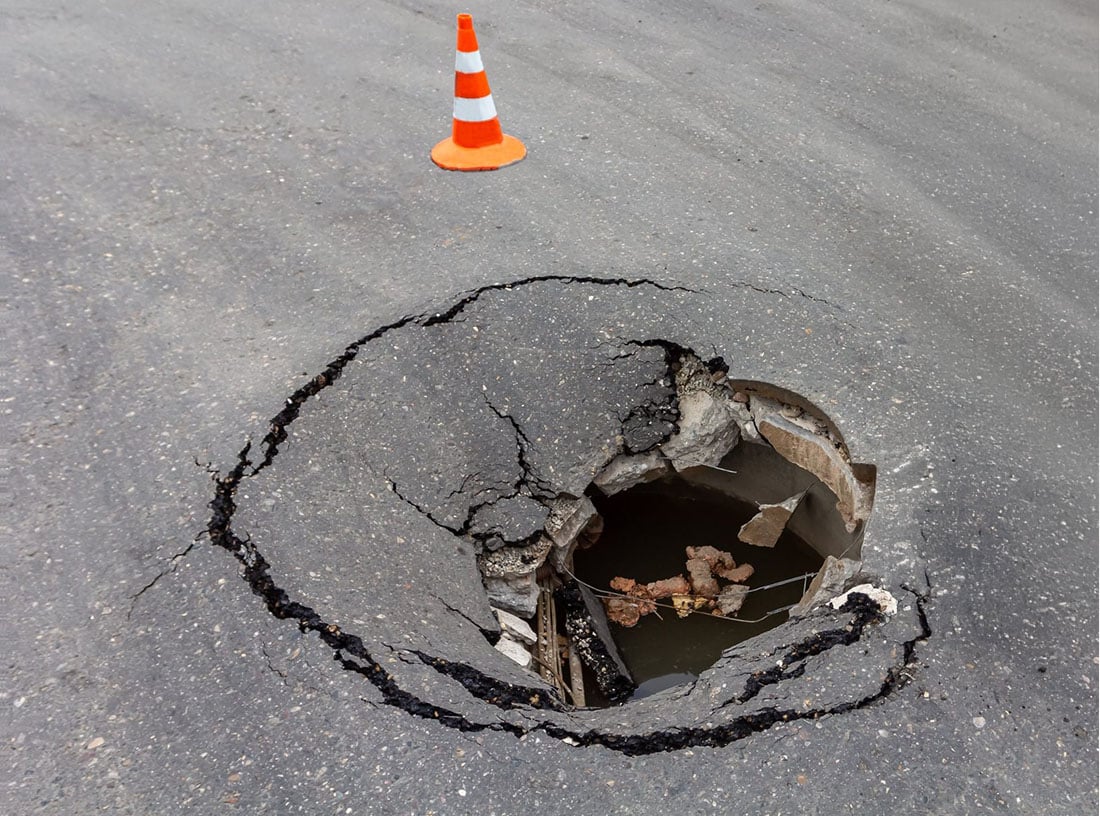
- Sinkhole Repair: Uses compaction and chemical grout to fill dangerous holes naturally found in some areas.
- Seawall Repair: Strengthens walls along water edges to prevent erosion and damage.
- Pool Foundation Stabilization: Installs support piers to keep pool foundations from moving.
Each service targets a specific problem. Picking a contractor who knows the right solution really does matter for lasting results.
Common Foundation Problems
You might face several foundation issues as a homeowner. Some common problems are:
- Cracks in walls or floors: These indicate shifting or settling, needing timely repair to avoid bigger damage.
- Sloping or uneven floors: Can be a sign that your foundation is sinking or not supported evenly.
- Doors and windows that stick or don’t close properly: This happens when the frame shifts with foundation movement.
- Basement water leaks: May point to foundation cracks or poor drainage around your home.
- Gaps between walls and ceilings or floors: This shows structural movement and possible foundation failure.
Knowing these signs helps you act early. A skilled foundation contractor can diagnose the problem and recommend the right repair to keep your home stable.
Identifying Your Foundation Needs
Before you settle on a contractor, take some time to understand your property’s condition. Spotting foundation problems early and figuring out how big the repair job will be can save you a lot of headaches—and money.
Evaluating Your Property
Start with the basics: your property’s age, soil type, and water drainage. Older homes or those on sandy or clay soils may have more foundation risks. Check if there have been recent changes like new landscaping or nearby construction. These can affect soil stability, sometimes in ways you wouldn’t expect.
Consider the layout and structure. A multi-level home might need different foundation work than a single-story house. If you’ve had foundation fixes before, make sure the current issues aren’t leftovers from past repairs.
Keep a simple list of known facts about your home to share with your contractor. It gives them a clear starting point and helps them decide on the right inspection and repair plan.
Recognizing Signs of Foundation Issues
Watch for visible clues like cracks in walls, floors, or ceilings. Horizontal cracks often spell bigger trouble than vertical ones. Doors and windows that stick or don’t close properly can mean the foundation is shifting. Also, check for sloping or uneven floors.
Gaps between walls and floors or exterior walls pulling away from the house are other warning signs. Outside, look at your foundation for cracks or water pooling near the base. Make notes or snap a few photos of these issues to show your contractor. Early detection usually means simpler repairs and less damage.
Determining Project Scope
Once you know the signs and your property’s details, figure out how much work is needed. Is it just a small crack, or does the whole thing need stabilization?
You might need solutions like Helical Pier Systems for sinking spots or Concrete Lifting for settling slabs. Talk to your contractor about the methods they suggest.
A good contractor will offer options based on your home’s unique needs, not just one-size-fits-all fixes. Ask about warranties and how long repairs should last. Understanding the scope helps you plan your budget and timeline. It also keeps your project on track from start to finish.
Researching Potential Contractors
When you need foundation work done, finding local experts who know your soil and weather is a smart move. You’ll also want to check their licenses and qualifications. And, nothing beats reading honest reviews from past customers.
Finding Local Foundation Experts
Start by looking for foundation contractors who work in your area. Local experts understand Florida’s unique soil challenges, like sinkholes and weak ground. You can search online, ask neighbors, or get recommendations from home improvement stores. Choosing a nearby contractor means faster service and better knowledge of permits or regulations in your city.
Focus on companies with several years of experience in foundation repair, especially if they handle common Florida problems like soil stabilization or seawall repair. Local contractors often provide more reliable, long-lasting solutions because they know exactly what your foundation needs.
Checking Qualifications and Licensing
Verify that your contractor has the proper licenses to work in foundation repair and related services. Licensing proves they meet industry standards and can legally perform foundation repairs. Also, make sure they carry insurance for accidents or property damage. This protects you if something goes wrong during the job.
Look for certifications or professional memberships. Contractors who invest in training often provide higher-quality workmanship and up-to-date repair methods. Ask to see their credentials before signing any contracts. A licensed and insured contractor is your best bet for safe, dependable foundation work.
Reading Reviews and Testimonials
Check online reviews on Google, Yelp, and the Better Business Bureau to learn about others’ experiences. Look for patterns in feedback about communication, quality, and timeliness. Positive reviews mentioning completed repairs, clear pricing, and follow-up service can boost your confidence.
Beware of many negative or unverified reviews, as they might signal issues with the contractor.
You can also ask the contractor for references or examples of past jobs. Talking to former clients directly lets you hear about their satisfaction and challenges firsthand.
Choosing a contractor with strong, transparent feedback helps ensure your foundation repairs meet your expectations.
Requesting and Comparing Quotes
When you reach out for quotes, focus on getting clear, detailed estimates that show what work will be done and at what cost. Pay attention to the services each contractor includes and understand what affects the price. This will help you choose the best option for your foundation project.
Collecting Detailed Estimates
Ask each contractor for a written estimate that breaks down all costs. This should include materials, labor, permits, and any other fees. Avoid vague quotes like “around $5,000” and request specifics instead. Make sure the estimate covers the exact work your foundation needs, such as repair type or soil stabilization.
A detailed estimate shows professionalism and helps you avoid surprises later. Getting multiple estimates from trusted contractors allows you to compare not just price but what each includes.
Comparing Services Included
Look beyond the price and check what services come with the estimate. Does it include an inspection before starting? Are follow-up visits or warranties part of the offering? Some contractors might add soil testing, drainage solutions, or concrete lifting in their quotes, while others do not.
Compare these carefully. Here’s a quick checklist for services you should clarify with each quote:
- Inspection and evaluation
- Foundation repair method specified
- Materials used (steel piers, polyurethane foam, etc.)
- Timeline for completion
- Post-repair warranty and support
This helps you see which contractor offers the best value, not just the lowest price.
Understanding Cost Factors
Prices vary due to several factors, such as how severe the damage is, soil conditions, and the type of foundation. Areas with soft or shifting soils might require more complex solutions, pushing costs higher.
Other cost drivers to watch for include:
- Type and quality of materials
- Labor hours needed
- Equipment used
- Any permits or local fees
Understanding what moves the price helps you avoid low bids that might cut corners. It also keeps your budget realistic based on your home’s needs. If you see a wide range in quotes, ask contractors to explain why. This transparency helps you pick a trustworthy professional who values quality and safety.
Assessing Contractor Experience
Picking a contractor with strong experience is key if you want your foundation repair done right. You’ll want to see proof of their past work and get a sense of the skills they bring to the project.
Reviewing Past Projects
Look closely at the contractor’s past projects. Ask for examples that are similar to your foundation issue. Seeing photos or visiting previous job sites can help you check the quality of their work. Check how long they have been working on foundation repairs.
A company with many years of experience usually knows how to handle different problems. Also, read customer reviews and testimonials to learn if past clients were satisfied.
Evaluating Technical Skills
Technical skills matter a lot when you’re picking a contractor to fix your foundation. Try to find out if they use modern equipment and proven methods, like helical pier systems or polyurethane foam for concrete lifting.
Ask if their team is licensed and trained specifically for foundation repairs. Good contractors keep up with industry standards and safety rules to protect your home and property.
It’s smart to ask about warranties or guarantees, too. That shows they stand behind their work, and it helps you sleep better at night.
Checking Credentials and Insurance
Before you hire anyone, double-check their qualifications and insurance. Make sure they’re licensed for your area and carry insurance that covers accidents or damages during the job.
Verifying Licenses
A valid license means the contractor meets local rules and industry standards. Always ask for their license number and cross-check it with your state’s licensing board or online database.
See if the license matches the type of work you need, like foundation repair or concrete lifting. Licensed contractors tend to follow safety regulations and deliver better results.
If a contractor can’t provide a license or uses one from another state, be careful. That’s usually a red flag for inexperience or not following local laws.
Confirming Insurance Coverage
Insurance protects you if workers get hurt or your property is damaged. Ask for proof of insurance, especially general liability and workers’ compensation coverage. General liability covers property damage or accidents, while workers’ comp helps injured workers. If they don’t have these, you could end up with the bill if something goes wrong.
Check that the insurance is current and covers the whole project. You might want to ask to be listed as a certificate holder on their policy, just for extra peace of mind.
Meeting and Interviewing Contractors
Sitting down with contractors lets you see how they work and how well they communicate. It’s also your chance to figure out if they have the right experience for your project.
Preparing the Right Questions
Before the meeting, jot down a list of important questions. Ask about their experience in foundation repair, if they’re licensed and insured, what materials they use, and which methods they recommend.
Here are a few you shouldn’t skip:
- How long have you worked in foundation repair?
- Are you licensed and insured in Florida?
- What materials and techniques do you use for repairs?
- Do you offer warranties?
- Can you provide references or past project examples?
Having specific questions keeps things on track and helps you compare contractors more easily.
Assessing Communication Skills
Notice how the contractor answers your questions. Good communication really matters for a smooth project. A solid contractor will explain their process in everyday language and listen to your concerns.
Look for these signs:
- They answer questions fully, not just with vague promises.
- They use plain language, not just technical jargon.
- They’re open about timelines, costs, and possible bumps in the road.
- They’re respectful and professional, even if you ask tough questions.
When communication feels easy, you’re more likely to trust them with your home.
Reviewing Contracts and Warranties
When it’s time for repairs, take a close look at the contract and warranty. You want to know what’s being fixed, what’s covered, and how long you’re protected.
Examining Terms and Conditions
Read the contract’s terms before you sign anything. Make sure it spells out the work and materials clearly. Check the timeline and payment schedule. Look for any extra fees that weren’t in the original estimate.
Don’t forget to review cancellation policies and how changes will be handled. See who’s handling permits and cleanup after the job. If something’s confusing, ask for a plain-language explanation.
Understanding Warranty Options
Warranties protect your investment and cover future issues with foundation work. Ask what the warranty actually covers—usually it’s materials, workmanship, and sometimes the structure’s stability.
Find out how long the warranty lasts and if it transfers if you sell your home. Some warranties are pretty limited, while others are more comprehensive.
You might also need to do regular maintenance to keep the warranty valid, so check on that too. Knowing what’s in the fine print helps you avoid surprises later.
Making the Final Decision
Picking the right contractor isn’t just about checking boxes—it’s about weighing your options and trusting your gut. Compare what each candidate brings to the table, but don’t ignore your instincts.
Comparing Pros and Cons
List out what each contractor offers: experience, pricing, warranties, and communication. Have they done jobs like yours before?
| Factor | Contractor A | Contractor B |
| Years of Experience | 20 | 15 |
| Warranty Length | 10 years | 5 years |
| Price Estimate | $8,000 | $7,500 |
| Customer Reviews | Mostly positive | Mixed reviews |
| Communication | Regular updates | Less frequent updates |
This comparison makes it easier to see who stands out where it matters. Check if the contractor is licensed and insured, and if they’re willing to put everything in writing. Consider how easy they are to reach and whether they explain things in a way that clicks for you.
Trusting Your Instincts
Numbers and facts are one thing, but how you feel about the contractor is just as important. Do they seem honest? Do they take their time answering your questions?
Trust builds when someone is transparent and actually listens. If something feels off, it’s okay to keep looking. When you find someone who listens and explains things clearly, you’re probably on the right track.
Preparing for Foundation Work
Before repairs start, plan the timing and get ready for changes around your home. This keeps the project running as smoothly as possible and limits the chaos.
Scheduling the Project
Pick a time that fits your schedule and works with the weather. Florida’s dry months are usually best—rain delays are no fun. Ask your contractor for a clear timeline so you know when things will happen and can keep tabs on progress.
Find out how long the repair will take. Some jobs are a few days; others, like soil stabilization, could stretch into weeks. Confirm the start date, work hours, and possible delays so you can plan ahead.
Planning for Disruption
Foundation work gets messy, so expect noise, dust, and blocked-off areas. Move cars, outdoor furniture, and delicate plants out of the way before the crew shows up.
Set up a comfy spot indoors in case parts of your house are off-limits. Let your contractor know about pets or special needs so they can help make things less stressful. Staying in touch keeps everyone safer and less frazzled.
Maintaining Your Foundation After Repairs
Keeping your foundation solid after repairs means staying on top of things. Regular checks help you catch small problems before they turn into headaches. A little prevention now can save you big money later.
Routine Inspections
Give your foundation a once-over at least twice a year, especially after heavy rain or storms. Look for cracks, water pooling, or uneven floors inside. Outside, check for soil erosion or standing water near the foundation.
If you spot new cracks or shifting, call your repair specialist right away. Early action is the best way to dodge expensive repairs. Keep notes on what you find and share them during follow-ups.
Getting a professional inspection every few years is also smart. It’s just another way to make sure your foundation stays stable for the long haul.
Preventing Future Issues
Keep water away from your house by making sure gutters and downspouts work right. Extend downspouts at least 5 feet from the foundation to prevent erosion. You can also slope the ground away from your home to direct water flow.
Don’t plant too close to the foundation or overwater, since that can mess with the soil. And avoid parking heavy vehicles or using big equipment near the foundation to keep pressure off.
Routine maintenance, plus using the right repair methods, keeps your foundation secure and your home safe for years to come.
Moving Forward With Confidence
Choosing how to choose a foundation contractor can feel intimidating, especially when you are worried about cracks, sinking floors, or repair costs. The key is to slow down, ask the right questions, and look for clear communication instead of quick promises.
When you partner with a trusted local team like Helicon, you get more than a repair quote. You get a clear explanation of what is happening under your home, realistic options that match your budget, and honest guidance on what truly cannot wait. That support can ease a lot of the stress you are feeling right now.
If you are seeing signs of foundation trouble, do not put it off. Reach out for a professional inspection, compare a few detailed quotes, and choose the contractor who makes you feel informed and respected. Taking that first step today is the fastest way to protect your home and your peace of mind.
Frequently Asked Questions
What are the top factors to consider when selecting a foundation repair company?
Look for experience and proven results. See if the company uses up-to-date technology and offers lasting solutions that fit your home’s needs. Pay attention to how well they communicate and whether they give you clear project timelines and cost estimates. Good customer service makes the whole process smoother.
How do I evaluate the reputation and experience of a foundation contractor?
Start with online reviews and ratings from other homeowners. Look for consistent positive feedback about quality and reliability. Ask for references and examples of similar projects. A company trusted by locals for years usually means you’re in good hands.
What type of warranty should a good foundation contractor offer?
A strong warranty should cover both materials and workmanship for several years. That way, you know the repair is built to last. Make sure the warranty is written out, and ask how they handle follow-up service if problems pop up.
How important are licenses and insurance for foundation contractors, and what should I look for?
Licenses prove the contractor meets local standards. Insurance protects you if there’s an accident or property damage during the job. Always ask for proof of current licensing and insurance before you hire anyone.
What questions should I ask a foundation contractor before hiring them?
Ask about their experience with your specific foundation issue. Find out how long the project will take and what methods they’ll use. Check on warranties, cost estimates, and how you’ll stay updated during repairs. Don’t be shy about asking for clarification if something doesn’t make sense.
Can you provide tips on how to compare quotes and services from different foundation contractors?
Don’t just focus on price. Dig into what each quote actually covers, like materials, labor, and warranty details. See if the contractors lay out their methods in a way that makes sense to you, and whether they mention any follow-up support. Sometimes a bargain price signals a quick fix instead of something that lasts, so it’s worth balancing quality against cost.