If you live near the water, keeping your seawall in good shape is essential for a safe, stable shoreline. Simple seawall erosion prevention steps can help you avoid sudden damage and costly repairs.
With support from Helicon, you can spot early warning signs, plan maintenance, and choose upgrades that make sense for your property. A few targeted improvements can dramatically extend the life of your seawall.
In this guide, you’ll learn what causes seawall erosion, how to recognize problems early, and which practical prevention tips work best. You’ll also see when it’s time to repair, reinforce, or call in a professional.
Understanding Seawall Erosion
Seawalls face constant pressure from water and weather. Waves, tides, storms, and changing water levels all push against the structure, slowly wearing it down over time.
Knowing what causes erosion and spotting early damage can help you protect your seawall and home. When you understand the risks, you can take seawall erosion prevention steps before small issues turn into major failures.
Causes Of Seawall Erosion
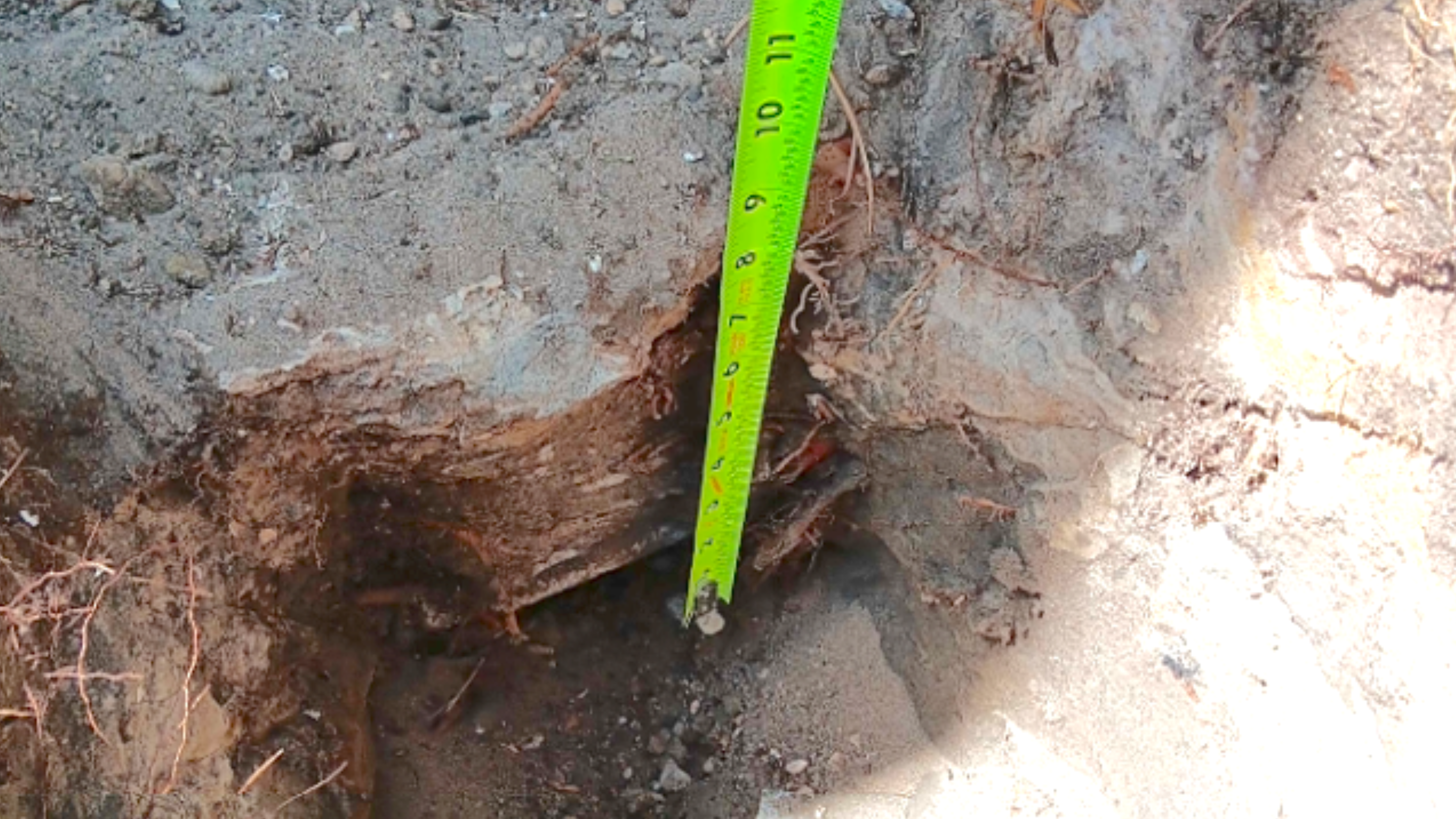
Seawall erosion happens when waves, tides, and storms wear away the materials supporting your seawall. Water pushes against the wall, loosening soil or rock behind it, and over time, this can create gaps, voids, or cracks.
Saltwater also causes damage by corroding metal parts and breaking down concrete. Heavy rain can wash soil away, making erosion worse and leaving less support behind the wall.
Poor construction or aging seawalls may not handle these stresses well. Regular maintenance helps, but natural forces slowly chip away if the seawall is not strong enough. That is why ongoing seawall erosion prevention is so important.
Warning Signs Of Damage
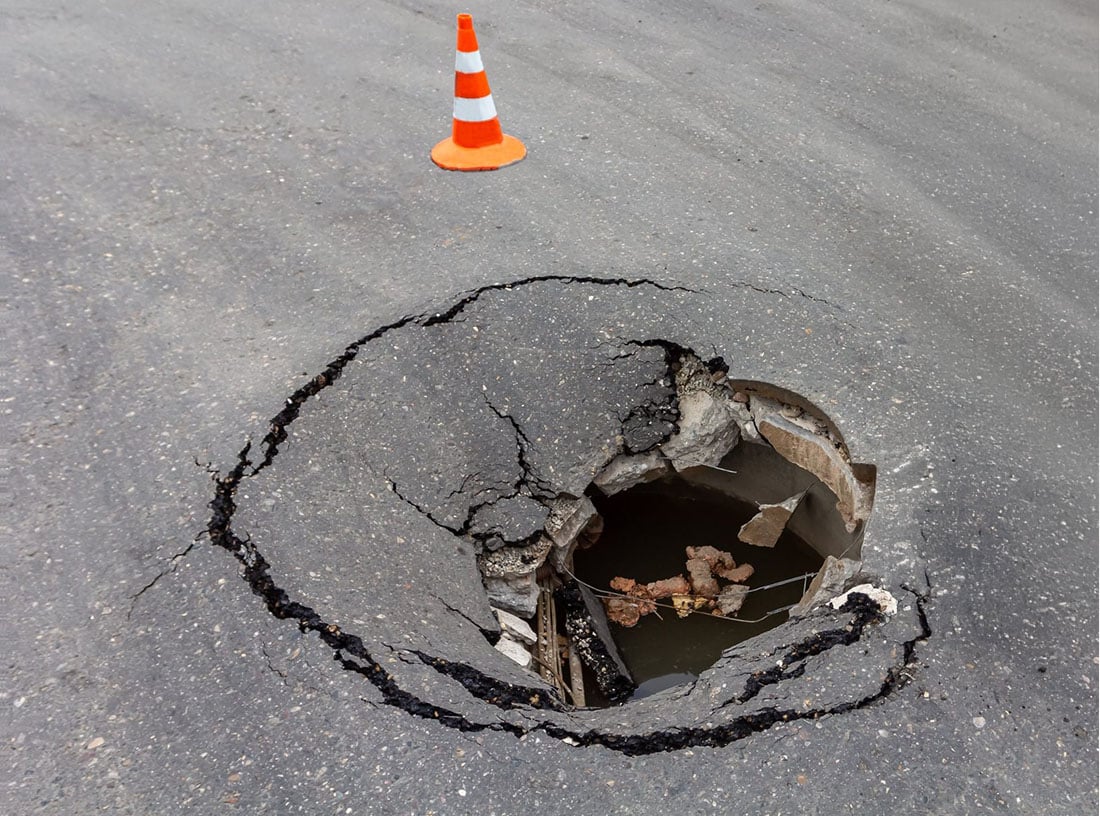
Look for cracks or bulges on your seawall’s surface, since these mean the wall is under stress and may fail soon. You might see soil washing out near the base of the seawall or holes forming in the ground behind it.
Loose or missing stones, rust on metal supports, and leaning sections of the wall are serious danger signs. Water pooling behind the wall also shows it is not draining properly, and that pressure is building up where it shouldn’t.
Effective Seawall Erosion Prevention Tips
Protecting your seawall takes regular care, good drainage, and smart landscaping. Small, consistent steps keep your seawall strong and stop erosion before it starts.
The most effective seawall erosion prevention combines inspections, prompt repairs, and ways to control how water moves around your property.
Routine Inspection And Maintenance
You should inspect your seawall often, especially after storms or heavy rain. Look for cracks, loose stones, or any signs of shifting or settling. Catching problems early helps you avoid bigger, more expensive repairs later.
Maintenance includes cleaning away debris like leaves, branches, or trash that could block water flow or trap moisture against the wall. Also, check for plant roots that might be growing into the seawall and slowly breaking it apart.
If you spot any damage, address it quickly with professional support. Prompt maintenance is one of the most reliable seawall erosion prevention measures you can take.
Proper Drainage Installation
Good drainage around your seawall is key to preventing water buildup that can cause erosion and pressure behind the wall. Water should flow away from the seawall, not toward it.
Installing drainage pipes or gravel-filled trenches can help move water safely away. Make sure gutters and downspouts on your property direct water away from the shore, rather than letting it spill near the wall.
Avoid letting water pool near the seawall base. Standing water adds pressure and can weaken the structure over time. If needed, consult experts to design and install a drainage system that fits your land and supports seawall erosion prevention.
Vegetation And Landscaping Solutions
Planting the right vegetation near your seawall can slow erosion and help hold soil in place. Choose grass, shrubs, or salt-tolerant plants with deep roots that stabilize the soil.
Avoid large trees close to the seawall, since their roots can cause damage and crack the structure. Instead, opt for low-growing plants that stabilize the soil without threatening the wall’s integrity.
Keep your landscaping well-maintained. Remove dead plants and replace them as needed to ensure the soil stays covered year-round. This natural buffer helps protect your seawall from water and wind erosion while supporting long-term seawall erosion prevention.
Upgrading And Repairing Existing Seawalls
Keeping your seawall strong means fixing small problems before they grow. You’ll want to focus on sealing cracks and reinforcing the parts that bear the most stress from waves and soil.
These steps help stop erosion, maintain support behind the wall, and keep your seawall stable for the long term.
Sealing Cracks And Joints
Cracks and gaps let water seep into the structure, which can cause serious damage over time. Start by cleaning the cracks to remove dirt, loose material, and old sealant so repairs can bond properly.
Use a marine-grade sealant or epoxy to fill these spaces. This stops water from eroding the inside of your seawall and helps keep the structure solid. Check the joints between panels or blocks, too.
If joints are loose or cracking, reseal them with a waterproof compound. This prevents waves and rain from getting in and weakening the structure. Sealing cracks usually needs to be done regularly to keep your seawall intact and to support ongoing seawall erosion prevention.
Reinforcing Structural Components
Adding strength to the weak parts of your seawall can prevent sections from shifting or collapsing. This might include installing steel rods or mesh inside the concrete for added support.
Concrete can be patched with special mixtures that bond well and resist saltwater damage. You can also use sheet piles or anchors to hold the seawall firmly in place and tie it into stronger soils.
These improvements help your seawall resist the pressure from waves and the soil behind the wall, extending its useful life and improving overall performance.
Professional Advice And Long-Term Planning
Smart seawall erosion prevention means thinking ahead and getting expert help when needed. Planning for the future reduces risk, spreads out costs, and helps you avoid rushed emergency repairs.
You’ll also need to understand the rules and regulations before making changes so that your project stays on schedule and within local requirements.
Consulting Marine Construction Experts
Talking with marine construction experts can save you time and money over the life of your seawall. They understand how water, waves, and soil interact with your specific shoreline and structure.
These professionals can assess your wall’s condition and suggest the best materials and techniques for your location. Experts might recommend options like riprap, concrete reinforcements, or geotextile fabrics to improve seawall erosion prevention.
They also help design upgrades or new seawalls that fit your needs, budget, and local conditions, so you’re not guessing about what will work best.
Considering Permitting And Regulations
Before making any changes, you must check local permits and rules. Many coastal areas have strict guidelines to protect the environment and waterways, and these rules cover what you can build and where.
Applying for permits often includes submitting plans that detail your project. Failing to get proper approval can lead to fines or orders to remove your work, which can be costly and time-consuming.
Knowing the regulations helps you avoid delays and stay in compliance. Contact your local city or county office or a marine expert to guide you through the process so your seawall project meets all legal requirements from the start.
Keep Your Seawall Protected
Strong seawall erosion prevention starts with regular inspections, good drainage, and simple upkeep. Small, consistent steps now can prevent major damage and protect your shoreline for years.
If you need clarity on what your seawall really needs, Helicon can help you understand its condition and recommend practical solutions that fit your property and budget.
Take a quick walk along your seawall, note any cracks, leaning, or washouts, and schedule a professional inspection if something looks off. Acting early keeps your shoreline safer and more stable.
Frequently Asked Questions
Understanding how to protect your shoreline and maintain seawalls can save you time and money. Simple methods, regular upkeep, and eco-friendly choices all help keep erosion under control.
What Methods Can Be Employed For Effective Beach Protection?
You can use natural barriers like planting beach grasses and installing sand dunes. Adding breakwaters or offshore reefs helps reduce wave energy before it reaches the shore.
Combining these solutions with well-maintained seawalls increases overall protection and supports long-term seawall erosion prevention.
How Can One Maintain A Seawall To Ensure Its Longevity?
Check your seawall regularly for cracks, gaps, or leaning sections. Clean debris away to prevent damage and improve drainage. Sealing cracks and reinforcing weak spots can stop erosion early and extend the life of the structure.
Which Strategies Are Considered Most Effective In Stopping Shoreline Erosion?
Using a mix of barriers, such as seawalls, vegetation, and dunes, works well. Keeping sand in place with dune restoration also helps reduce erosion. If erosion is severe, engineered solutions like rock revetments or upgraded seawalls can be necessary for reliable protection.
What Are Some Environmentally Friendly Ways To Prevent Coastal Erosion?
Plant native vegetation to stabilize soil naturally and help trap sand. Use biodegradable materials for temporary erosion control when you need short-term support.
Avoid hard structures where possible in sensitive areas to help protect nearby habitats and maintain natural shorelines.
How Do Engineered Structures Like Seawalls Contribute To Reducing Erosion?
Seawalls act as strong barriers against waves and tides. They protect your property by stopping soil from washing away and holding back fill material behind the wall.
When properly designed and maintained, they offer lasting defense against erosion forces along developed shorelines.
Can You List A Few Proven Techniques To Mitigate Erosion Along Beaches?
Beach nourishment, where sand is added to widen the beach, is a common approach. Planting vegetation and building or restoring dunes also helps.
Reinforcing seawalls and using other engineered features adds extra protection that lasts, especially when paired with ongoing seawall erosion prevention.