In coastal construction, the most expensive foundation problems usually begin long before there is any visible sign of failure. That is especially true for commercial pool projects in places like St. Pete Beach and Pinellas County, where high groundwater, sandy soils, storm exposure, and site-specific geotechnical variability create risks that cannot be solved with surface-level planning alone.
For commercial property owners, contractors, and engineers, the issue is not simply whether a pool can be built. The question is whether that pool can remain stable, serviceable, and financially protected over the long term in an environment shaped by water, weather, and soil movement.
That is why pre-construction, foundation stabilization deserves a more central role in coastal project planning.
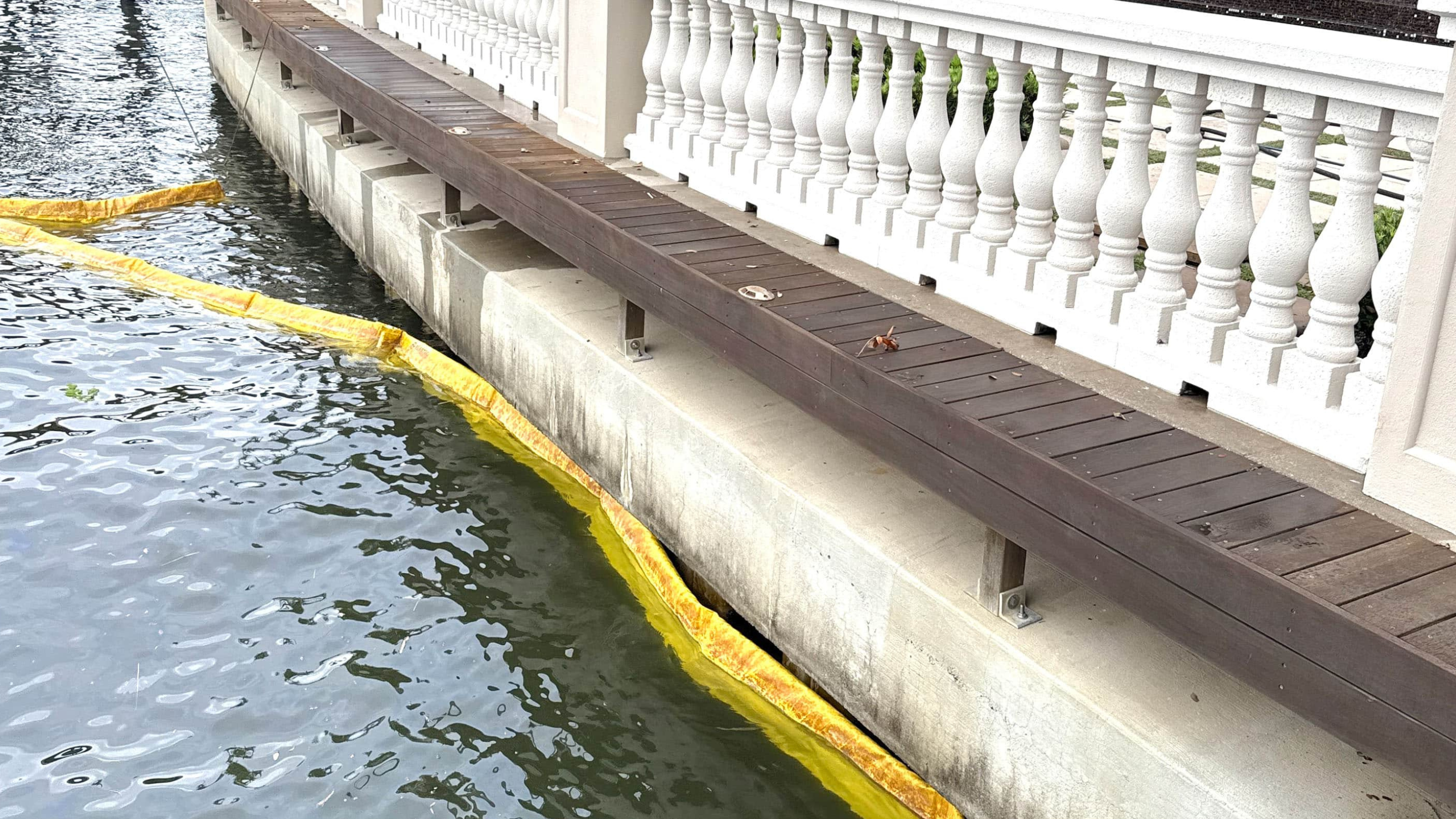
At Sirata Beach Resort in St. Pete Beach, Florida, Helicon was brought in during the pre-construction phase of a new commercial pool project to install a deep foundation system beneath the future pool footprint. Before the shell was poured and before the visible amenity took shape, the project team addressed one of the most important parts of long-term performance: what was happening below grade.
Coastal Commercial Construction Requires a Different Foundation Mindset
Inland projects and coastal projects are not the same. In barrier-island and waterfront environments, soils, groundwater behavior, and storm cycles introduce a level of uncertainty that can make conventional assumptions less reliable.
For a commercial pool, that matters because the structure is not only carrying its own loads. It may also be affected by hydrostatic pressure, changing moisture conditions, drainage patterns, storm surge events, and the long-term behavior of underlying soils. In a market like Pinellas County, where valuable commercial assets are often located near the coast, these factors should be built into planning from the beginning.
A pool at a resort, multifamily development, or hospitality property is not a minor site feature. It is a guest-facing asset, a revenue-supporting amenity, and often a defining part of the property’s experience. When something goes wrong structurally, the consequences are not limited to repair costs. They can include project delays, operational downtime, lost revenue, insurance complications, and brand damage.
That is why coastal commercial pools deserve a foundation strategy that reflects the realities of the site.
The Hidden Risks Under Coastal Pool Construction
When owners or project teams think about pool construction, they often focus on finishes, layout, visual appeal, and schedule. Those all matter, but in St. Pete Beach and throughout coastal Pinellas County, subsurface conditions can have a greater impact on long-term success than any finish package ever will.
High Groundwater and Hydrostatic Uplift
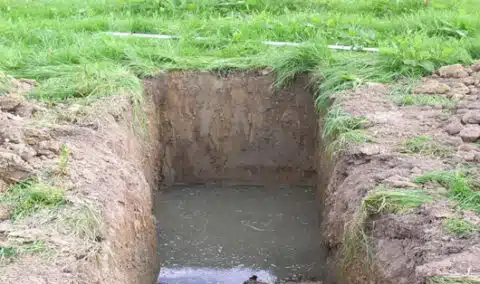
In many coastal environments, groundwater is close to the surface. That means a pool structure can be exposed to upward pressure from below, especially if the pool is drained for service or if weather conditions temporarily increase groundwater levels. In severe cases, that upward force can create movement or structural distress. In common industry language, this is often associated with pool popping.
For commercial property owners, that risk is not theoretical. It is part of building near the water. Ignoring it during design and pre-construction planning can expose the project to avoidable future costs.
Variable Bearing Soils
Barrier-island and coastal soils are often dominated by sands and fills with inconsistent density and strength characteristics. Some shallow support conditions may appear acceptable at one point in time, then behave differently as moisture changes or loads are introduced. This is one reason why deeper, more predictable support systems are often considered in sensitive coastal applications.
Storm Exposure and Long-Term Cyclic Stress
In Florida, especially near the Gulf, storms are not rare events. Commercial structures and amenities must be designed with the expectation that groundwater conditions can change quickly and that extreme weather will test the resilience of both visible and hidden systems. A commercial pool foundation needs to perform not just under normal operating conditions, but over years of seasonal weather cycles and occasional severe events.
Post-Construction Failure Is Far More Expensive Than Prevention
Once a commercial pool is built and operational, foundation correction becomes significantly more disruptive. The cost is no longer limited to structural work. There may also be lost use, tenant or guest inconvenience, schedule conflicts, and reputational consequences. For hospitality properties, those downstream costs can be substantial. This is where pre-construction planning becomes a strategic advantage rather than just a technical detail.

Why Helical Piers Make Sense for Commercial Pools Near the Water
Helical piers are often discussed in the context of foundation repair, but the framing is too narrow. In reality, they are also a highly effective pre-construction foundation solution when a project requires deeper load transfer, uplift resistance, or greater predictability in variable soils.
At Sirata Beach Resort, Helicon installed 52 galvanized steel helical piers beneath the planned pool area as part of a coordinated stabilization strategy. The reason this approach is important goes beyond the product itself. It reflects a planning philosophy: use engineered deep foundation support before the structure is vulnerable to movement.
Several characteristics make helical piers particularly valuable for coastal commercial pool construction.
Deep Load Transfer
Rather than relying solely on shallow near-surface conditions, helical piers are advanced into the ground until they reach more competent bearing strata. That gives project teams a more reliable path for transferring structural loads in environments where shallow soils may be inconsistent.
Positive Uplift Resistance
A pool near a high groundwater table may be vulnerable to buoyancy and uplift forces. Helical piers can be designed to provide both compressive support and anchoring capacity, making them well-suited for projects where uplift mitigation is a critical design concern.
Real-Time Installation Verification
One of the major advantages of helical pier installation is that capacity can be correlated with installation torque. That means the system can be monitored during installation, giving engineers and contractors a more measurable basis for confirming performance than methods that rely more heavily on assumptions alone.
Minimal Disruption to Active or Constrained Sites
Commercial sites often involve nearby structures, utilities, access limitations, or ongoing operations. Helical piers are well-suited for these conditions because they can often be installed with relatively low disturbance compared with more invasive alternatives.
Immediate Construction Sequencing Benefits
Because helical piers are load-ready immediately after installation, they support efficient project progression. There is no cure time, which can be beneficial when keeping a commercial construction schedule on track.
How the Installation Was Executed
High-performing pre-construction work depends on precision. In commercial projects, execution quality matters just as much as design intent.
At Sirata Beach Resort, the installation process included several important controls.
Layout Verification Against Project Plans
Pier locations were checked against the construction drawings to align with the pool footprint and structural loading requirements. That step matters because deep foundation elements must work with the broader construction package, not in isolation.
Controlled Advancement and Torque Monitoring
Each helical pier was advanced using hydraulic torque equipment, with resistance monitored throughout installation. This field process helped verify that the piers were achieving the engineered criteria needed for performance.
Capacity Confirmation Through Torque
Installation torque was used as the practical performance checkpoint for the system. On this project, the work was advanced to engineered torque values to support the desired stabilization objectives.
Elevation and Alignment Control
After installation, pier heads were cut and set to the correct elevations so the pool contractor could proceed efficiently into forming, reinforcing, and subsequent construction activities.
Clean Site Turnover
Once the piers were installed, the project could transition into the next stage of construction without the curing delays or extensive spoil management associated with some other approaches. For commercial teams, that kind of coordination is not a luxury. It is part of delivering a project efficiently.

Why This Matters to Commercial Property Owners, Developers, Contractors, and Engineers
For coastal commercial projects, foundation planning affects far more than structural performance. It influences asset protection, construction sequencing, and long-term risk management across the entire project team.
For Commercial Property Owners and Developers
Pre-construction stabilization helps protect high-value amenities, reduce exposure to future repairs, and support stronger long-term asset performance. For owners and developers, that means fewer avoidable capital risks tied to groundwater, uplift, and variable coastal soils.
For Contractors
Addressing subsurface risk early helps protect the schedule, improve coordination, and reduce field surprises. Helical piers also support efficient sequencing because they are load-ready immediately after installation.
For Engineers
Helical piers offer a practical design option when a project needs deeper load transfer, uplift resistance, and field-verifiable installation data. In coastal environments, that combination supports a more disciplined and predictable foundation strategy.
The Broader Lesson From Sirata Beach Resort
The Sirata Beach Resort pool project reinforces a simple but important principle: the best time to solve foundation risk is before the structure is built.
That idea sounds obvious, yet many commercial projects still treat foundation stabilization as reactive rather than preventive. In coastal environments such as St. Pete Beach and Pinellas County, that approach can leave too much to chance.
Pre-construction helical pier installation is not about overbuilding for the sake of caution. It is about aligning the foundation strategy with site realities, protecting the owner’s investment, and giving the project team a more dependable starting point.
For commercial properties near the water, that is not just good engineering. It is smart asset planning.
Frequently Asked Questions About Commercial Pool Foundation Stabilization
Why is pre-construction stabilization important for commercial pools in St. Pete Beach?
Coastal sites in St. Pete Beach often involve high groundwater, sandy soils, and exposure to severe weather. Those conditions can increase the risk of uplift, buoyancy-related movement, and long-term settlement if they are not addressed early.
Are helical piers only used after a structure fails?
No. Helical piers are also used proactively in pre-construction settings where a project needs deeper support, uplift resistance, or more predictable performance in variable soils.
Why use galvanized steel helical piers for coastal projects?
Galvanized steel is commonly selected for its durability and corrosion resistance, which are important considerations in coastal environments where long service life matters.
Can helical piers help keep a commercial project on schedule?
Yes. Because they are load-ready immediately after installation, they can support efficient sequencing and reduce delays associated with methods that require curing time.
Who should consider this approach?
Commercial property owners, developers, general contractors, and engineers involved in hospitality, multifamily, mixed-use, and other waterfront or coastal-adjacent projects should consider whether pre-construction stabilization is appropriate for their site conditions.

Request a Free Estimate from Helicon
Helicon works with commercial property owners, contractors, and engineers across Florida to deliver engineered solutions for foundation repair, soil stabilization, and pre-construction helical pier installation. If you are planning a commercial pool, resort improvement, or coastal development project in St. Pete Beach or Pinellas County, our team can help you evaluate site risk and determine the right stabilization strategy before construction begins.
Request a free estimate to talk with Helicon about your next commercial project and learn whether pre-construction helical piers are the right fit for your site. Call 844-Helicon or fill out the form on our site today.