[cs_content][cs_element_section _id=”1″ ][cs_element_row _id=”2″ ][cs_element_column _id=”3″ ][cs_element_headline _id=”4″ ][cs_content_seo]The Plaza at Harbour Island\n\n[/cs_content_seo][/cs_element_column][/cs_element_row][/cs_element_section][cs_element_section _id=”5″ ][cs_element_row _id=”6″ ][cs_element_column _id=”7″ ][cs_element_video _id=”8″ ][cs_element_gap _id=”9″ ][/cs_element_column][cs_element_column _id=”10″ ][cs_element_headline _id=”11″ ][cs_content_seo]Tampa, FL\n\n[/cs_content_seo][cs_element_gap _id=”12″ ][cs_element_text _id=”13″ ][cs_content_seo]CLIENT: Plaza Harbour Island Condo Assoc.
ENGINEER: Delta Engineering
MARKET: Commercial
SOLUTION: Foundation Repair
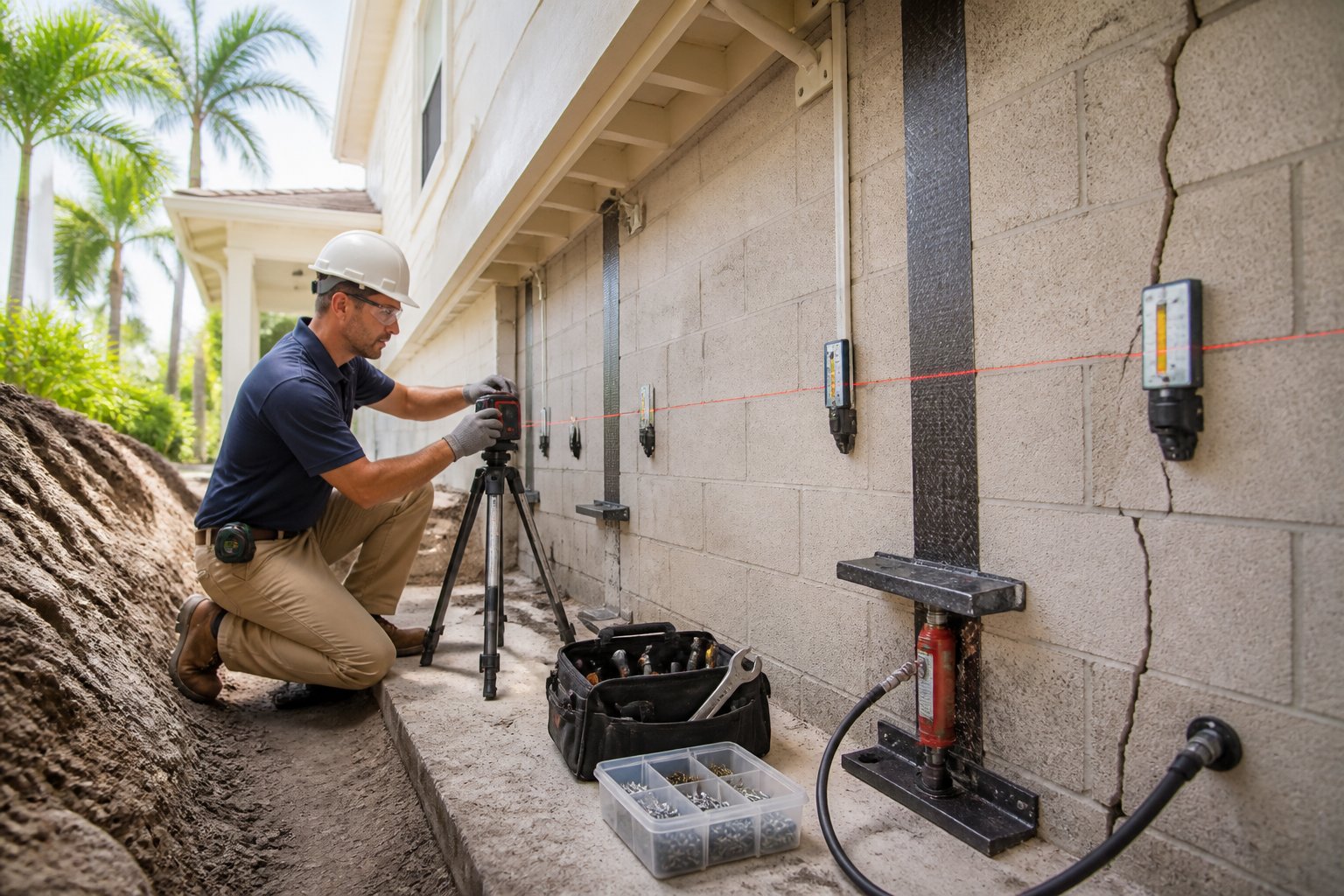
SERVICE: Underpinning and Chemical Grout\n\n[/cs_content_seo][cs_element_gap _id=”14″ ][cs_element_headline _id=”15″ ][cs_content_seo]Foundation Repair for a Multi-Use Complex\n\n[/cs_content_seo][cs_element_headline _id=”16″ ][cs_content_seo]Improvement of the clayey sands and silty soils\n\n[/cs_content_seo][cs_element_headline _id=”17″ ][cs_content_seo]Micropiles installed to a 45-50 ft depth range\n\n[/cs_content_seo][cs_element_gap _id=”18″ ][cs_element_button _id=”19″ ][cs_content_seo]Project PDF\n\n[/cs_content_seo][cs_element_social _id=”20″ ][cs_element_social _id=”21″ ][cs_element_social _id=”22″ ][cs_element_social _id=”23″ ][/cs_element_column][/cs_element_row][/cs_element_section][cs_element_section _id=”24″ ][cs_element_layout_row _id=”25″ ][cs_element_layout_column _id=”26″ ][cs_element_text _id=”27″ ][cs_content_seo]Project\n\n[/cs_content_seo][cs_element_text _id=”28″ ][cs_content_seo]The project is a multi-use complex, including retail space and multi-level condominiums/apartments. The Geotechnical Engineer of Record recommended a foundation repair of underpinning micropiles and chemical grout injections to solve settlement problems.\n\n[/cs_content_seo][/cs_element_layout_column][/cs_element_layout_row][/cs_element_section][cs_element_section _id=”29″ ][cs_element_layout_row _id=”30″ ][cs_element_layout_column _id=”31″ ][cs_element_text _id=”32″ ][cs_content_seo]Challenge\n\n[/cs_content_seo][cs_element_text _id=”33″ ][cs_content_seo]• Bay bottom sediments of very loose silty to clayey sands and clays with differing silt, sand, and shell content.• The surface of the limestone formation was encountered between 33 feet and 44 feet.\n\n[/cs_content_seo][/cs_element_layout_column][/cs_element_layout_row][/cs_element_section][cs_element_section _id=”34″ ][cs_element_layout_row _id=”35″ ][cs_element_layout_column _id=”36″ ][cs_element_text _id=”37″ ][cs_content_seo]Solution\n\n[/cs_content_seo][cs_element_text _id=”38″ ][cs_content_seo]Helicon worked alongside the geotechnical design team to develop a foundation repair program designed to meet the building code load criteria. Micropiles were installed to a depth range of 45-50 feet below existing grade. The support brackets for the micropiles allow not only prevention of further settlement of foundation elements but also can be utilized to provide some uplift of foundation elements. Chemical grout injections were completed to give additional support to the foundation. Efficient planning & coordination was key to overcoming the challenges & limitations. Helicon collaborated with the Geotechnical Engineer of Record throughout the work and confirmed all recommended criteria were followed. \n\n[/cs_content_seo][/cs_element_layout_column][/cs_element_layout_row][/cs_element_section][cs_element_section _id=”39″ ][cs_element_row _id=”40″ ][cs_element_column _id=”41″ ][cs_element_image _id=”42″ ][cs_element_image _id=”43″ ][cs_element_gap _id=”44″ ][/cs_element_column][cs_element_column _id=”45″ ][cs_element_image _id=”46″ ][cs_element_image _id=”47″ ][cs_element_gap _id=”48″ ][/cs_element_column][/cs_element_row][/cs_element_section][/cs_content]
Helical Piers vs. Push Piers: What’s the Difference?
Direct Answer Push piers and helical piers are both steel foundation-support systems used to transfer structural loads away from weak or unsuitable shallow soils to deeper competent bearing soils or other suitable bearing material. The biggest difference...