

Seawall Repair
Florida’s coastal properties are constantly exposed to saltwater, storm surges, and shifting soil. Helicon is Florida’s trusted name in seawall repair, offering expert services that restore strength, prevent erosion, and preserve the long-term stability of your shoreline.
Request Free Inspection:
Florida Seawall Problem Signs
Washed-out areas or depressions in your yard often indicate erosion behind the seawall, usually from water escaping through cracks, panel joints, crevices, and tears in the failed filter fabric—typical are the root cause of the soil loss.
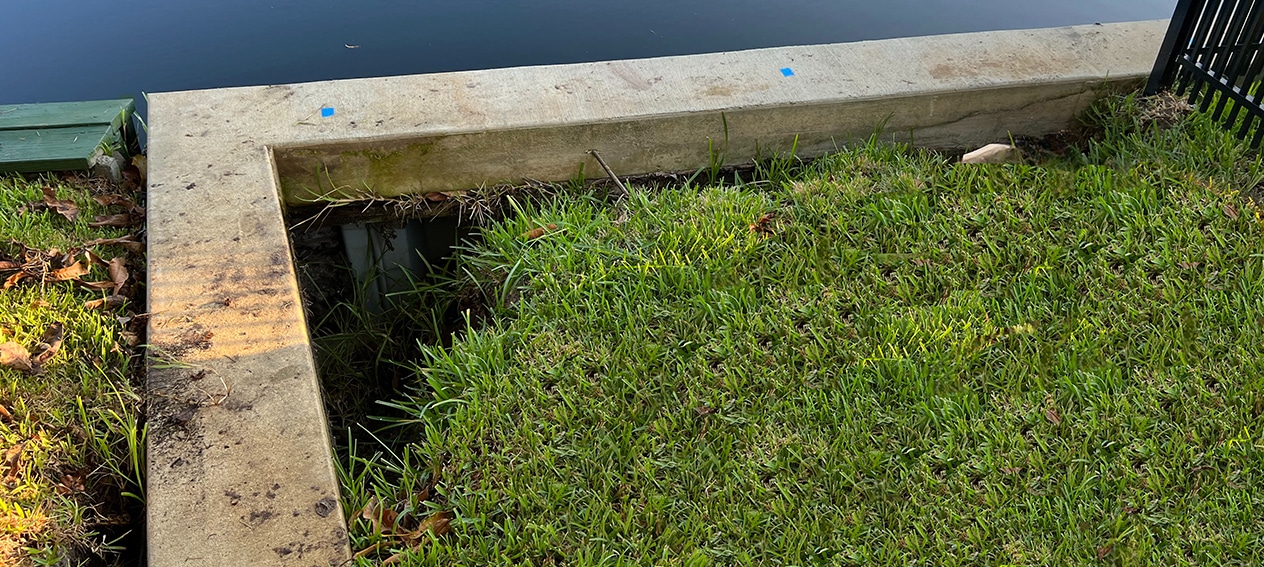
Soil Loss or Voids Behind the Wall
Washed-out areas or depressions in your yard often indicate erosion behind the seawall, usually from water escaping through cracks or clogged drainage systems.
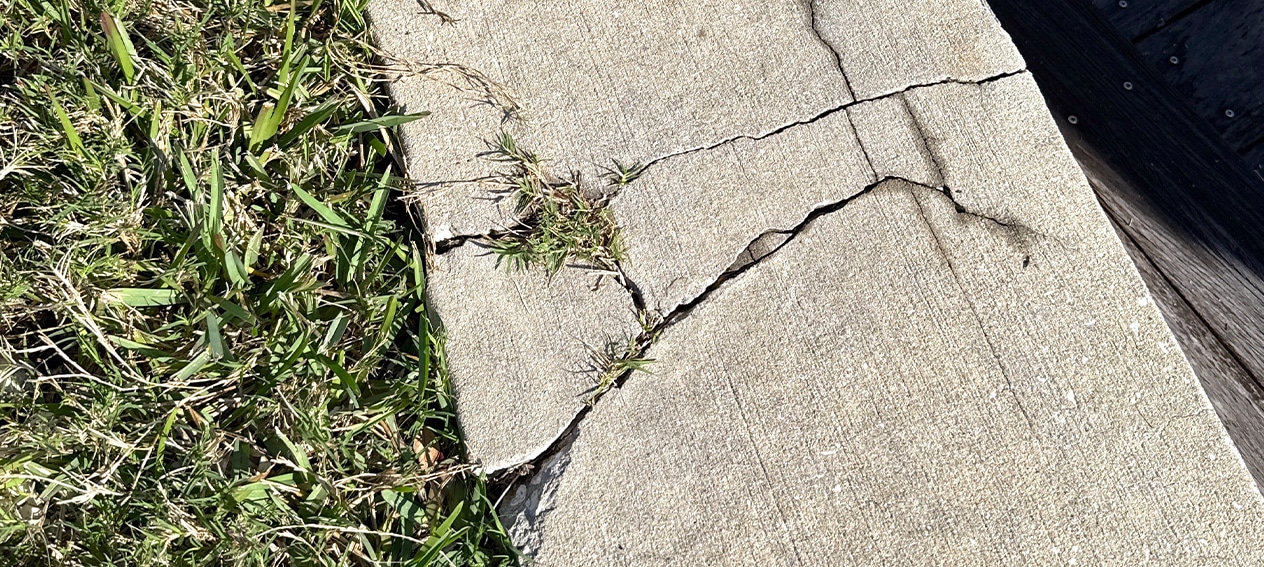
Cracking in the Cap
Cracks along the concrete cap are early signs of stress or shifting, allowing water intrusion that accelerates deterioration.

Seawall Movement or Leaning
Any forward movement or tilting suggests a loss of structural integrity—often caused by soil instability leading to anchoring system failure, or by a clogged pressure relief valve system.
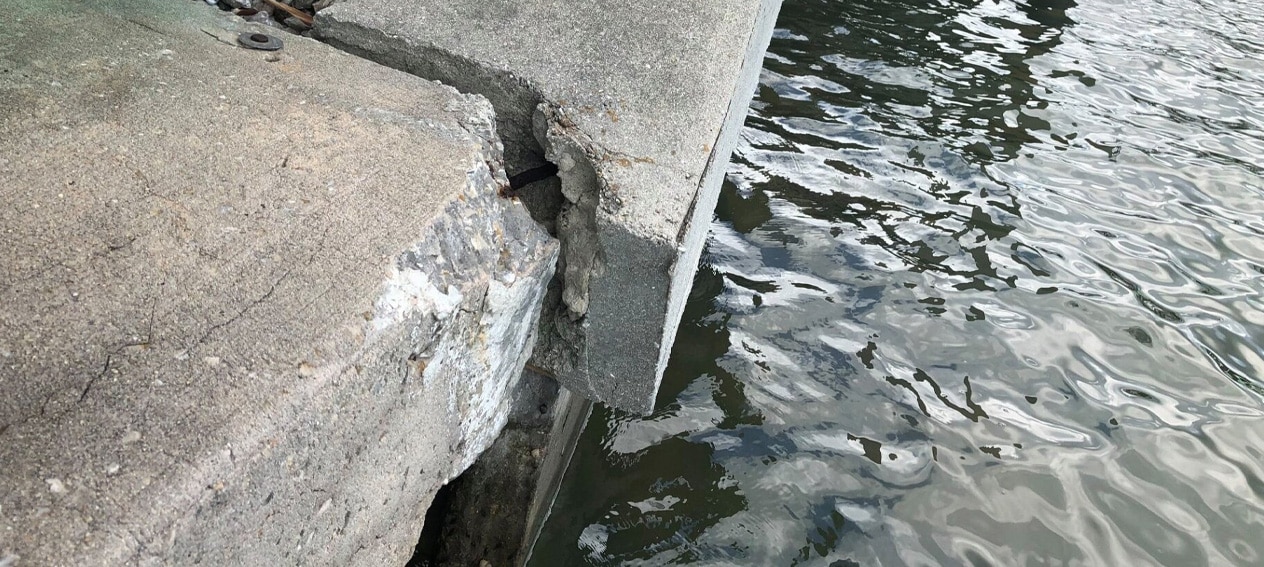
Spalling or Surface Deterioration
Chipped, flaking, or crumbling concrete (known as spalling) is a sign that the wall’s surface has been compromised by saltwater intrusion and aging materials.
Foundation RepairSince 2004!




Seawall Repair Solutions for Your Florida Property
We use advanced, non-invasive methods that stabilize your seawall and extend its lifespan, without the need for full replacement. All our services are designed for Florida’s unique soil and coastal conditions.
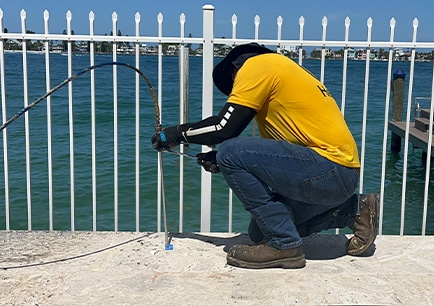
Soil Stabilization
We inject high-strength polyurethane or chemical grout into loose or eroded soils behind the seawall. This strengthens the foundation, fills voids, and prevents further washout—helping restore structural integrity and protect against future erosion.
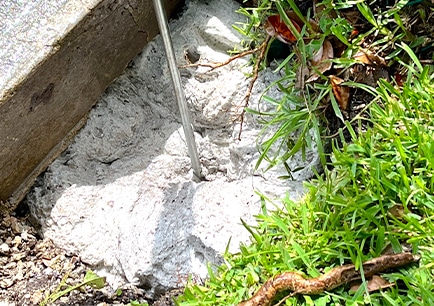
Void Fill with Polyurethane
Eroded areas behind or beneath the seawall can create dangerous voids. We inject expanding polyurethane foam to fill these gaps, displace trapped water, and stabilize the ground—providing lasting support without excavation.
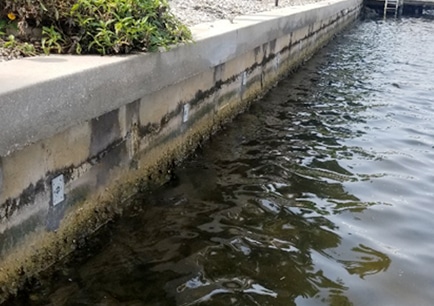
Jet Filter Pressure Relief System
We install patented Jet Filters—an easy-to-clean, clog-resistant weep hole system that relieves water pressure behind the seawall while retaining soil. This reduces hydrostatic stress and helps prevent erosion-related damage to the wall structure.

What Causes Seawall Failure?
Florida’s harsh coastal conditions and problematic soils can wear down even well-built seawalls over time. Here are the most common culprits:
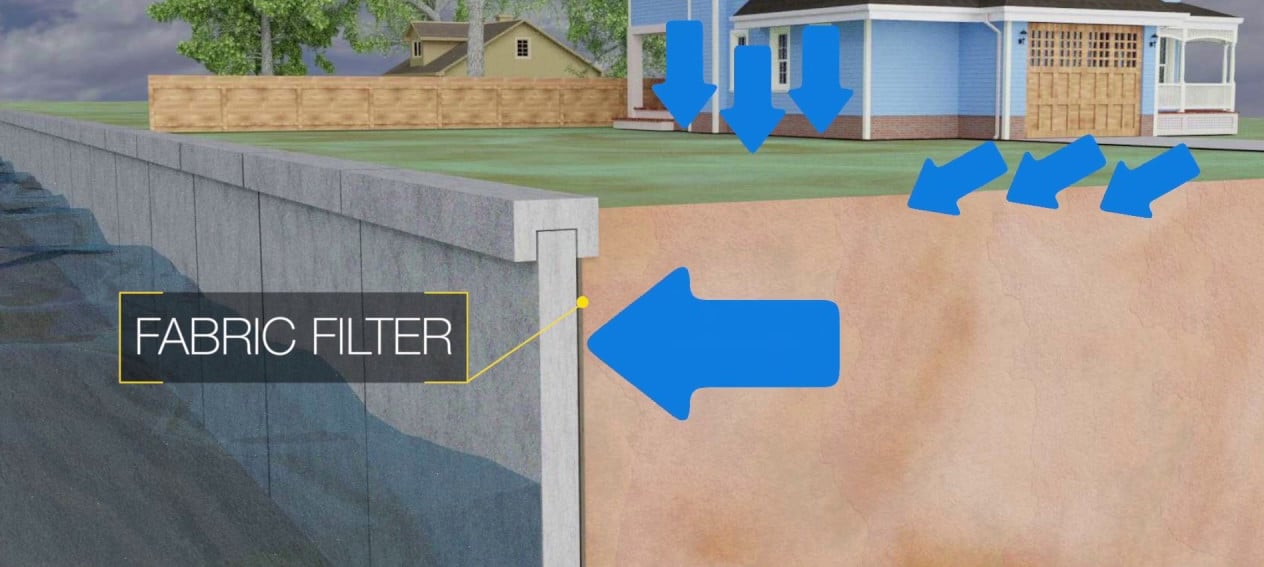
Broken Filter Fabric
The filter fabric behind your seawall is designed to keep soil in place while letting water pass through. Once it tears or deteriorates, soil escapes and erosion accelerates.
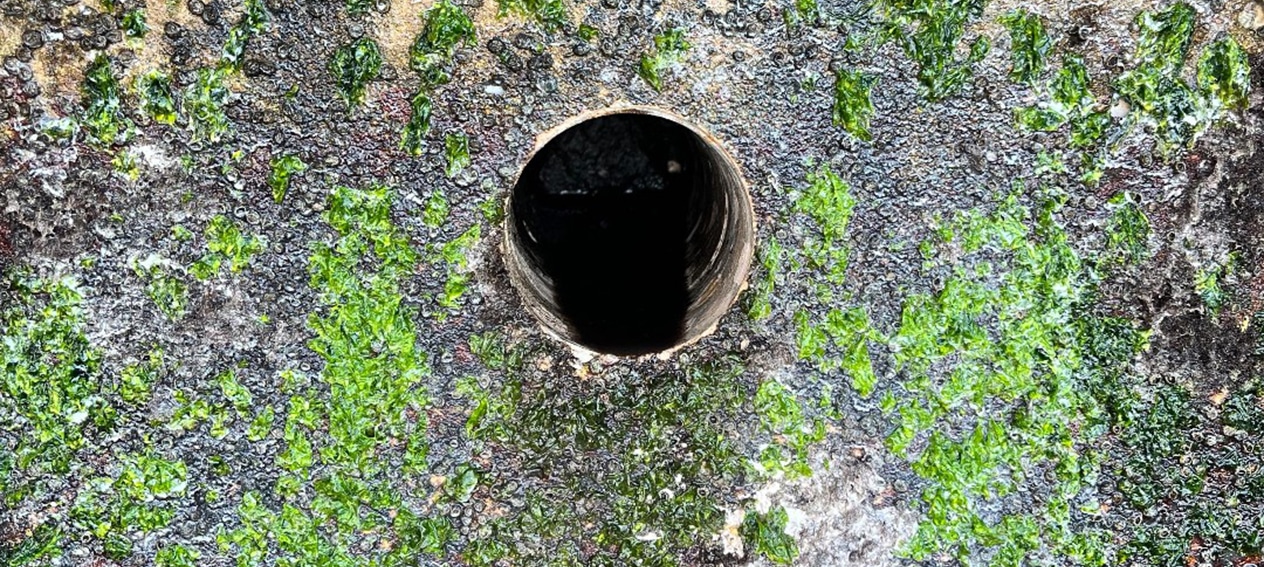
Clogged Weep Holes
Weep holes act as pressure relief points, allowing trapped water to drain while a filter retains soil. If they become blocked, water accumulates behind the wall, increasing hydrostatic pressure and risking structural failure.
Cracks and Openings in the Wall
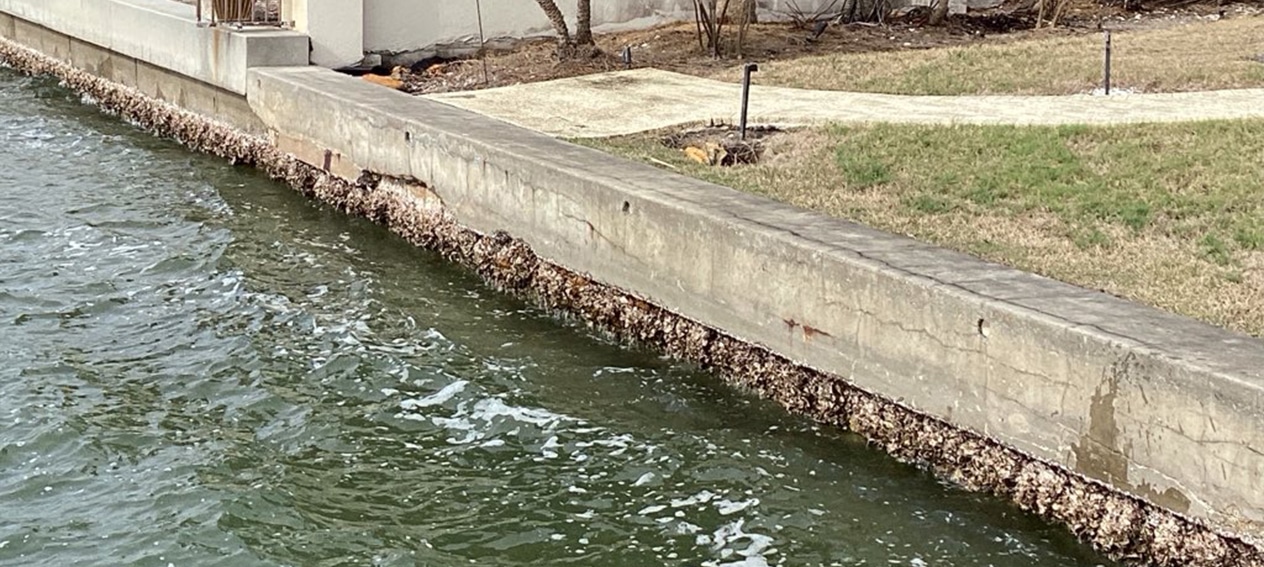
Even small cracks let water seep through, carrying soil with it. This weakens the wall’s support and creates voids or sinkholes on the landward side.

Protect Tieback or Deadman Anchoring System
A tieback system holds the seawall in place against water and soil pressure. When it fails—due to corrosion, age, or soil movement—the wall can bow, lean, or collapse.
Request Your Free Inspection
Our Florida-based foundation experts will assess your home, identify any issues, and provide honest recommendations—at no cost and with no pressure to commit.
FREE INSPECTION REQUEST
Seawall Repair FAQ
What causes seawalls to deteriorate?
How do I know if my seawall needs repairs?
What is the process for seawall repair?
The repair process depends on the extent of the damage. For minor cracks, we may use crack injection methods like polyurethane or epoxy to seal the gaps.
Can a seawall be repaired without excavation?
How long does seawall repair take?
Will seawall repairs stop future erosion?
How much do seawall repairs cost?
Are seawall repairs covered by insurance?
How can I prevent my seawall from needing frequent repairs?
Regular inspections and maintenance are key to prolonging the life of your seawall. Keeping debris away, managing erosion, and addressing small issues before they become larger problems can help maintain the structure. Additionally, adding protective measures like riprap can reduce the impact of waves and storms on your seawall.
Can Helicon help with seawall repairs?
Additional Services from Helicon
Helicon offers a full range of ground engineering and structural services designed to protect and preserve your Florida property.

Concrete Leveling & Lifting
Restore safety and appearance by correcting uneven or sunken concrete surfaces.

Foundation Repair
Strengthen and restore your home’s foundation to fix cracks, uneven floors, and structural instability.

Soil Stabilization
Improve ground stability to prevent foundation settlement and structural shifting.