
The Villages, FL
The Project
The Challenge
The Solution
FREE INSPECTION REQUEST
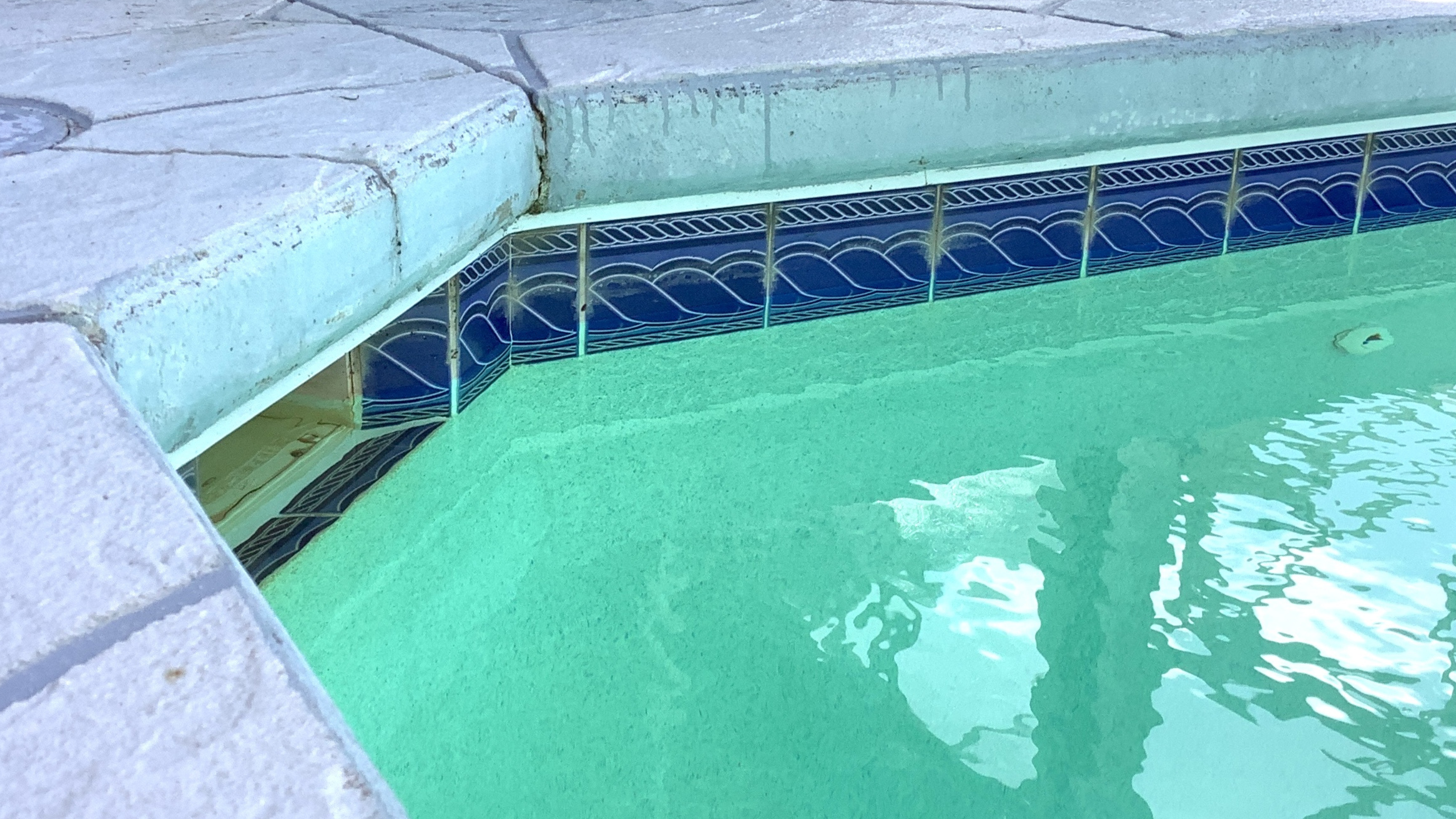

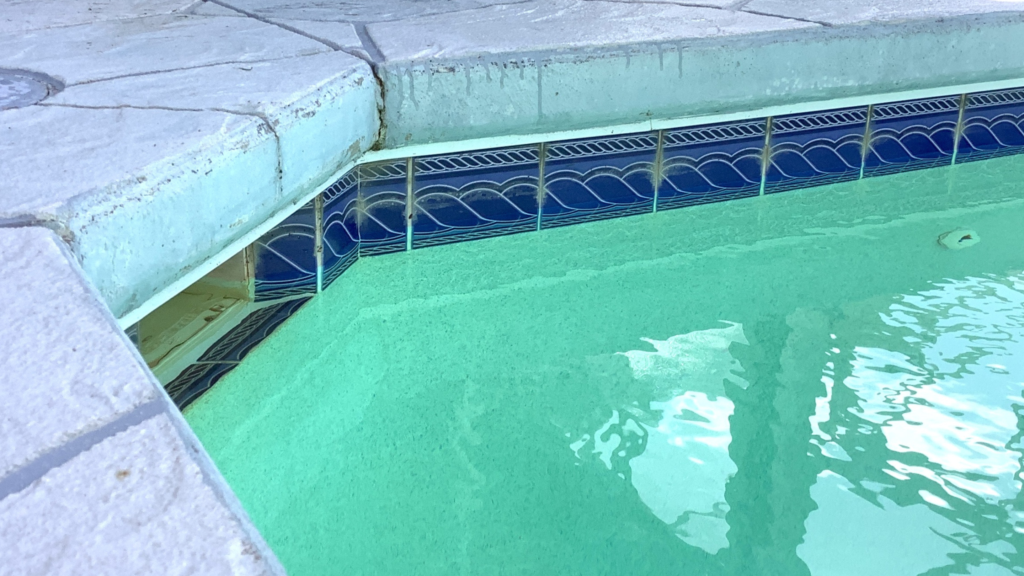
Market: Residential
Solution: Concrete Repair & Soil Stabilization
Services: Two‑Part Structural Polyurethane Injections (Soil and Slab Lift)
Property Type: Single‑family residence with in‑ground pool and cast‑in‑place concrete deck
Location: The Villages, FL (Sumter County)
Homeowner Priorities:
Pre‑Work Indicators:
– Hollow response on percussion testing at slab edges/corners—signs of a void.
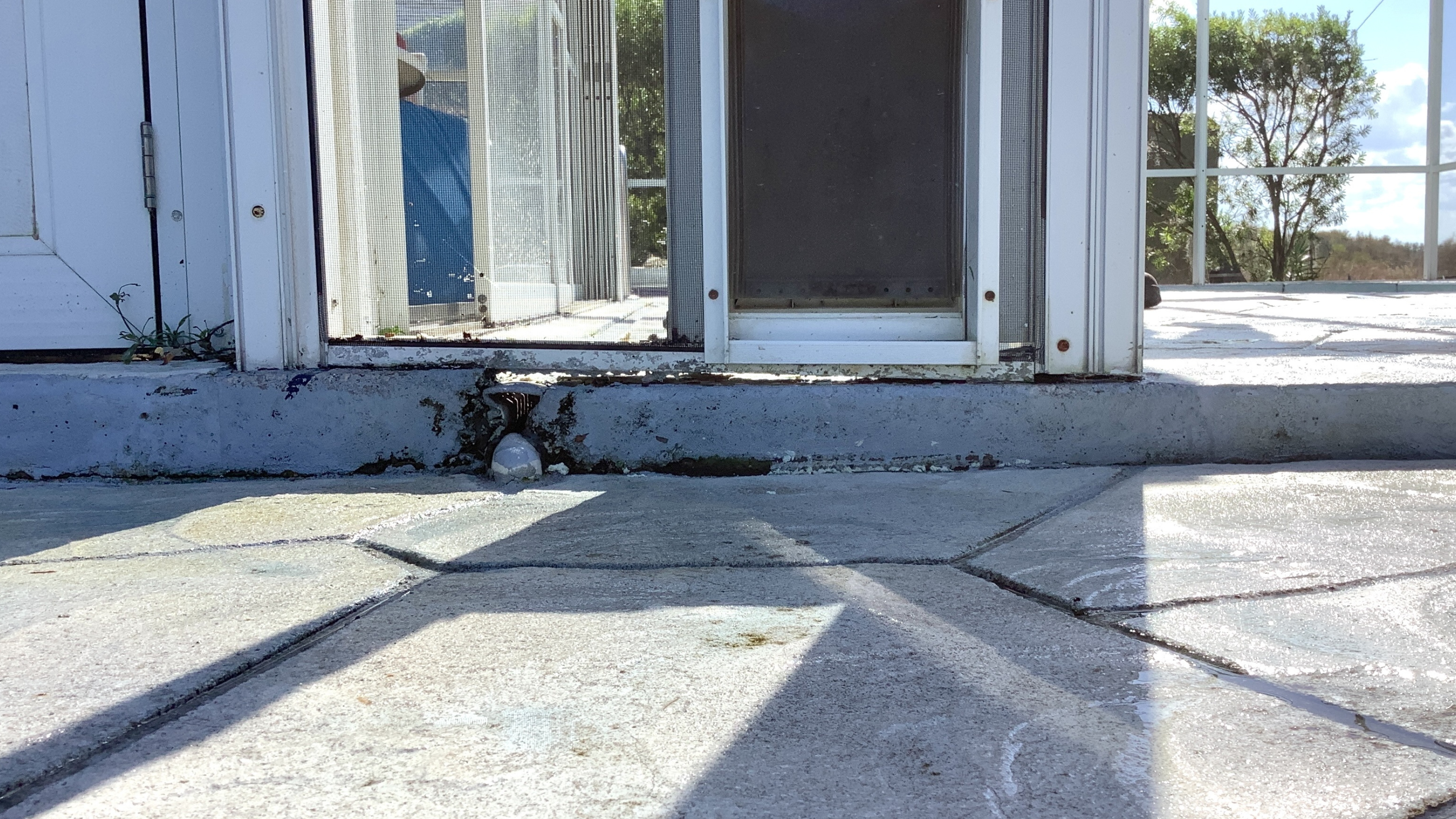
– Light panel settlement adjacent to the patio threshold.
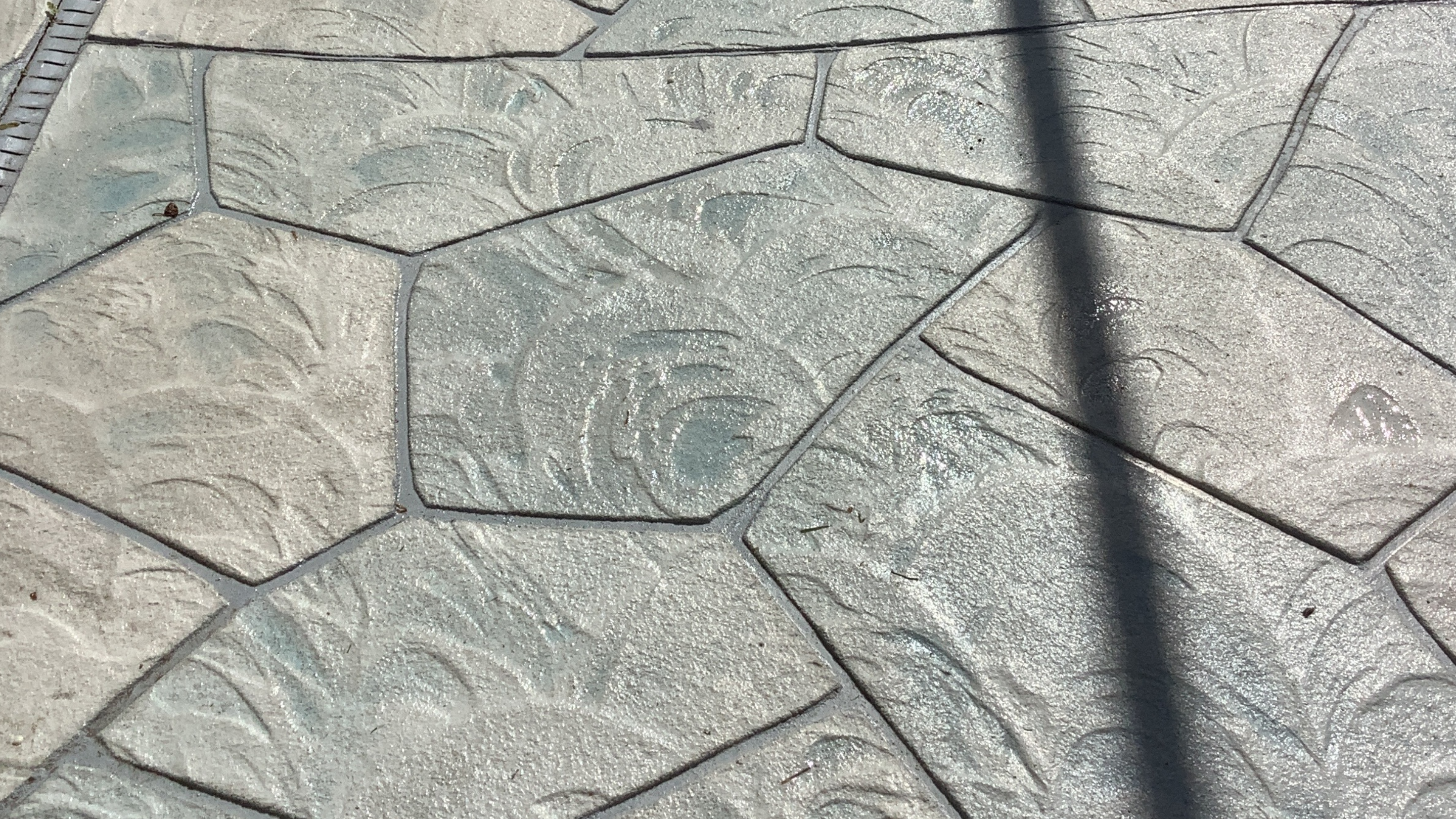
– Hairline cracking consistent with loss of uniform support beneath the slab.
Likely Contributors:
– Mixed backfill from original construction with pockets of loose or under‑compacted sand.
– Moisture variability from rainfall, irrigation, and pool splash‑out.
– Potential organics decay (old roots) forming channels that no longer carry load.
Pool decks depend on a shallow influence zone (typically the top 24–36 inches of soil). When that zone loses density, slabs begin to bridge, creating stress at joints and panel corners. This project presented three practical constraints:
Helicon installed 216 pounds of two‑part structural polyurethane beneath the pool deck through small‑diameter ports. The material flows to low‑resistance pathways (voids, loose pockets), then reacts to form a soil‑foam matrix that locks grains and re‑establishes uniform bearing.
Homeowners often ask for an instant-level deck. But leveling unsupported concrete is a temporary fix if the underlying soils remain weak. The proven sequence is:
This order protects finishes, prevents over‑correction, and delivers the most durable performance in sandy Florida backfills.
Can you return the deck to perfectly level?
Our first responsibility is stability. We pursue measured, low‑risk corrections only where the slab responds uniformly—especially near a sliding glass door. Many homeowners see meaningful functional improvement even without a full lift.
How long does the repair last?
The structural foam is inert after cure and resists moisture. Longevity depends on drainage and loading, but results are long‑lasting when edges are sealed and runoff is managed.
Will injections affect plumbing or the screen enclosure?
We map utilities, respect anchors, and use short, controlled shots. The technique is surgical compared with demolition, protecting adjacent systems.
Will we see the ports?
Ports are small and patched at completion. They blend with typical deck maintenance; any cosmetic work (re‑seal, re‑coat) is best scheduled after stabilization.
Helicon is Florida’s trusted partner for soil stabilization, concrete lifting, foundation repair, and sinkhole remediation. We serve homeowners across The Villages and Greater Sumter County, delivering engineered, minimally disruptive solutions that protect property and peace of mind.
Seeing cracks, hollow sounds, or trip edges around your pool deck in The Villages, Lady Lake, or Wildwood? Helicon’s soil stabilization and concrete lifting methods close voids, restore support, and deliver durable results—often in one day.
Call 844‑HELICON to schedule a free inspection and protect your outdoor living space.
FREE INSPECTION REQUEST