
Lake Buena Vista, FL
The Project
The Challenge
The Solution
FREE INSPECTION REQUEST

Client: Four Seasons Resort
Market: Commercial
Solution: Two-Part Structural Polyurethane Injections
Services: Soil Stabilization
This project took place at the Four Seasons Resort in Lake Buena Vista, a property where performance expectations are naturally high. In hospitality environments—especially luxury hotels—building issues are rarely isolated maintenance matters. They affect guest experience, daily operations, aesthetics, and long-term property performance.
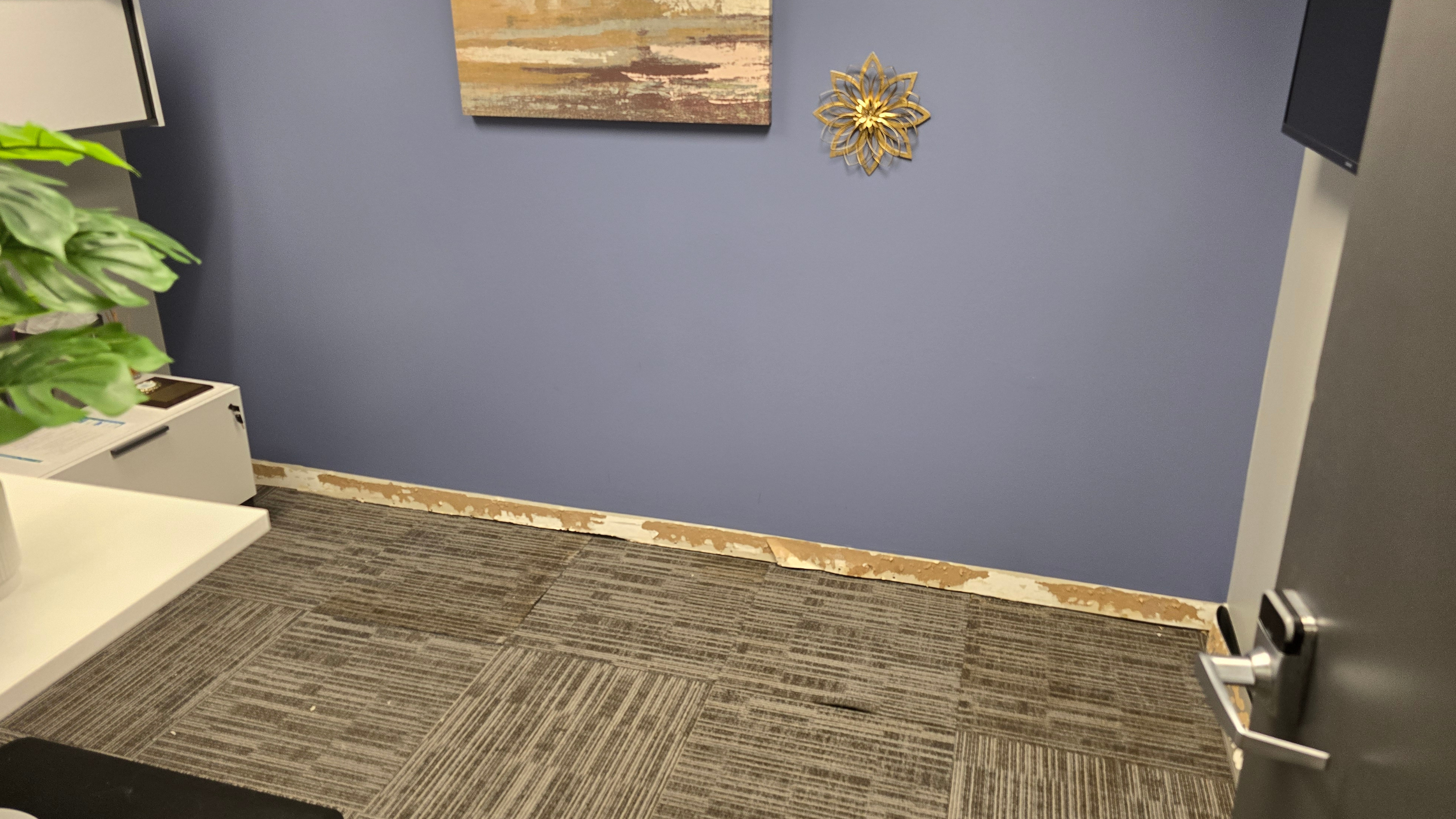
In this case, the concern was focused on two ground-floor hotel offices where water intrusion had been occurring along an approximately 22-foot section of wall. The wall itself was concrete, and behind it was a significant retained soil condition—described in the field notes as a 20-foot “mountain” of soil.
That combination matters. Whenever a concrete wall is holding back a large mass of soil, the structural system behind the wall becomes just as important as the wall itself. If the retained soils weaken, shift, or create pressure conditions that are not properly managed, the wall may begin showing symptoms ranging from moisture infiltration to long-term structural stress.
The client did not need the wall lifted, moved, or rebuilt. The objective was much more specific:
This is where a focused soil stabilization approach made sense.
When people think about water intrusion, they often focus only on the visible symptom: moisture entering the room. But in many cases, intrusion is only part of the larger story. If a wall is holding back substantial soil, and that soil mass is not behaving consistently, the resulting pressure, voiding, or movement can contribute to a range of problems over time.
In this project, the client already understood that water-related conditions are never simple. They were fully aware that no contractor can guarantee that water will never reappear after installation. That expectation was discussed openly before work began. Still, because a similar method had worked well for them on another project, they wanted to proceed with a stabilization-first strategy that could improve the conditions behind the wall and reduce ongoing risk.
This is an important point: the goal was not to sell certainty where certainty is impossible. The goal was to provide a strong, technically appropriate repair that addressed the soil-side condition driving the problem.
A 20-foot retained soil mass places substantial pressure on any wall system, even one made of concrete. That pressure may not always create visible cracking right away. Sometimes the first signs appear more subtly, through dampness, water intrusion, or localized wall distress.
Over time, heavy retained soil can contribute to problems such as:
For a resort property, those conditions are especially problematic because small building issues can escalate into guest-facing maintenance problems if not handled early.
That is why this job was best approached as a soil stabilization and ground improvement project rather than a superficial waterproofing attempt.
Although the actual treatment area was relatively contained, the project still involved several important challenges.
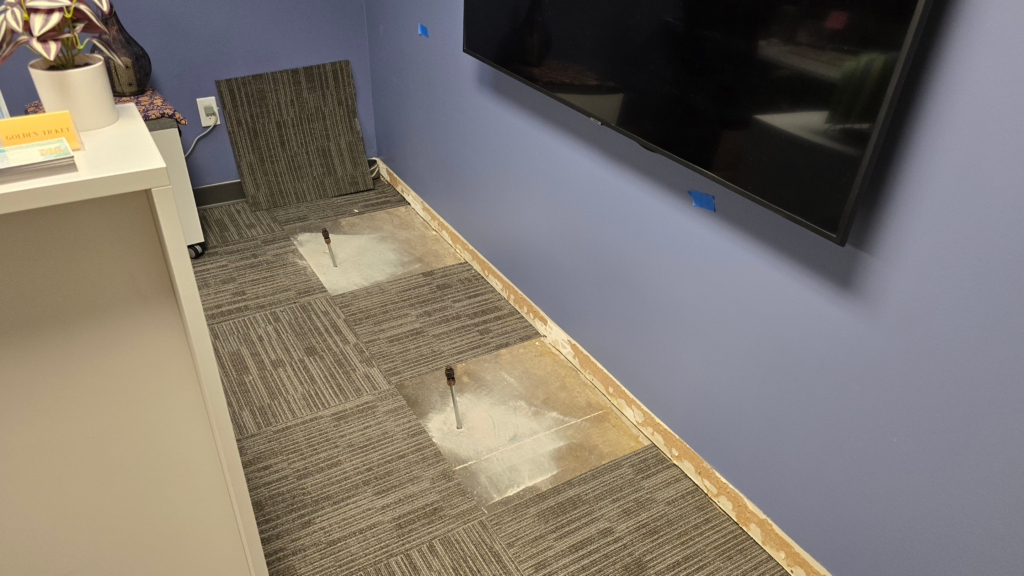
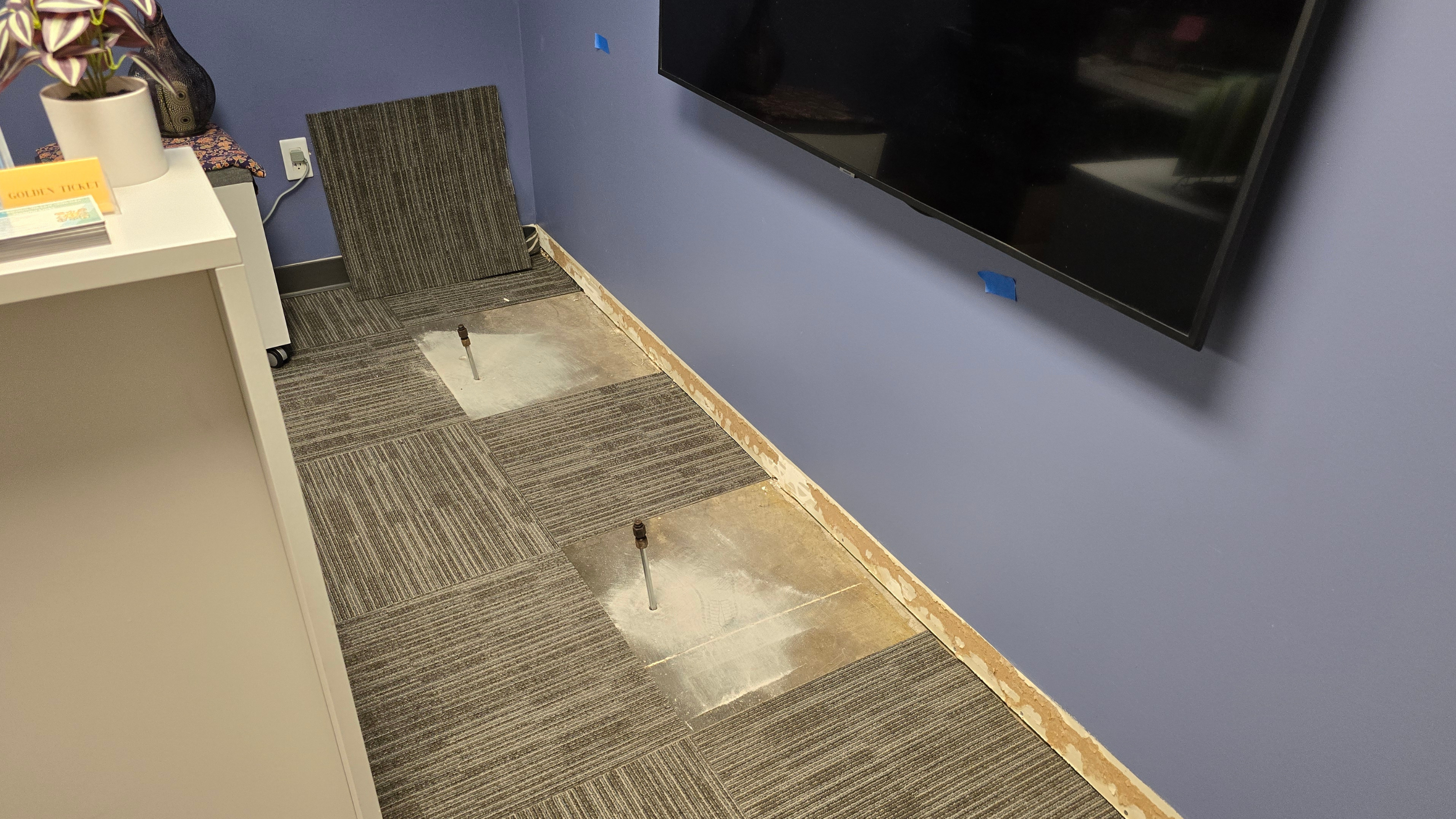
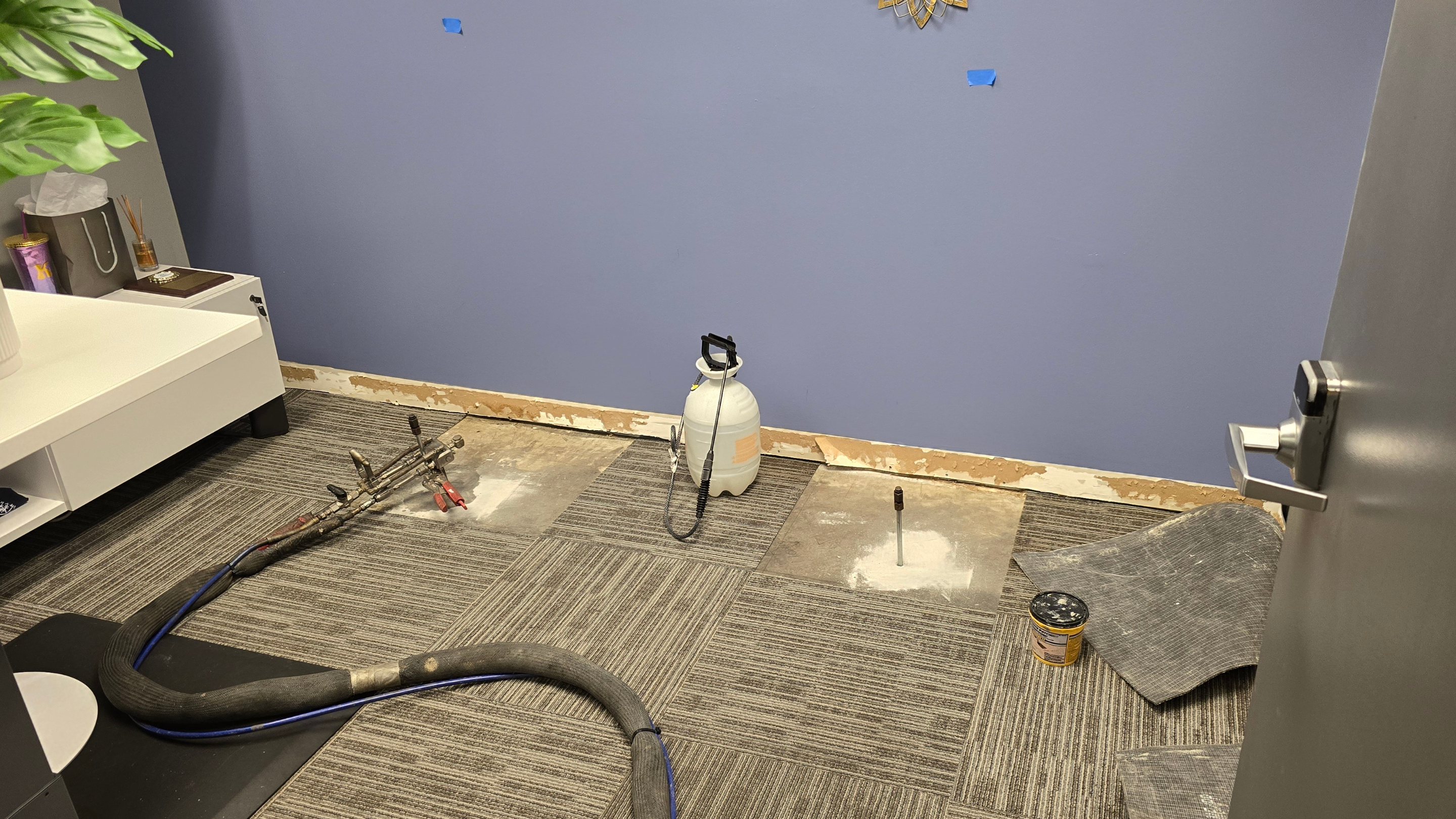
The project required Helicon to stabilize the wall from the inside. That meant the work had to be performed carefully within occupied commercial space, not from an open construction site. Interior work always raises the bar for cleanliness, control, and coordination.
The walls were concrete, which meant the team needed to plan injection access carefully and target the area tightly. The owner specifically wanted the treatment to cover the affected zone as completely as possible in order to minimize any possible water intrusion moving forward.
To prepare for the work, the customer planned to remove the baseboards before injections and replace them afterward. That detail might sound small, but it shows the importance of coordination in a commercial setting. A good stabilization project is not just about injecting material. It is also about sequencing the work so that interior finishes can be protected and restored cleanly afterward.
The customer knew and accepted that Helicon could not warrant that water would never return. That honesty matters. It allowed the project to focus on what the method could realistically accomplish: improving the soil condition and reinforcing the wall from the inside so the retained soil mass would no longer affect the wall in the same way.
Helicon selected two-part structural polyurethane foam injections as the best-fit solution for this project. This method offered the right balance of control, performance, and minimal disruption for a high-end hotel setting.
Two-part structural polyurethane is especially effective when a project requires targeted stabilization in a confined or sensitive area. In this case, it offered several advantages:
This was a true soil stabilization application, not a slab-lifting or underpinning job. The purpose was to improve the condition behind the wall and help the structure resist the retained soil load more effectively.
The two-part structural polyurethane injections were used to strengthen the support condition behind the wall from the inside. In practical terms, the treatment helped:
As described in the field notes, the intent was to stabilize the wall from the inside “so that the 20 ft mountain of soil outside won’t affect it any longer because of the strength behind it.”
That summary captures the real value of the repair. The wall itself was not the only focus. The support system and soil behavior behind it were just as important.
One of the strengths of this project was its clarity of purpose. No lift was planned or needed.
That matters because some structural repair methods are chosen with the hope of correcting visible elevation differences or physically moving structural elements. This was not that kind of project. The client needed stabilization, not repositioning. By keeping the objective focused, Helicon was able to deliver a more precise and realistic solution.
In commercial repair work, that discipline is important. The best solution is not the most dramatic one. It is the one that matches the real problem.
After the injections were completed, the treated wall area had a significantly improved support condition behind it.
Most importantly, the project gave the owner a rational and professionally executed response to a problem that could have continued worsening over time.
This project is a strong example of why smart property owners act before problems become structural emergencies. The Four Seasons team did not wait for severe wall distress or a major interior failure. They recognized that the combination of water intrusion and heavily retained soil justified action now.
That early decision delivered several benefits:
For high-value hospitality properties, this kind of proactive repair strategy is often the difference between a manageable maintenance project and a much larger capital problem later.
Helicon is Florida’s trusted expert in soil stabilization, foundation repair, concrete lifting, seawall repair, and sinkhole remediation. We work with property owners across the state to deliver engineered repair solutions that address structural problems at the source.
If your property is dealing with water intrusion, retained soil pressure, or interior-side wall instability, Helicon can help. Our team provides targeted soil stabilization solutions for residential, commercial, and hospitality projects throughout Florida.
Call 844-HELICON to schedule a free inspection and learn whether structural polyurethane injections are the right fit for your project.
FREE INSPECTION REQUEST