
Clearwater, Florida
The Project
The Challenge
The Solution
FREE INSPECTION REQUEST
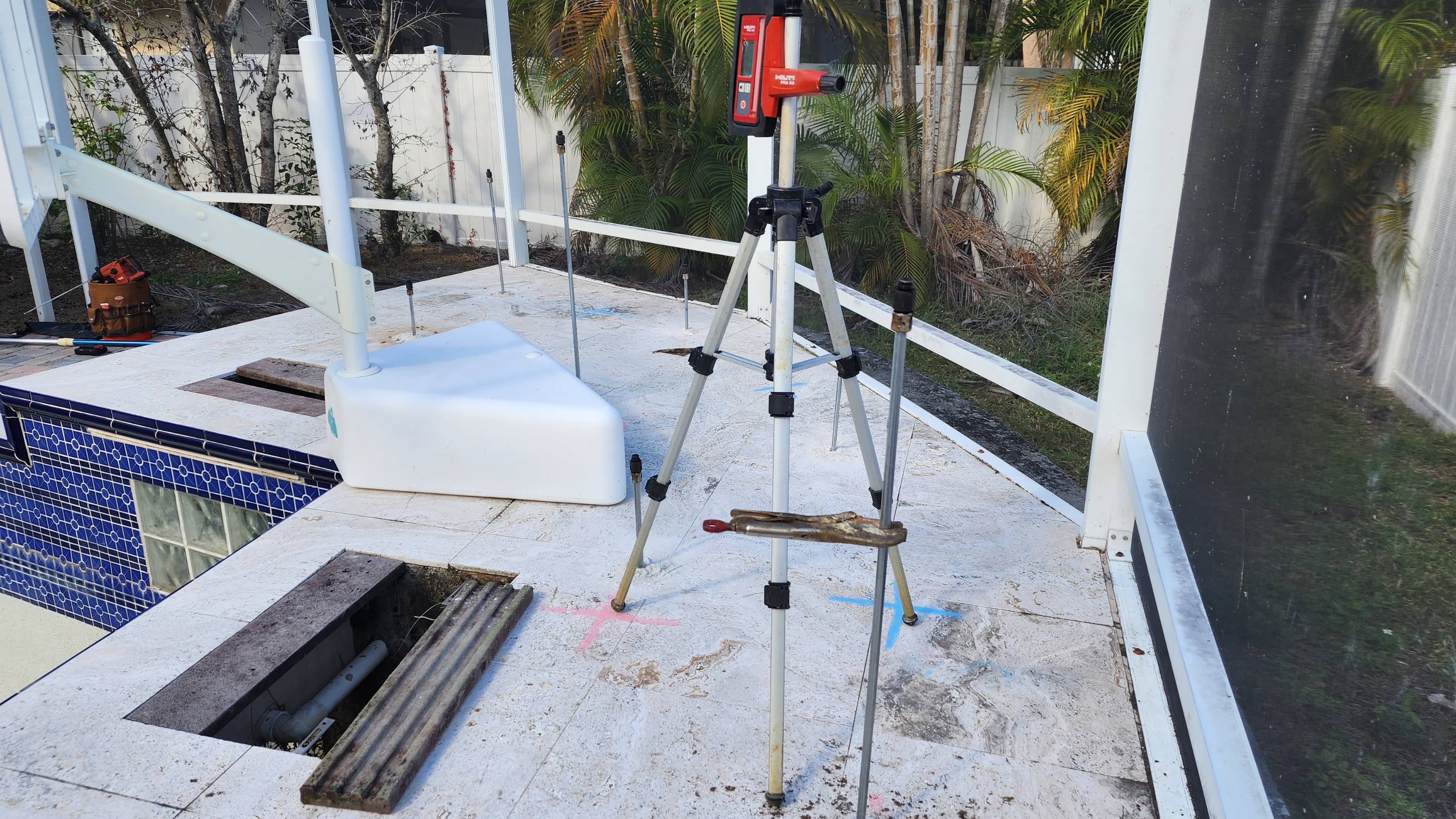

Market: Residential
Solution: Concrete Repair and Soil Stabilization
Services: Two‑Part Structural Polyurethane Injections (Soil & Slab)
Property Overview
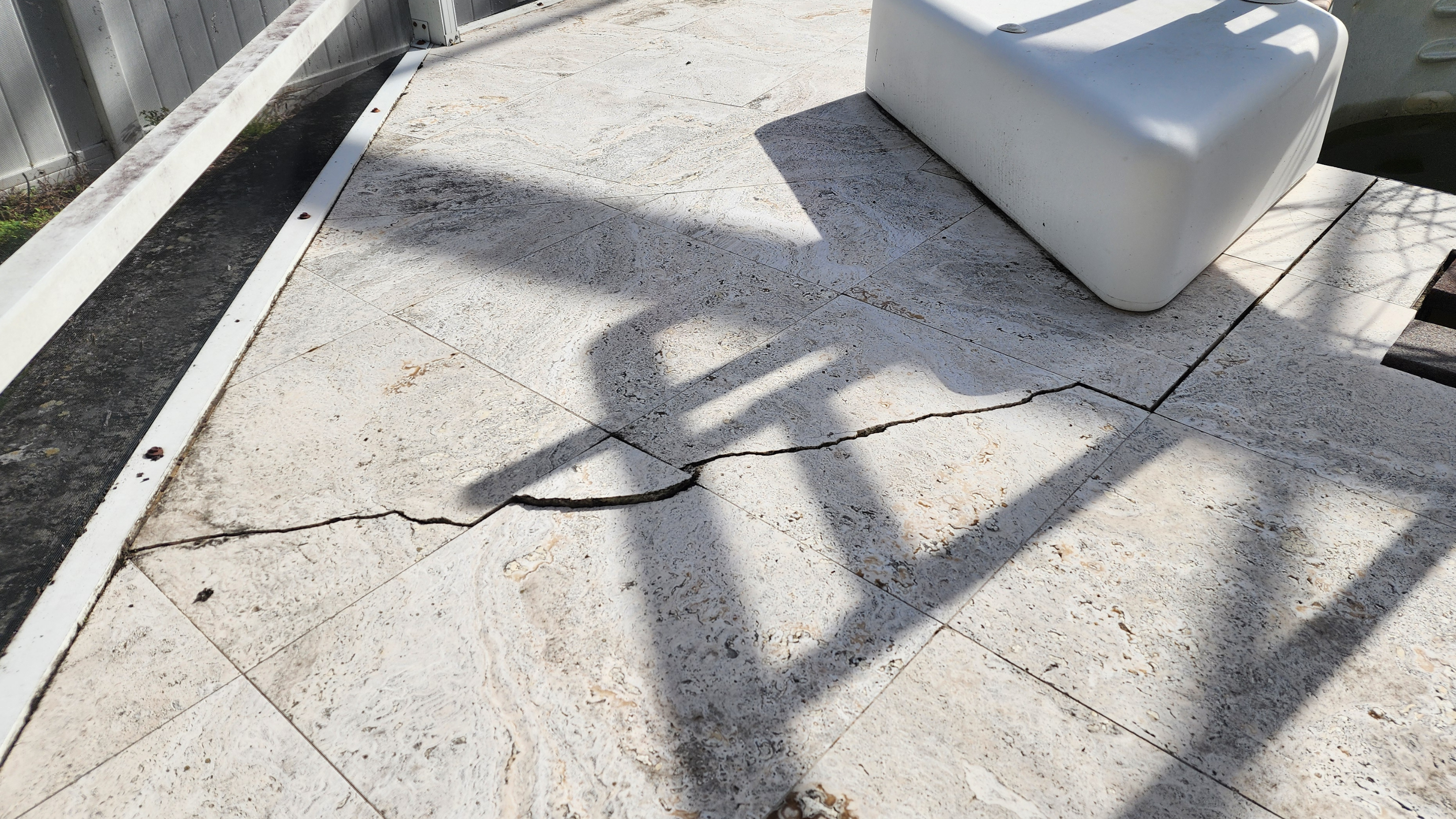
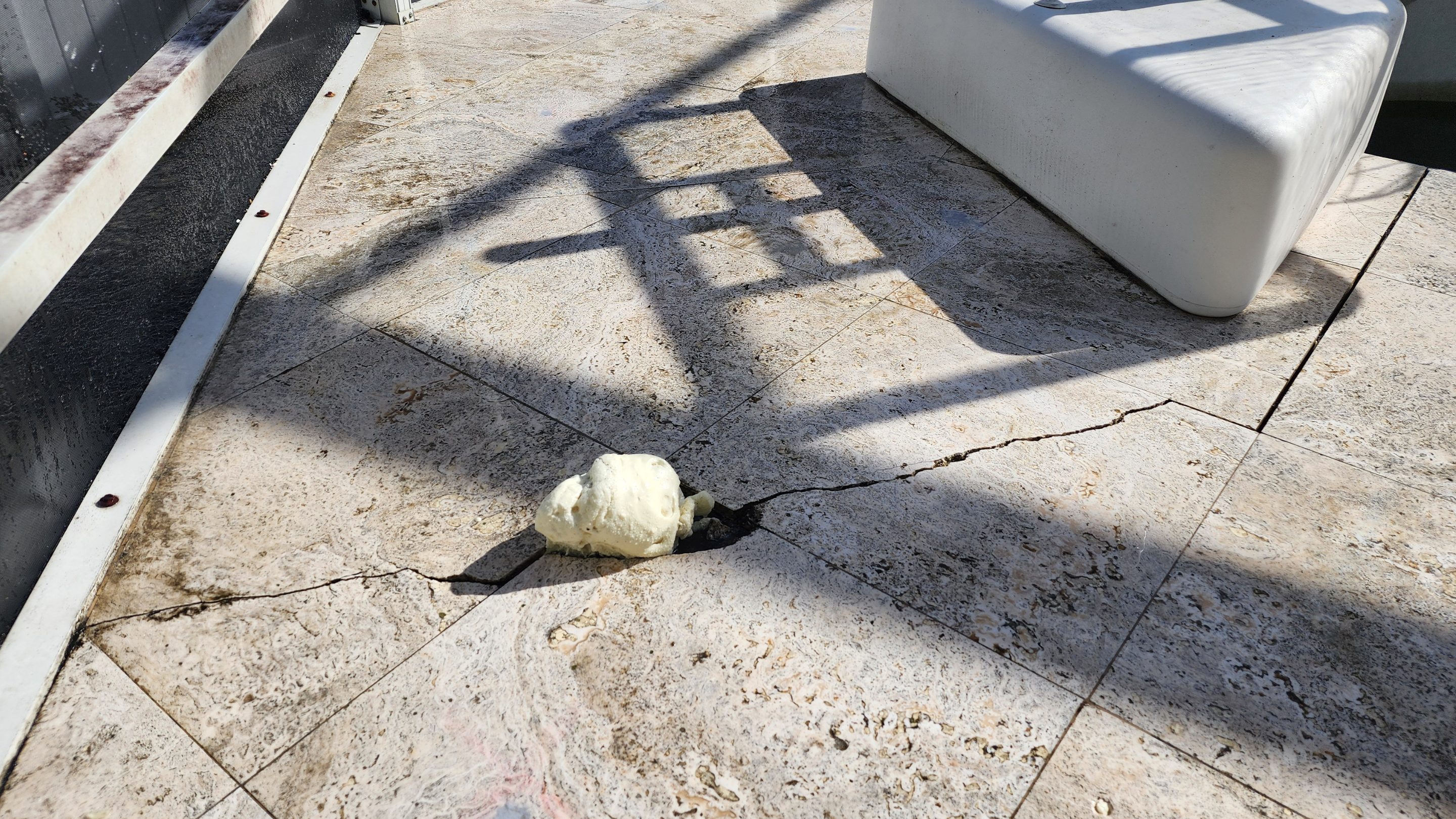
The homeowner first noticed that several tiles around the pool deck had begun separating, and small signs of unevenness appeared along the deck surface. While cosmetic damage was the most visible symptom, the underlying issue was more significant.
Pool decks are typically constructed on shallow concrete slabs that rely heavily on consistent soil support beneath the slab. When the supporting soil erodes, compresses, or washes away, voids can form beneath the concrete. These voids allow the slab to settle or shift, creating visible cracking or tile separation.
Recognizing that repairing the tiles alone would not fix the underlying issue, the homeowner sought a professional solution before moving forward with cosmetic improvements.
Understanding Soil Movement Beneath Pool Decks
In Florida—especially in coastal communities like Clearwater and throughout Pinellas County—pool deck settlement is often caused by subsurface soil movement.
Common causes include:
When these factors occur, the soil beneath the slab may no longer provide consistent support. As a result, sections of the concrete deck may sink, crack, or tilt.
Without proper soil stabilization and concrete repair, cosmetic fixes such as tile replacement or surface patching will almost always fail because the underlying soil problem remains.
While polyurethane injection technology is highly effective, the project presented a technical challenge that required precision and experience.
Preventing Material Loss into the Pool
Because the deck surrounded an active swimming pool, Helicon technicians had to ensure that the injected polyurethane expanded beneath the slab only, without leaking into the pool structure.
This required precise placement of injection points and controlled material delivery to ensure the expanding foam filled the underground voids while remaining contained beneath the concrete.
Targeting the Correct Soil Zones
For concrete repair and soil stabilization to be successful, the material must reach the exact voids or weak soil zones responsible for the settlement. Injecting material into the wrong areas could waste material and fail to correct the structural issue.
Helicon technicians carefully mapped the injection locations beneath the deck to ensure the polyurethane reached the areas where soil support had been compromised.
Working Around an Existing Pool Structure
Any repair performed near a pool requires careful planning to avoid damaging plumbing lines, the pool shell, or nearby hardscape features. The installation team used their experience with pool deck concrete repair and soil stabilization projects to ensure the injections were completed safely.
Fortunately, the installation process proceeded smoothly with no complications or material leakage.
Helicon recommended a dual‑approach repair strategy that addressed both the slab and the supporting soil.
This approach included:
Using two‑part structural polyurethane allowed technicians to correct the structural problem without excavation or demolition.
Two‑part structural polyurethane consists of liquid components that combine underground and expand rapidly when injected into soil.
Once injected, the material:
This process creates a stabilized soil matrix that provides consistent support beneath the concrete slab.
Polyurethane injection technology is widely used in modern concrete repair and soil stabilization projects because it provides fast results with minimal disruption.
Helicon technicians followed a precise installation process to ensure the pool deck stabilization was successful.
Step 1: Injection Point Layout
Technicians identified strategic injection locations beneath the slab to target the areas where settlement and voids had occurred.
Step 2: Slab Stabilization Injections
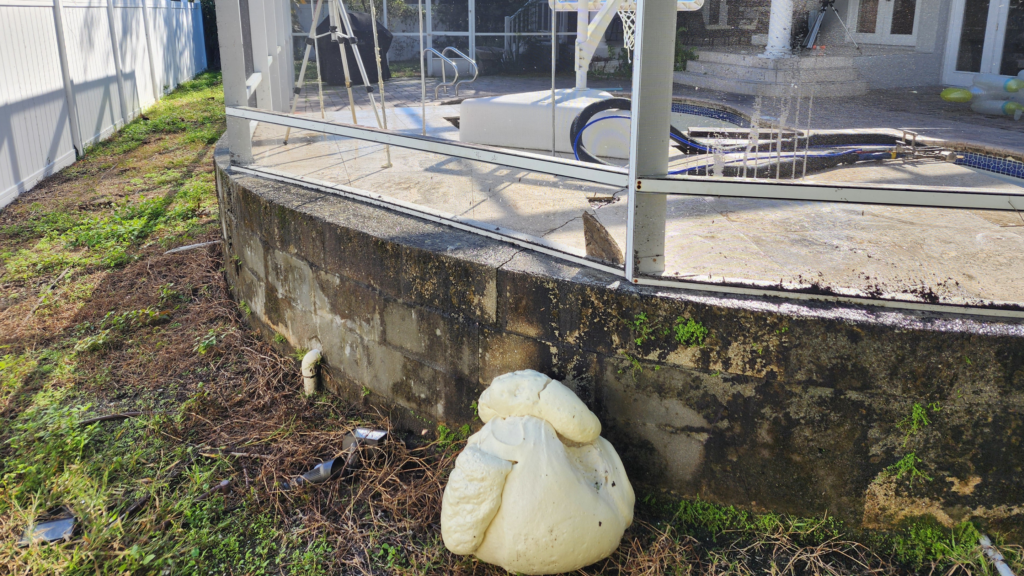
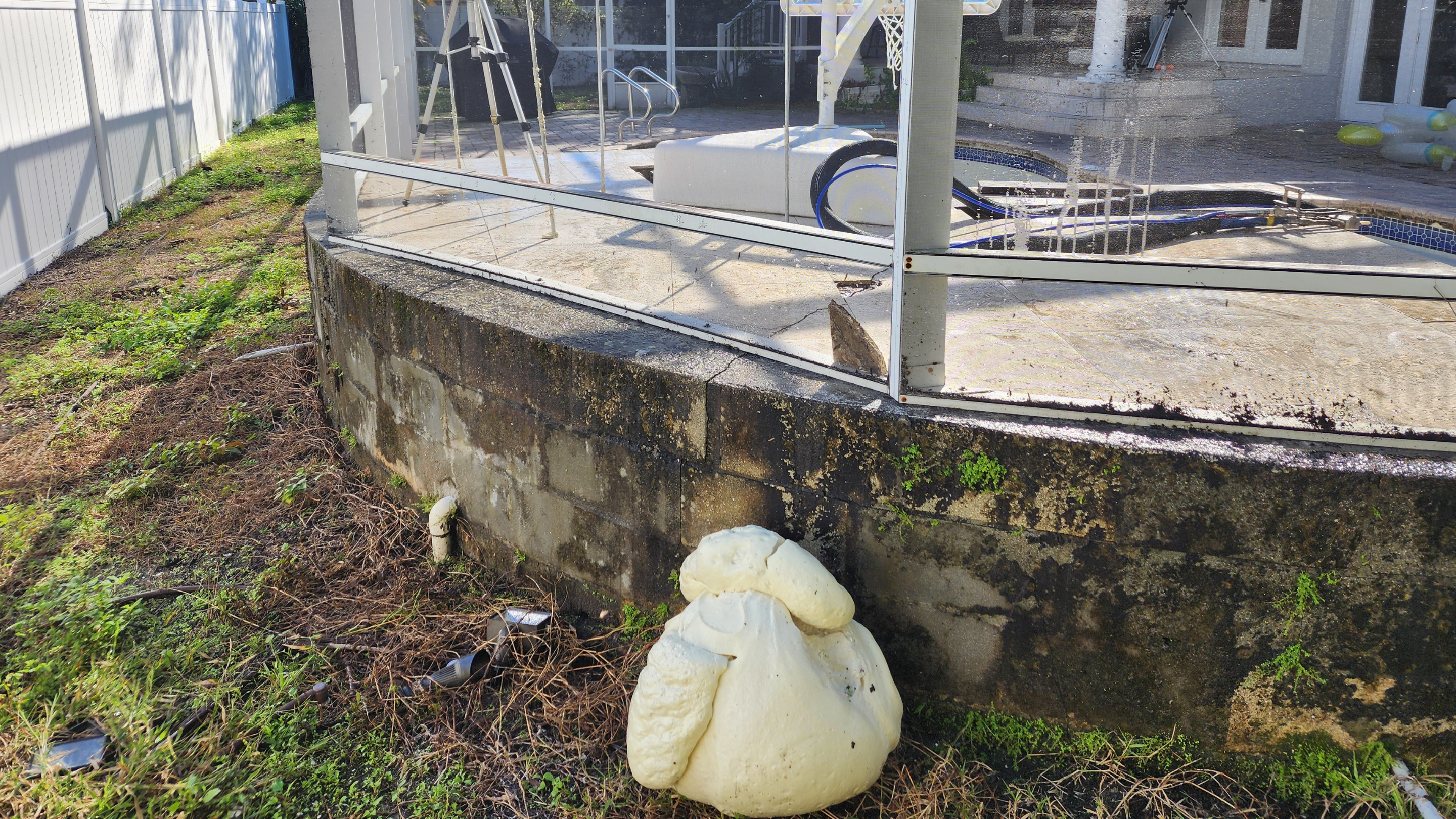
A total of 38 pounds of two‑part structural polyurethane was injected beneath the slab to restore contact between the concrete and the underlying soil.
These injections helped fill void spaces and provide direct support beneath the deck surface.
Step 3: Soil Stabilization Injections
To further strengthen the foundation beneath the slab, technicians performed soil stabilization injections totaling 140 pounds across seven injection points.
These injections penetrated deeper into the soil layers to densify loose material and prevent future settlement.
Step 4: Monitoring Soil Response
Throughout the injection process, technicians monitored the slab and surrounding soil conditions to ensure the material expanded properly and filled the targeted voids.
After the injections were completed, the pool deck structure was significantly more stable. The polyurethane created a reinforced soil foundation beneath the slab, reducing the risk of future settlement.
Key Benefits of This Concrete Repair & Soil Stabilization Project
Most importantly, the homeowner gained peace of mind knowing that the underlying soil conditions had been professionally stabilized before cosmetic repairs were performed.
Many homeowners attempt to address pool deck issues by replacing tiles or patching cracks. However, cosmetic repairs alone do not solve the root cause of settlement.
Professional concrete repair and soil stabilization focuses on correcting the subsurface conditions that allow slabs to move. By stabilizing the soil beneath the deck, Helicon ensured the structure will remain stable long after the cosmetic work is completed.
Helicon is Florida’s trusted partner for foundation repair, soil stabilization, concrete lifting, and sinkhole remediation. We serve homeowners across Sarasota County and the Suncoast, delivering engineered, minimally disruptive solutions that protect your property for the long term.
Noticing uneven panels, gaps, or trip edges on your driveway in Osprey, Nokomis, or Sarasota? Helicon’s concrete lifting and soil stabilization program restores support and improves elevation—often in one day. Call 844‑HELICON or fill out the form to schedule a free inspection and get a plan tailored to your home.
FREE INSPECTION REQUEST