
Bonita Springs, Florida
The Project
The Challenge
The Solution
FREE INSPECTION REQUEST

Market: Residential
Solution: One-Part Permeation Polyurethane Injections
Services: Seawall Repair
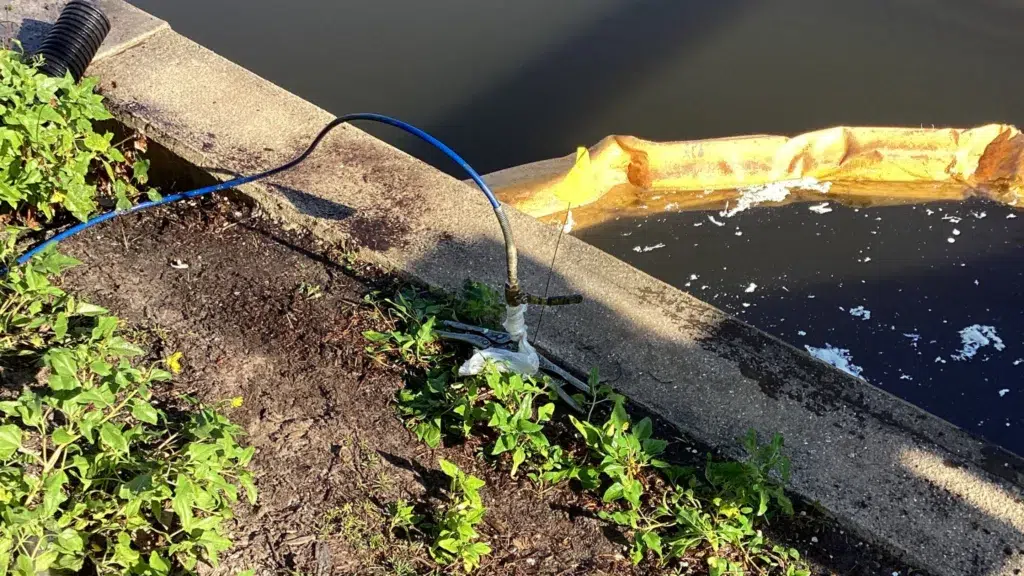
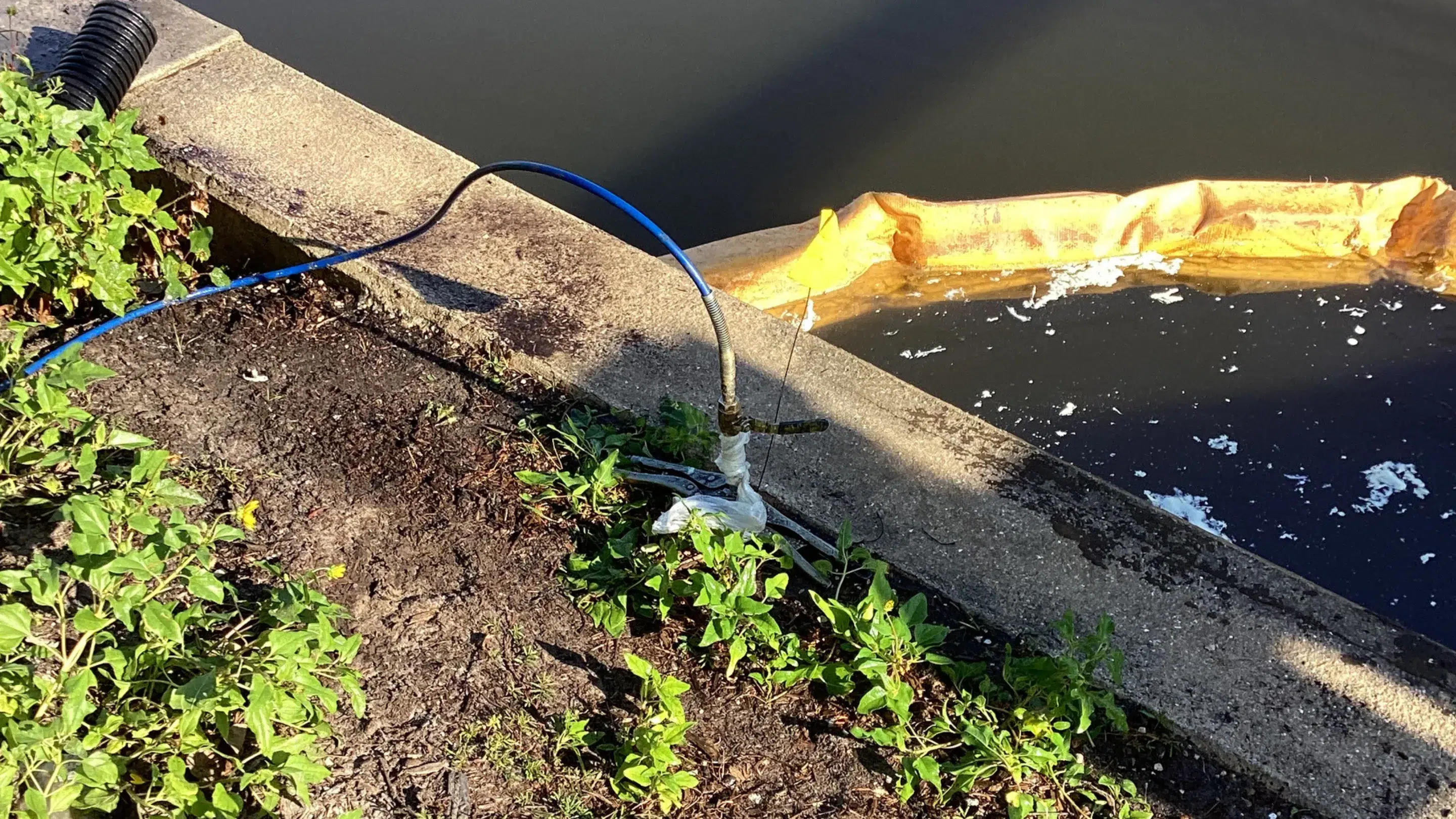
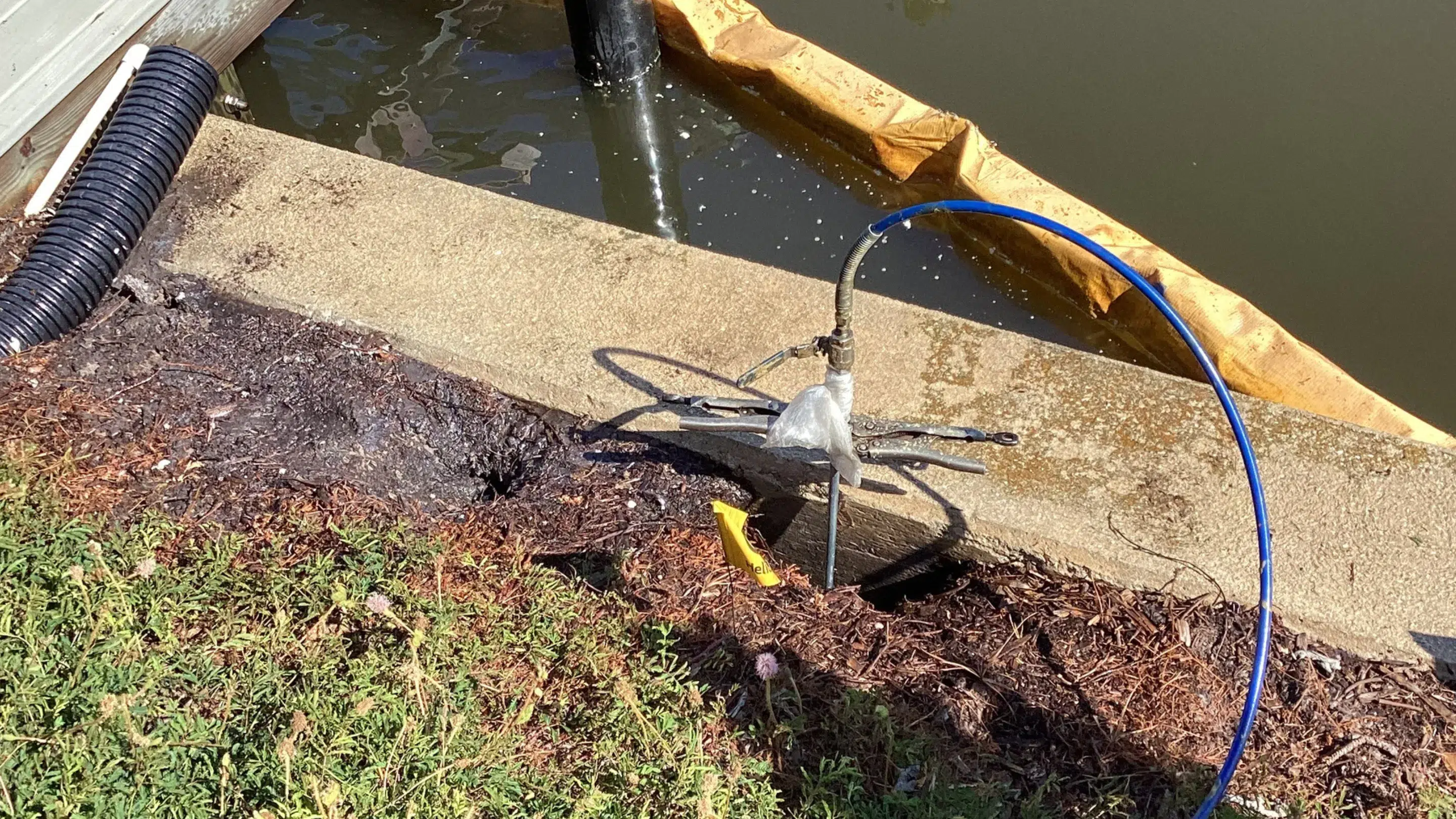
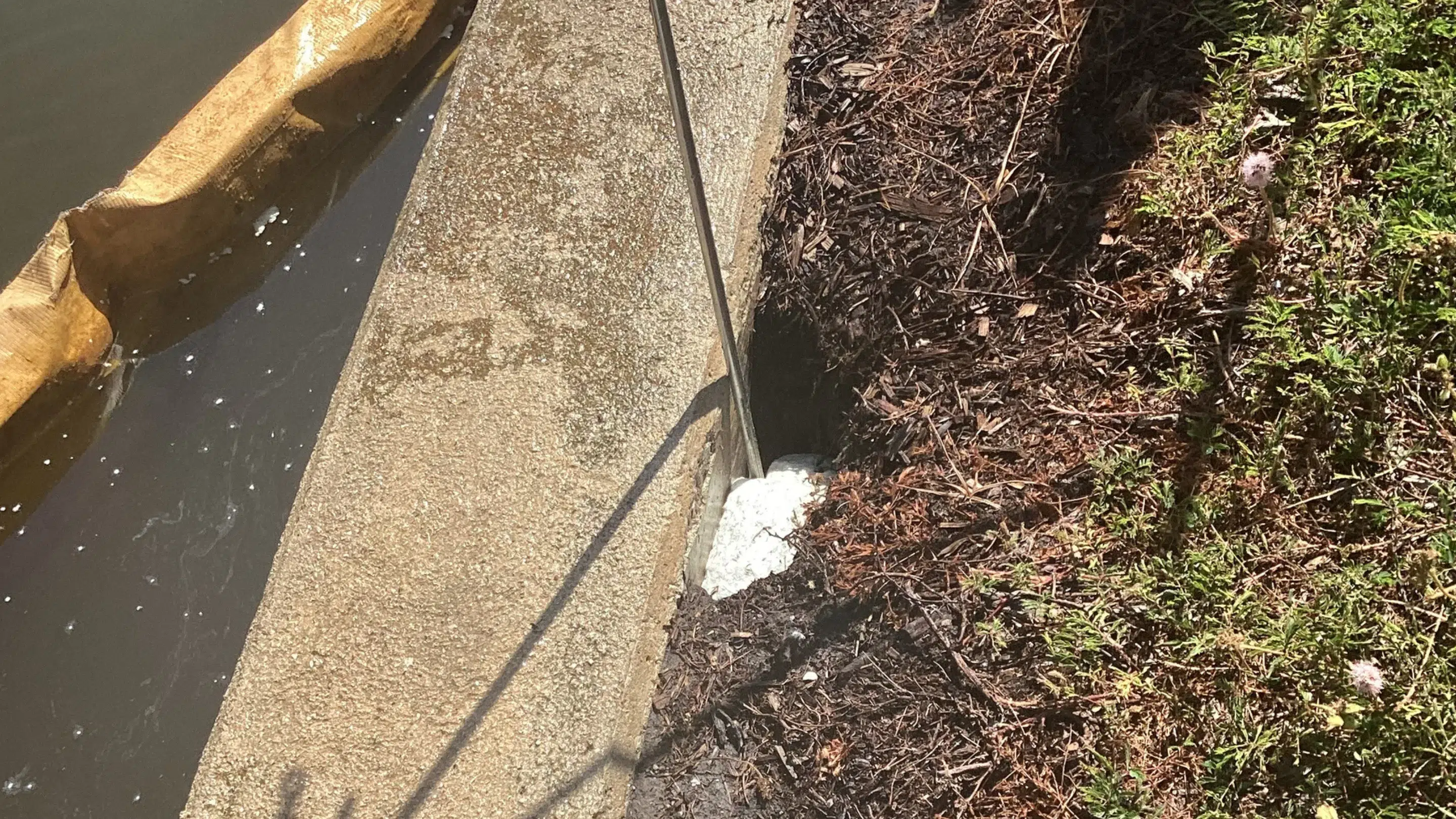
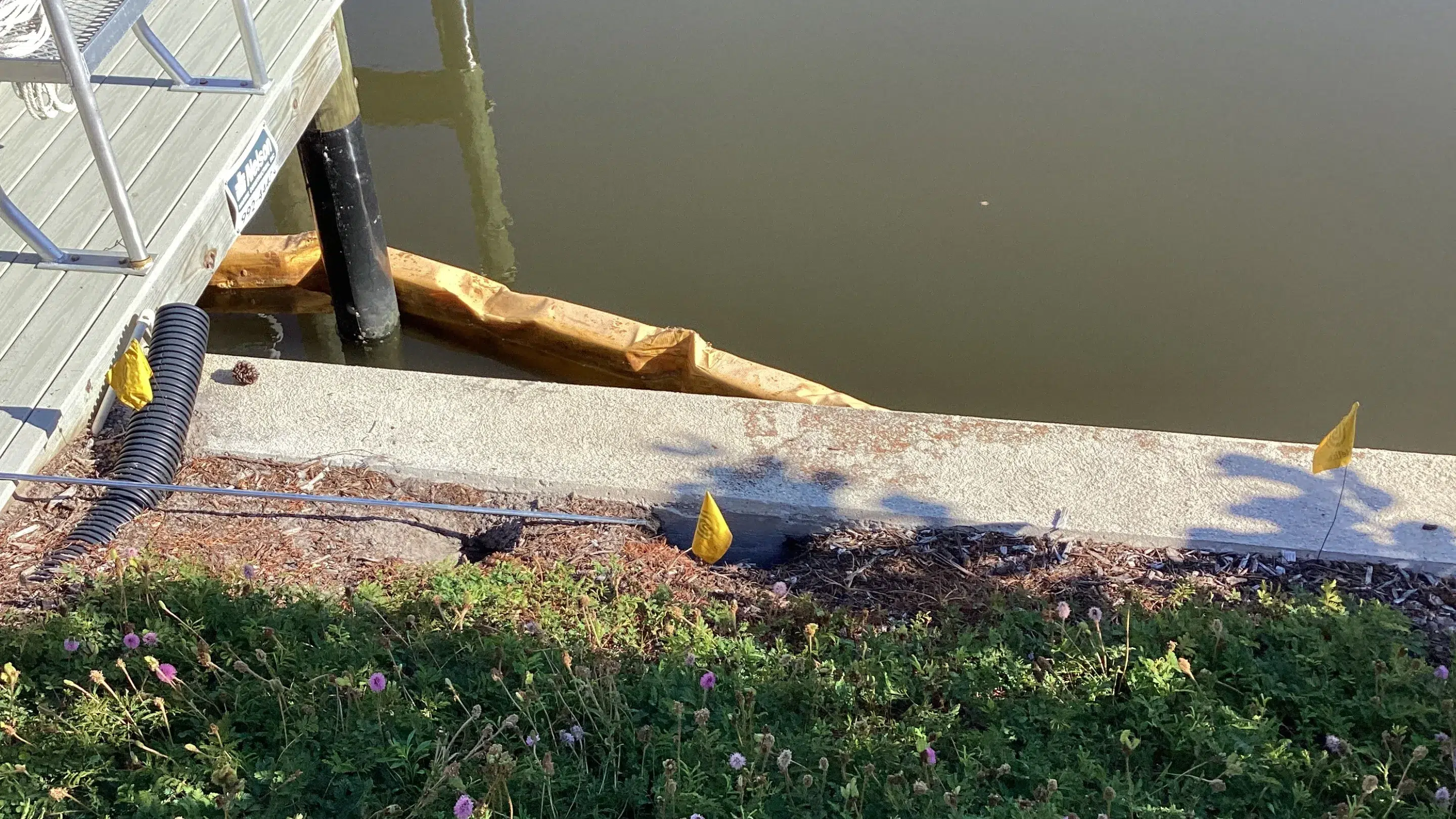
The homeowner originally contacted Helicon because of a large depression on the left side of the seawall and another problematic area near the jet ski lift. As the site was reviewed more closely, it became clear that the visible sinkage was only part of the story. Probing across the entire wall line showed that the soils behind the seawall were loose in multiple zones, meaning the wall had a broader support problem than the surface features alone suggested.
This kind of condition is common in aging waterfront systems. A seawall may still appear mostly intact from the waterside, while the land-side support behind it has already started to break down. Small voids become larger depressions. Minor washout points widen over time. And what starts as a few holes can eventually become a much larger repair if the wall loses enough support.
For this homeowner, the issue became urgent the moment one of those depressions turned into a personal safety event.
Why Seawall Depressions Are a Serious Warning Sign
A depression behind a seawall is rarely just “a hole in the yard.” In most cases, it indicates that soil has been migrating out of the retained side of the wall and into the canal or waterway. That migration often occurs because water is finding a way through or around the seawall system and carrying fines with it.
Over time, this process can create:
In a residential setting, this creates both structural and safety concerns. Once a person can fall into one of these depressions, the issue has moved beyond maintenance and into liability and injury risk.
That is why effective seawall repair must focus on the condition behind the wall, not just the visible hole at the surface.
The field summary for this project identified the real challenge clearly: the repair depended on finding where the water was entering and exiting the seawall. That is the critical issue in almost every washout-related waterfront failure.
The major concern was not simply that holes had formed. It was that water was moving through the seawall in a way that allowed soil to leave with it. That means any temporary fill at the surface would almost certainly fail again unless the subsurface path was stabilized.
This was not a one-hole repair. Probing showed very loose soils all along the wall, which meant Helicon had to treat the seawall as a system. Spot-filling only the largest depression would not have been enough. The broader support condition behind the wall needed to be improved.
The homeowner wanted to act before the problem got worse—and that was the right decision. Once a seawall starts showing multiple depressions, the structural risk increases with time. Continued water infiltration and soil loss can enlarge the void network, increase unsupported areas, and make future repairs more invasive and costly.
Because the homeowner had already fallen into one of the depressions, the site had an active safety hazard. The repair needed to not only strengthen the wall system, but also eliminate those hazardous ground conditions as part of the process.
Helicon selected one-part permeation polyurethane grout for this project because it is well suited to the type of hidden support loss common behind seawalls. Unlike surface patching or simple top fill, permeation grout can move into voided or weakened subsurface zones and improve support where the washout is actually happening.
What the Grout Needed to Do
The repair strategy had several goals:
This is what made the repair more than cosmetic. The objective was not just to make the yard look smooth again. The goal was to interrupt the mechanism that had created the sinkage in the first place.
Material Installed
To complete the stabilization, Helicon used:
Those materials were used to support the wall from behind and eliminate the depressions in a more meaningful way than simple backfill alone could provide.
Follow-Up Water Management
After the stabilization work was complete, 9 JET filters were installed by a trusted partner. These filters play an important supporting role in a waterfront system by helping manage water movement and reducing the chance that pressure and soil loss will continue building behind the wall.
Why This Seawall Repair Approach Worked
This project succeeded because the repair addressed both the soil condition and the water movement issue.
Soil Stabilization Behind the Wall
The grout improved the support condition in the loose, washed-out areas behind the seawall. By filling and reinforcing those zones, the repair reduced the chance that the visible depressions would continue enlarging.
Reduction of Future Washout Risk
By targeting the pathways where water was entering and exiting, the repair reduced the mechanism responsible for ongoing soil loss. That is one of the most important principles in effective seawall repair: fill the void, but also disrupt the process that created it.
Added System Value with JET Filters
The installation of JET filters gave the wall additional long-term value by helping regulate water movement more effectively after the grout work was done.
Results and Benefits
After the work was completed, the property had a significantly more stable support condition behind the seawall.
Key Project Outcomes
Most importantly, the homeowner no longer had to worry that the visible sinkage was quietly signaling a larger hidden failure in progress.
Why Early Seawall Repair Matters
Seawall issues almost always become more expensive when delayed. Small holes at the surface can indicate much larger voids below. And because the most serious damage happens out of sight, many owners underestimate the urgency until the problem has already advanced.
This project shows why early action matters:
In waterfront construction and maintenance, that is the smarter path.
About Helicon
Helicon is Florida’s trusted expert in seawall repair, soil stabilization, foundation repair, concrete lifting, and sinkhole remediation. We serve homeowners throughout Bonita Springs, Lee County, and coastal Florida, delivering engineered ground-improvement solutions that protect property from the shoreline to the slab.
If you are seeing depressions, loose soils, or signs of washout behind your seawall in Bonita Springs, Estero, or Southwest Florida, Helicon can help. Our team provides targeted seawall repair and waterfront stabilization solutions designed to protect your property before a small void becomes a major structural problem.
Call 844-HELICON today to schedule your free inspection and learn how early repair can protect your seawall, your yard, and your peace of mind.
FREE INSPECTION REQUEST