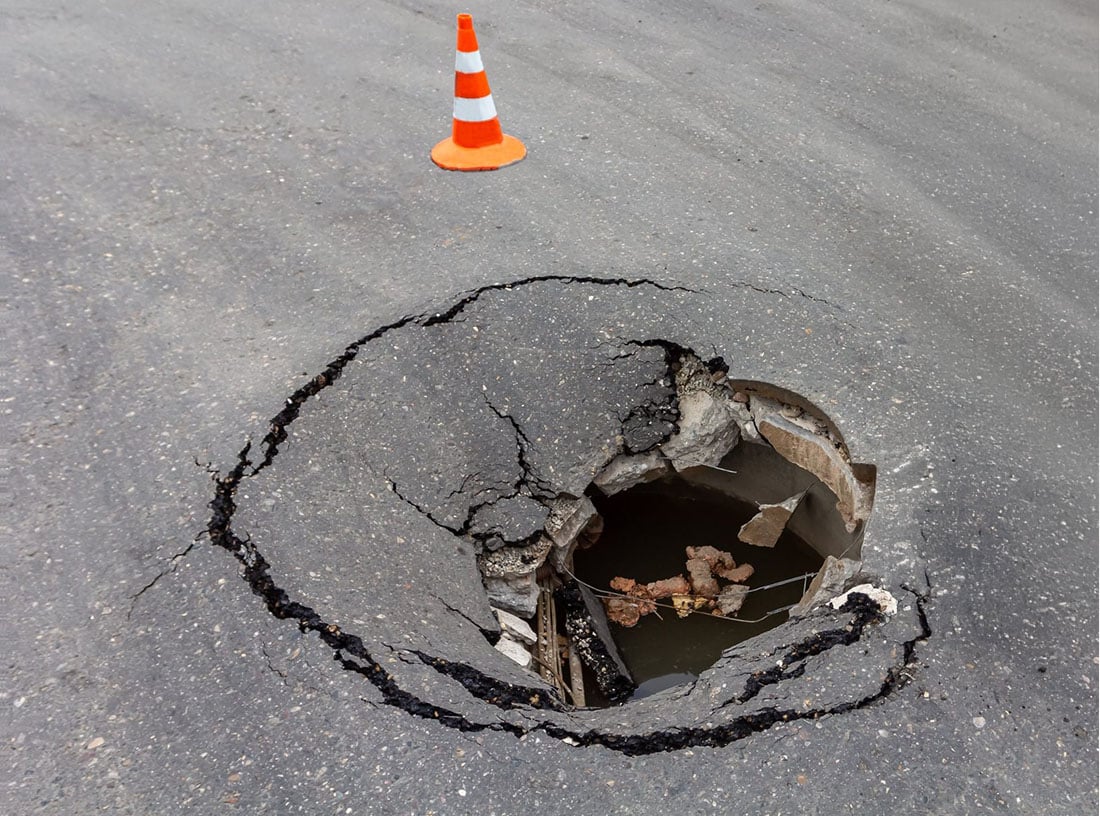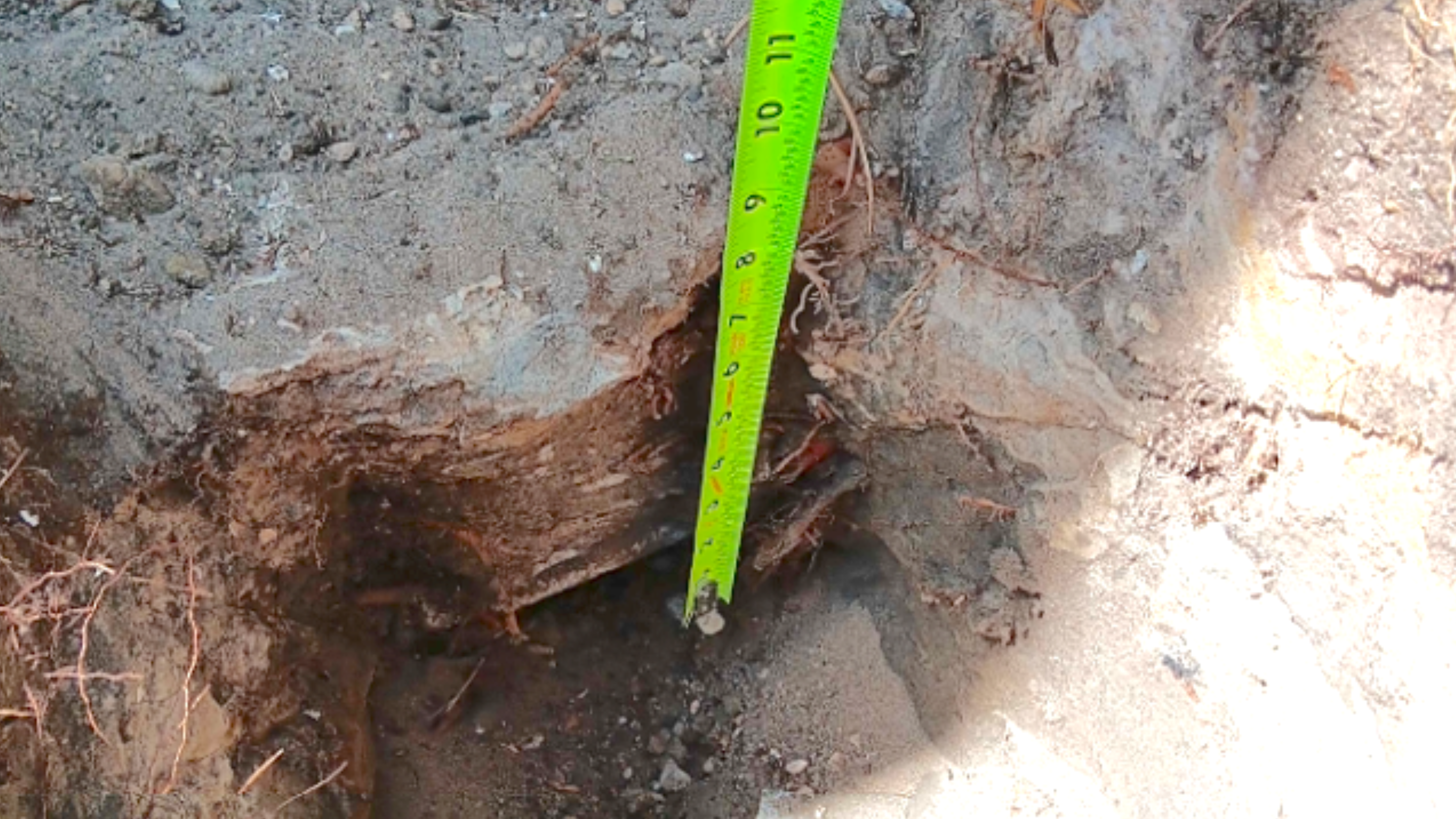
Soil problems can quietly undermine a project before construction even begins. If the ground cannot safely support the weight, you may face settlement, cracks, or costly redesigns. Learning how to improve soil bearing capacity helps prevent these issues and protects your investment.
Many homeowners and builders run into weak soil caused by moisture, loose fill, or poor drainage. Helicon works with these challenges every day, helping property owners understand what their soil can withstand and how to strengthen it before problems arise.
This guide breaks down practical, proven ways to improve soil bearing capacity. You’ll learn what affects soil strength, how to test it, and which improvement methods make sense for different site conditions and budgets.
What Is Soil Bearing Capacity
Soil bearing capacity is basically how much weight the ground beneath a building can hold before it gives way or settles too much. The strength of your soil shapes the type of foundation you’ll need and whether your structure stays stable in the long run.
When engineers talk about bearing capacity, they’re really measuring how many pounds per square foot the soil can support. Weak soils might only handle about 1,000 pounds per square foot. Stronger soils? Sometimes 4,000 pounds or more.
Shear failure occurs when soil pushes out from under your foundation, causing the structure to sink or tilt. Excessive settlement is when the soil compresses too much, even if it doesn’t fully fail.
You really need to know your soil’s bearing capacity before designing a foundation. Otherwise, you risk cracks or structural damage as time goes on.
Importance for Construction
Your foundation design depends on the soil’s ability to carry the building’s weight. If you build on soil that’s too weak, you might see uneven settling or worse.
Undersized foundations can lead to failure and safety issues. Oversized ones just waste money and materials. Getting the bearing capacity right saves you from both headaches.
Building codes require soil bearing capacity tests before construction. That protects you, anyone who’ll use the building, and even your neighbors.
Understanding your soil’s strength helps you choose the right foundation type. Strong soils work with shallow foundations. Weak soils? You’ll need deeper foundations or some kind of soil improvement.
Factors Affecting Soil Strength
Soil type is the big one. Clay, sand, gravel, and rock all behave differently under load.
- Clay: Strong when dry, but it gets much weaker when wet.
- Sand: Decent bearing capacity if it’s dense and compacted.
- Gravel: Offers great bearing capacity and drains well.
- Rock: The champ—highest bearing capacity by far.
Moisture content changes how soil acts under pressure. Water fills the gaps between particles, reducing friction and weakening the soil. If the soil is saturated, bearing capacity can drop by half compared to dry conditions.
Soil density matters too. Dense, compacted soil resists compression better than loose stuff. You can boost bearing capacity just by compacting the ground properly before you build.
The depth of your foundation also comes into play. Generally, the deeper you go, the stronger the soil gets, since the weight above compresses the layers below.
Assessing Current Soil Conditions
Before you can improve soil bearing capacity, you need to know what you’re working with. Testing the ground through site investigations and lab analysis reveals soil type, strength, density, and moisture content; all of which decide how much load your foundation can handle.
Site Investigation Methods
Before starting any improvement, you need to figure out what’s below the surface. Geotechnical engineers use a few methods to check your site and gather data on soil layers.
Boring and drilling are the go-to moves. They create holes in the ground and collect samples at different depths. That shows you how soil properties change as you dig deeper.
Test pits are another option. By digging open holes, you get to see the soil layers directly—great for shallow foundations where you want a closer look.
Geophysical surveys use surface equipment to detect changes in soil composition without digging. They’re faster and cheaper but won’t give you physical samples.
Soil Testing Techniques
Once you’ve got samples, field and lab tests measure the properties that affect bearing capacity. These tests give you the numbers you need to design safe foundations.
Field Tests:
- Standard Penetration Test (SPT): Measures resistance as a hammer drives a sampler in.
- Cone Penetration Test (CPT): Pushes a cone-shaped probe to measure soil strength as you go.
- Plate Load Test: Applies pressure to the soil surface to see how it settles under load.
Lab Tests:
- Direct shear tests measure how soil resists sliding.
- Consolidation tests show how much soil compresses over time.
- Moisture content and density tests reveal current soil conditions.
The plate load test is especially handy because it simulates actual foundation loads. You can see how your soil will react before you start building.
Identifying Soil Limitations
Test results help you spot problems that cut down bearing capacity. Knowing these issues guides your improvement strategy.
High moisture content is a big problem, especially in clay. Water fills the spaces between soil particles, reducing shear strength. Saturated clay just can’t support much water pressure builds up in the pores.
Low density means loose soil that compresses easily. Granular soils like sand and gravel need good compaction to get decent bearing capacity. If your tests show low density, expect the soil to settle under load.
Weak soil layers near the surface spell trouble for foundations. Even if deeper layers are strong, a soft upper layer can cause failure. Your site investigation must map the depth and thickness of each soil type.
Poor drainage keeps the soil wet and weak. If water can’t drain away, you’ll keep running into bearing capacity problems. You’ll need drainage solutions along with soil improvement.
Soil Improvement Techniques
You can turn weak soil into a stable foundation with proven methods that change its physical properties or add reinforcement. These range from mechanical tweaks to more advanced material applications.
Mechanical Compaction
Mechanical compaction boosts soil density by squeezing out air between the particles. You use heavy machinery—vibratory rollers, plate compactors, rammers—to pack the soil tighter.
This works best for granular soils like sand and gravel. You’ll notice a big jump in bearing capacity once the soil gets denser. Usually, you add soil in thin layers (6 to 12 inches), compact each one, then move to the next.
Moisture content is key here. Soil compacts best at its optimum moisture, which depends on the type. Too much water? You get mud. Too little? The particles won’t settle right.
Soil Stabilization With Additives
You can change soil properties by mixing in chemical or mineral additives. Cement, lime, and fly ash are the big three. They react with soil and create stronger bonds.
Cement stabilization works fast and boosts strength in just a few days. You mix Portland cement with soil (5 to 14 percent by weight), and it hardens into a cement-soil blend that really ups the bearing capacity.
Lime stabilization is great for clay. Lime cuts plasticity and triggers chemical reactions that bind soil particles. It takes weeks to reach full strength, but the improvement lasts.
Fly ash is a budget-friendly option that also makes soil easier to work with. It reacts with lime and water to form cement-like compounds.
Preloading and Surcharging
Preloading compresses soil by adding temporary loads before construction. You pile on fill material or water tanks and leave them for months, or even years.
This squeezes water out of the soil pores, consolidating clay layers. The soil gets denser and stronger as it adjusts. Once you reach the desired consolidation, you remove the temporary load.
Surcharging speeds up the process by piling on more weight than the structure will eventually have. The extra load accelerates consolidation and gives you a safety margin. With the right design, you can cut waiting time from years to months.
Vertical drains often go hand-in-hand with preloading. These drains give water a shortcut out of clay soils, slashing consolidation time.
Geosynthetics and Reinforcement
Geosynthetics are synthetic materials that reinforce soil and boost its load-bearing chops. You place them within or below soil layers to spread loads more evenly.
Geotextiles are fabrics that separate, filter, and reinforce soil layers. They keep weak subgrade soil from mixing with stronger base material, all while letting water pass through.
Geogrids have a grid structure that lets soil punch through the openings. They lock with soil particles and spread loads across a wider area. These shine in roadbeds and retaining walls.
Geocells are honeycomb-like structures that trap soil in their cells. This stops lateral movement and increases effective bearing capacity.
These materials usually cost less than digging out and replacing soil, and you can install them quickly with minimal gear.
Drainage and Moisture Control
Water management is a huge deal for soil bearing capacity. Too much moisture weakens the soil and cuts down how much weight it can support.
Improving Water Drainage
Good drainage keeps water moving through the soil instead of pooling around foundations. You can add organic matter like compost to sandy soils to help them hold just enough water while still draining well.
For clay soils, organic matter creates clumps that open up bigger spaces between particles, letting water move through more easily. Installing drainage systems removes standing water before it can cause damage.
French drains, perforated pipes, and ditches all redirect water away from critical spots. You’ll want to slope the ground away from buildings—2% grade is a good minimum—to help water flow naturally.
Soil amendments can help drainage, but you need to match them to your soil type. Adding sand to clay rarely helps and can even make things worse.
Instead, work in aged compost, peat moss, or other organic material to a depth of 6-12 inches. Over time, these improve the structure and create better drainage paths.
Reducing Soil Saturation
Saturated soil just can’t hold much weight because water fills the gaps between particles, weakening the whole structure. You need to keep water from building up in the first place with good grading and surface water management.
Mulch around plants and bare soil cuts down on water absorption during heavy rain. A 2-3 inch layer of organic mulch helps regulate moisture without causing saturation. Avoid overwatering near structures or load-bearing areas.
Rain gardens or bioswales in low spots can capture and slowly release extra water. These keep water from soaking foundation soils while supporting plants. Permeable paving materials also let water pass through instead of running off into trouble spots.
Managing Groundwater Levels
High groundwater tables keep lower soil layers wet and weak. You need to factor in seasonal groundwater swings during design.
Dewatering systems lower the groundwater in critical areas. Sump pumps, well points, and deep drainage systems pull water below foundation depth. These need regular upkeep to stay effective.
Subsurface drainage layers—gravel and perforated pipes—catch groundwater before it hits foundation soils. It’s easier to install these during construction; retrofitting later gets pricey.
Choosing the Best Method for Your Site
Picking the right soil improvement method depends on your budget, the environmental impact, and how well the fix will hold up over time.
Cost Considerations
Your budget shapes what you can do. Basic compaction usually runs $5 to $15 per cubic yard, so it’s often the cheapest option.
More advanced ground improvement—like grouting or soil reinforcement—ranges from $20 to $100 per cubic yard. The higher price covers specialized equipment and materials.
Don’t forget to factor in both upfront costs and long-term savings. Sometimes, spending more now saves you money on maintenance or repairs later. A cheaper method might seem tempting, but it could mean more headaches down the road.
Project size affects costs, too. Bigger sites often get a better per-unit price. Your soil and site conditions also play a role—some soils just need more work.
Environmental Impact
Different soil improvement methods come with their own environmental baggage. Compaction and vibro-compaction can create noise and vibrations that bug neighbors and wildlife.
Chemical grouting puts materials into the ground that might mess with soil chemistry or groundwater. You’ll want to check local rules about what’s allowed.
Some methods, like soil reinforcement with geotextiles, use synthetic materials that stick around forever. They don’t break down, but usually don’t harm the environment either.
Driving piles or installing sheet piles takes heavy machinery, which means emissions and fuel use. There’s a temporary disruption—removed vegetation, disturbed topsoil. You can limit the damage by choosing techniques that work with your site instead of against it.
Long-Term Performance
The durability of your chosen method largely determines how long your foundation will remain stable. Compaction works well for granular soils and can give lasting results when done right, but it might not hold up if you’ve got a high water table.
Grouting creates permanent bonds inside the soil structure that resist settlement for decades. This method shines in variable soil conditions where other techniques just can’t keep up.
Soil reinforcement with geosynthetics keeps its strength for 50 years or more in most environments. These synthetic materials resist decay and chemical breakdown much better than natural options.
You’ll want to match the improvement method to your structure’s expected lifespan. Temporary buildings just don’t need the same level of soil treatment as permanent ones. Think about future site uses, too; some methods make it easier if you ever want to expand or change the foundation.
Building On Weak Soil Doesn’t Have To Be A Risk
Weak or unstable soil can lead to settling, cracks, and costly repairs if left unchecked. The good news is that there are proven ways to improve soil bearing capacity using compaction, drainage control, stabilization, and reinforcement. Choosing the right method starts with understanding your soil and its limitations.
When soil conditions are unclear, small issues can turn into long-term structural problems. Helicon helps property owners make informed decisions by identifying soil risks early and applying the right improvement approach for the site and structure.
If you’re planning a project and worried about soil strength, don’t guess. Schedule a professional soil evaluation and take the first step toward a stable, long-lasting foundation.
Frequently Asked Questions
What Does Soil Bearing Capacity Mean?
Soil bearing capacity is the amount of weight the ground can safely support without excessive settling or failure. It directly affects foundation size, depth, and long-term stability.
What Are Common Signs Of Poor Soil Bearing Capacity?
Uneven settling, cracks in slabs or walls, and sinking structures are common indicators. Poor drainage, loose fill, and high moisture levels often contribute to weak soil.
How Can I Improve Soil Bearing Capacity Without Replacing The Soil?
You can improve soil bearing capacity through compaction, drainage improvements, stabilization with additives, or soil reinforcement. The best option depends on soil type, moisture conditions, and project load.
Does Water Always Reduce Soil Strength?
Excess water usually lowers soil bearing capacity by reducing friction between particles. Proper drainage and moisture control are critical for maintaining soil strength over time.
Is Compaction Enough For All Soil Types?
Compaction works best for granular soils like sand and gravel. Clay soils often need drainage improvements or chemical stabilization to see meaningful gains.
When Should Soil Testing Be Done?
Soil testing should be completed before foundation design or construction begins. Early testing helps prevent unexpected settlement and costly repairs later.
Can Soil Bearing Capacity Change Over Time?
Yes, changes in moisture, groundwater levels, or loading conditions can affect soil strength. Ongoing water management helps preserve bearing capacity long after construction.
Do Small Structures Need Soil Improvements?
Even small buildings can experience problems if the soil is weak. Light structures may still require basic compaction or drainage to avoid future settling.