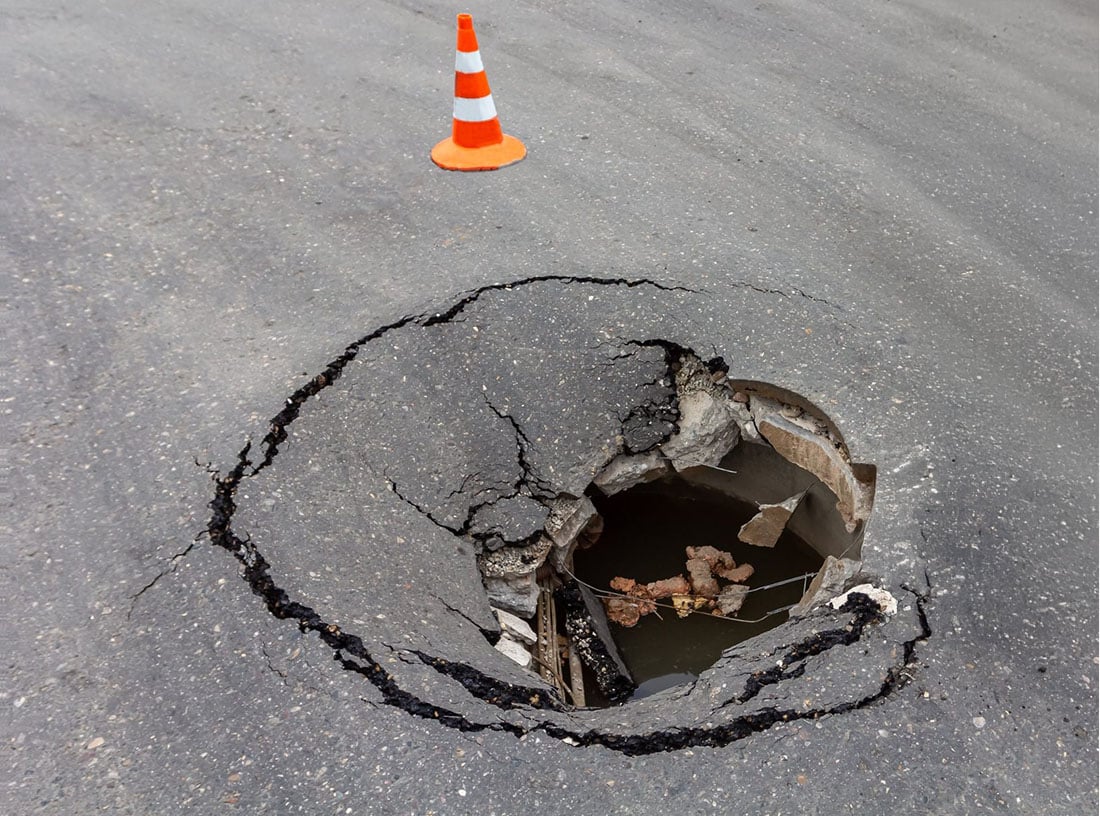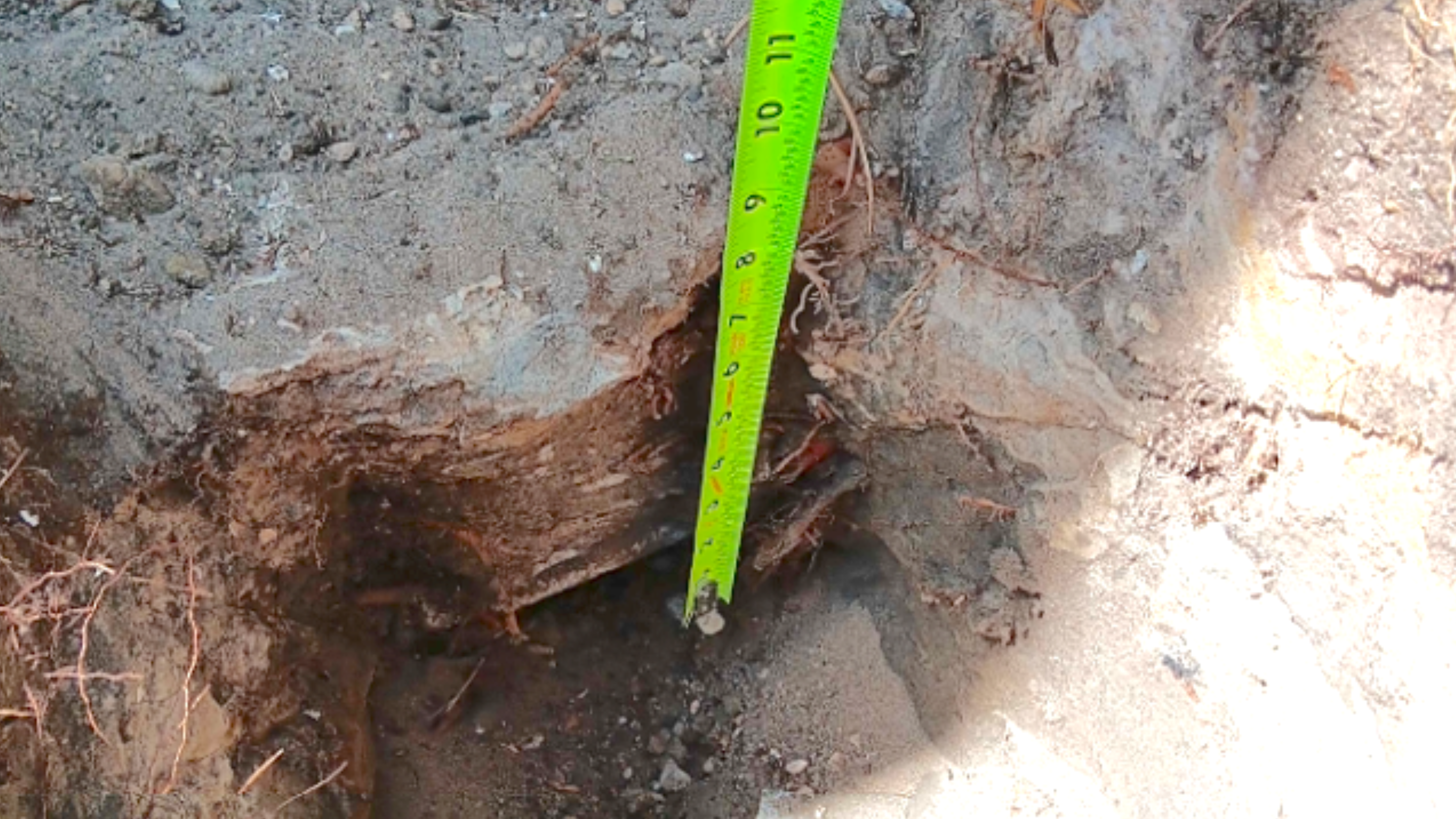
When concrete starts to sink, it creates more than an eyesore. Uneven driveways, sidewalks, and patios can become tripping hazards and affect how your home functions. Many homeowners quickly ask the same question: how much does polyurethane concrete lifting cost, and is it worth it?
At Helicon, we see this concern every day. Homeowners want a reliable fix that restores safety and appearance without the high cost and disruption of full concrete replacement.
This guide breaks down real pricing, what affects your final cost, and where extra fees can show up. By the end, you’ll know what to expect, how to budget confidently, and how to decide if polyurethane concrete lifting makes sense for your home.
Average Cost of Polyurethane Concrete Lifting
Polyurethane concrete lifting usually falls between $1,200 and $9,000 for most residential jobs in the U.S. The foam itself costs around $6 to $7 per pound. Most contractors charge a minimum service fee, typically $400 to $1,500.
National Cost Ranges
Most folks spend between $1,200 and $9,000 for these projects. Your final price depends on how much your concrete has sunk, the size of the area, and where you live.
Small repairs, like fixing a couple of sunken sidewalk panels, usually start at $1,200. Medium projects—think a chunk of your driveway—land in the $2,500 to $4,500 zone.
Large jobs that involve entire driveways or multiple slabs can cost $9,000 or more. The minimum service charge matters too. Even for a small repair, expect to pay at least $400 to $1,500 just to get a crew out to your property.
This covers the cost of hauling equipment and materials to your place. Regional labor rates matter, too. Cities with higher living costs tend to charge more than rural areas.
Cost Per Square Foot
The typical starting price is about $3.50 per square foot. Simple projects with easy access and minimal prep work stay close to this baseline.
If your project is complex, your per-square-foot cost climbs. Hard-to-reach spots, slabs that need lots of prep, or concrete that’s sunk a lot all bump up the price.
Some projects can hit $5 to $8 per square foot, depending on these headaches. The thickness of your slab matters, too. Thicker concrete needs more foam to lift, which drives up material costs.
Comparison With Traditional Mudjacking
Polyurethane lifting can cost you 30% to 50% less than replacing your concrete. That’s a big deal if you’re on a budget and just want the problem fixed.
Traditional mudjacking usually costs less per square foot than polyurethane injection. But polyurethane brings some real perks that make the higher price feel worth it.
The foam weighs way less than the cement slurry in mudjacking, so there’s less stress on your soil. Polyurethane also cures way faster. You can usually use your concrete within 15 minutes after the foam goes in.
Mudjacking, on the other hand, needs 24 to 48 hours before you can walk or drive on it. That waiting game isn’t ideal for most people.
Factors Influencing Polyurethane Concrete Lifting Cost
A few key things really drive the price of polyurethane concrete lifting. The size of your project, how bad the damage is, and where the concrete sits all play major roles.
Size of the Area
The square footage you need to lift directly affects your cost. Most contractors charge between $5 and $25 per square foot. The price per square foot often drops as the project gets bigger.
A small 50-square-foot patio repair might cost $750 to $1,000. A big 500-square-foot driveway could run $2,500 to $7,500.
Larger areas use more foam, which increases material costs. Labor time also scales up with project size. More holes to drill, more foam to pump, more time spent making sure everything comes up evenly.
If you have multiple slabs lifted in one go, you might pay less per square foot than if you scheduled separate repairs. That’s a nice little hack.
Extent of Damage
How much your concrete has settled makes a difference. Slabs that have sunk just an inch or two need less foam and fewer injection points than those that have dropped four to six inches.
Cracked or broken concrete complicates things. Your contractor may need to fill cracks, stabilize broken spots, or use more injection points to get the job done right.
That extra prep work means more material and more labor. The soil under your concrete matters too. Loose or washed-out soil needs more foam to fill the gaps and create a stable base. Dense, compact soil usually means less foam, since the voids are smaller.
Accessibility and Location
Where your concrete sits can really affect your price. A wide-open driveway might cost $5 to $10 per square foot. A basement floor? That can run $15 to $25 per square foot, since contractors have to haul equipment through your house.
Location-based pricing:
- Sidewalks: $5-$8 per square foot
- Garage floors: $8-$15 per square foot
- Pool decks: $10-$18 per square foot
- Basement floors: $15-$25 per square foot
Tight spaces need smaller equipment and more careful work. Your contractor might spend extra time working around landscaping, furniture, or building structures. Limited access to equipment can tack on $200 to $500 to your project.
Additional Costs and Hidden Fees
On top of the base price per square foot, you might run into inspection fees ($100 to $200) and permit costs (varies by location). Some contractors also charge for travel, site prep, and cleanup.
Preparation and Cleanup Charges
Your concrete usually needs some prep before the foam goes in. This could mean cleaning the surface, drilling holes, and clearing away debris or plants.
Some contractors include this in their main quote, but others bill it separately at $50 to $150. After the job, cleanup is another layer.
Workers need to seal the holes with patch material and sweep away any foam residue. If you have a decorative or finished surface, matching the patch color might cost extra.
Most contractors handle basic cleanup, but fancier finishing work can add $100 to $300. Ask upfront whether prep and cleanup are included in the estimate. Getting this straight can help you dodge surprise charges later.
Travel and Minimum Service Fees
Many companies charge travel fees if you live outside their main service area. These fees usually run $50 to $200, depending on how far you are.
Rural or remote properties often face higher travel costs than suburban homes. Minimum service fees are common for small jobs.
If your project is under 50 square feet, you might pay a minimum of $400 to $800, no matter the actual size. This covers the cost of getting equipment and crew to your place.
Some contractors will waive travel fees for bigger projects. Others roll travel into their per-square-foot pricing if you’re within a certain radius.
Ways to Save Money on Polyurethane Concrete Lifting
You can cut your lifting costs by timing your project well and bundling multiple repairs. These tricks help you keep more cash in your pocket without skimping on quality.
Off-Peak Season Discounts
A lot of companies offer better rates during their slower months. Fall and winter are usually the best times to schedule, since fewer folks are thinking about outdoor repairs.
You could save 10-20% by booking during these off-peak periods. Contractors may have more wiggle room on price and scheduling when they’re less busy.
Call around in late fall or early winter and ask about seasonal discounts. Let them know you’re flexible on timing. Just double-check that the weather is good for foam curing—super cold temps can mess with the installation.
Multiple Area Bundling
Lifting several slabs in one appointment usually drops your per-square-foot price. You save money because the contractor only makes one trip.
If you have a few problem spots, ask for a bundled rate. Fixing your driveway, sidewalk, and patio together might lower your cost by $0.50 to $1.50 per square foot compared to doing them separately.
It’s all about reduced travel, one equipment setup, and bulk material buying. Contractors work more efficiently when they can knock out everything in one go. If you’ve got a few sunken areas around your place, this is definitely worth asking about.
Choosing a Contractor for Polyurethane Concrete Lifting
Getting several quotes and reading warranty terms protects your investment and keeps the work honest. The right contractor will break down costs and stand behind their repairs.
Estimating and Quoting Process
Most contractors offer free in-person estimates. They’ll measure the area, check how much the slab has sunk, and look at access and soil conditions.
A good quote should list the square footage and price per square foot. It should also include prep work, cleanup, and how long before you can use the area.
Ask about the minimum service charge, since even small jobs can cost $400 to $1,500. Get at least three quotes to compare prices and approaches.
Some contractors charge by square footage; others by the amount of foam needed. Make sure each quote breaks down labor, materials, and any extra fees.
Ask how long the job will take and when they can start. The contractor should walk you through the injection process and tell you how many holes they’ll drill.
Warranties and Guarantees
Good contractors back up their work with warranties covering both materials and labor. Standard warranties range from one to five years, though some companies offer lifetime guarantees on their foam.
Read the warranty terms carefully. Some only cover the foam, not the labor to fix issues. Others won’t cover damage from soil erosion, tree roots, or plumbing leaks. Ask what could void the warranty. Many require you to keep good drainage around the repaired area.
Get the warranty in writing before work starts and keep it with your home records. Make sure your contractor has insurance for property damage and worker injuries. A licensed professional should show proof of both liability insurance and workers’ comp.
Making a Confident, Cost-Smart Repair Decision
Polyurethane concrete lifting offers a practical way to fix sinking slabs without the mess or expense of replacement. Understanding how much polyurethane concrete lifting costs, what drives pricing, and where extra fees can appear helps you avoid surprises and plan with confidence.
When cost, safety, and long-term performance matter, working with an experienced provider makes a difference. Helicon focuses on clear pricing, honest evaluations, and solutions that fit the condition of your concrete, not one-size-fits-all fixes.
If your driveway, sidewalk, or patio is settling, the next step is simple. Schedule an inspection or request a quote to find out what lifting will cost for your specific project and get your concrete back on solid ground.
Frequently Asked Questions
How Much Does Polyurethane Concrete Lifting Cost Per Square Foot?
Most homeowners pay between $5 and $25 per square foot, depending on access, slab condition, and how much lifting is required. Simple sidewalk repairs are usually on the lower end, while basement or pool deck work costs more.
Why Is Polyurethane Concrete Lifting Cheaper Than Replacement?
Polyurethane lifting reuses your existing concrete instead of removing and repouring it. This cuts labor, material, and disposal costs, often saving 30–50% compared to full replacement.
What Causes Polyurethane Concrete Lifting Prices To Vary So Much?
Costs vary based on project size, slab thickness, soil conditions, and location. Hard-to-reach areas or slabs that have settled several inches typically require more foam and labor.
Is Polyurethane Concrete Lifting Worth The Cost?
For many homeowners, yes. It restores safety, improves appearance, and extends the life of your concrete without the downtime or expense of replacement.
Are There Minimum Charges For Small Polyurethane Lifting Jobs?
Most contractors have minimum service fees, often ranging from $400 to $1,500. Even small repairs involve equipment setup, travel, and labor.
Does Polyurethane Concrete Lifting Increase Home Value?
While it may not directly raise appraised value, it improves curb appeal and safety. Correcting uneven concrete can also prevent future damage that would be more costly to fix.
How Long Does Polyurethane Concrete Lifting Last?
When installed correctly on stable soil, polyurethane foam can last for decades. Longevity depends on drainage, soil conditions, and proper installation.
Can Weather Affect Polyurethane Concrete Lifting Costs?
Yes. Cold temperatures can limit installation, while busy seasons may lead to higher pricing. Scheduling during slower months can sometimes reduce costs.
Are Inspections And Estimates Usually Free?
Many contractors offer free estimates, but some charge inspection fees. Always confirm upfront and request a written breakdown of all costs before approving work.