

Foundation Repair
Helicon is Florida’s most loved and trusted foundation repair expert. Experience the best in cutting-edge and locally trusted solutions. Start securing your foundation today!
Request Free Inspection:
Signs Your Home Needs Foundation Repair
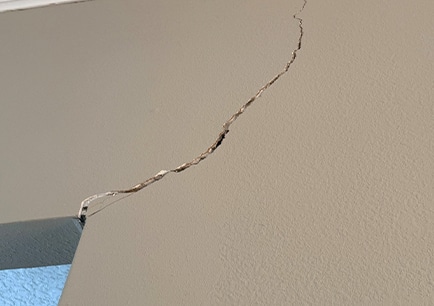
Cracks in walls or floors
Shifting or settling foundations often lead to visible cracks in drywall, tile, or concrete.
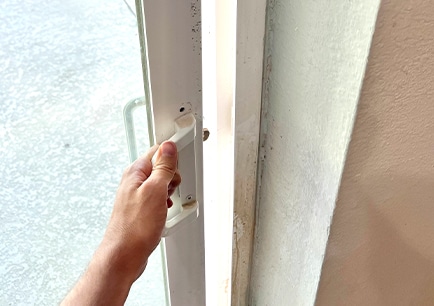
Doors or windows sticking
Misaligned frames caused by uneven settling can make it hard to operate doors and windows.
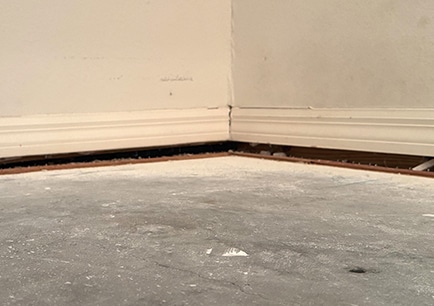
Sloping or uneven floors
Sagging or dipping floors may indicate movement beneath the home’s foundation.
Gaps around windows or doors
Separation between trim and walls often points to structural movement or uneven settling.
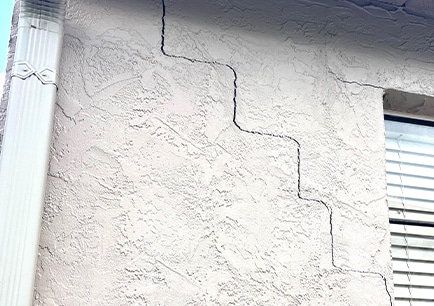
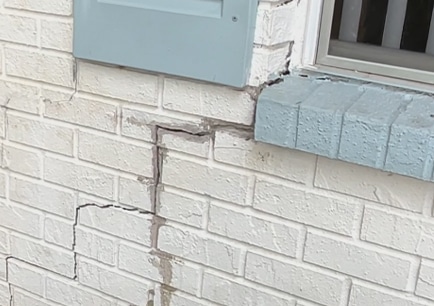
Stair-step cracks in stucco
A classic sign of foundation movement, particularly in concrete block walls or stucco finishes.
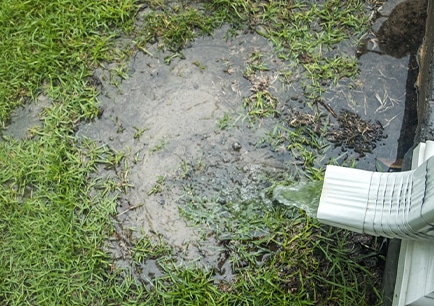
Water pooling near foundation
Persistent moisture around the base of your home can weaken soil and lead to erosion or settlement.
Foundation RepairSince 2004!




Foundation Repair Solutions for Your Florida Home
At Helicon, we offer a full range of foundation repair solutions engineered specifically for Florida’s soil conditions and home construction types. Learn more about our reliable solutions designed to protect and enhance your home.
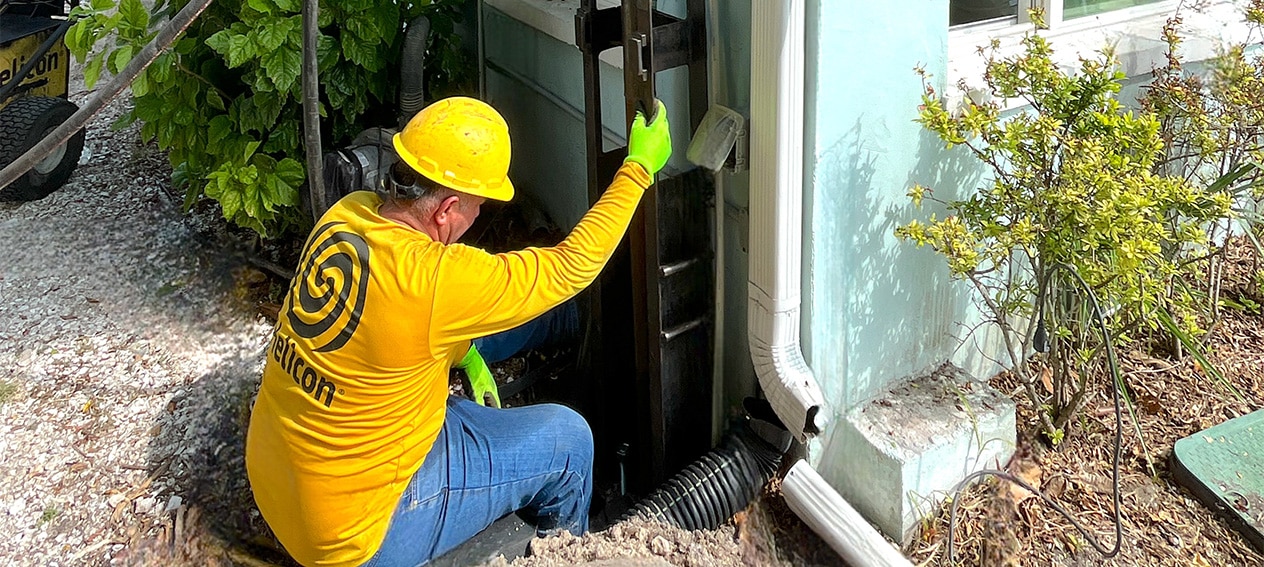
Underpinning
Underpinning strengthens your foundation by extending its depth to more stable soil layers or bedrock using heavy-duty steel piers. This method is ideal for older Florida properties with settlement caused by weak soils or fluctuating moisture levels.
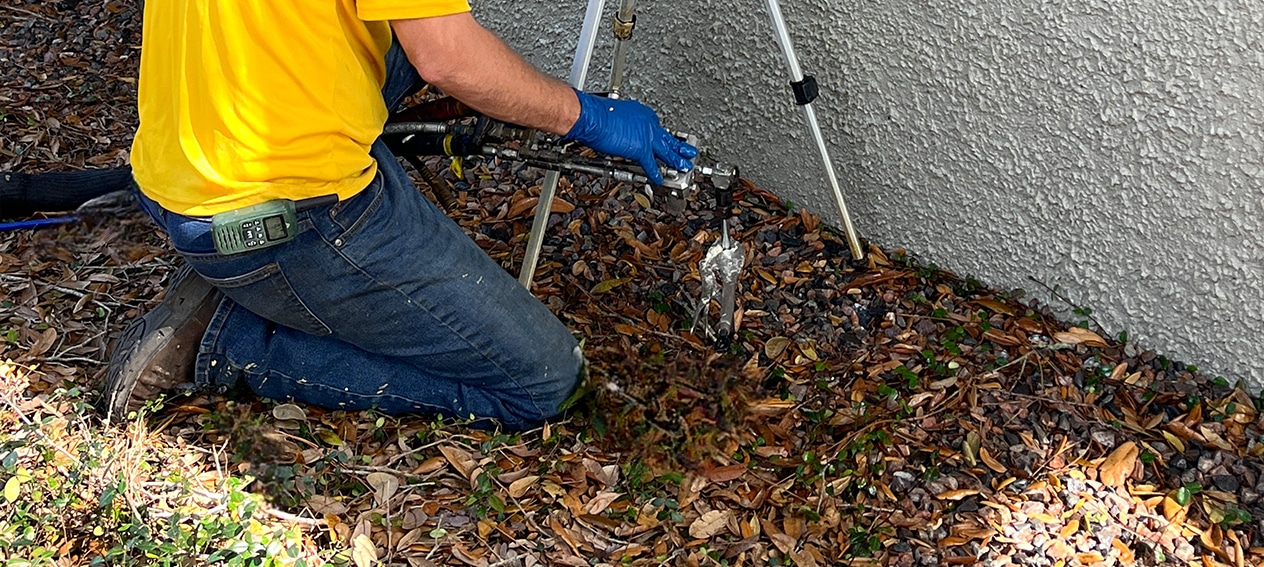
Soil Stabilization
Florida’s loose or porous soils can lead to foundation shifting and settlement. We inject specialized grout beneath the foundation to compact and solidify the soil, creating a stable base that prevents future movement.
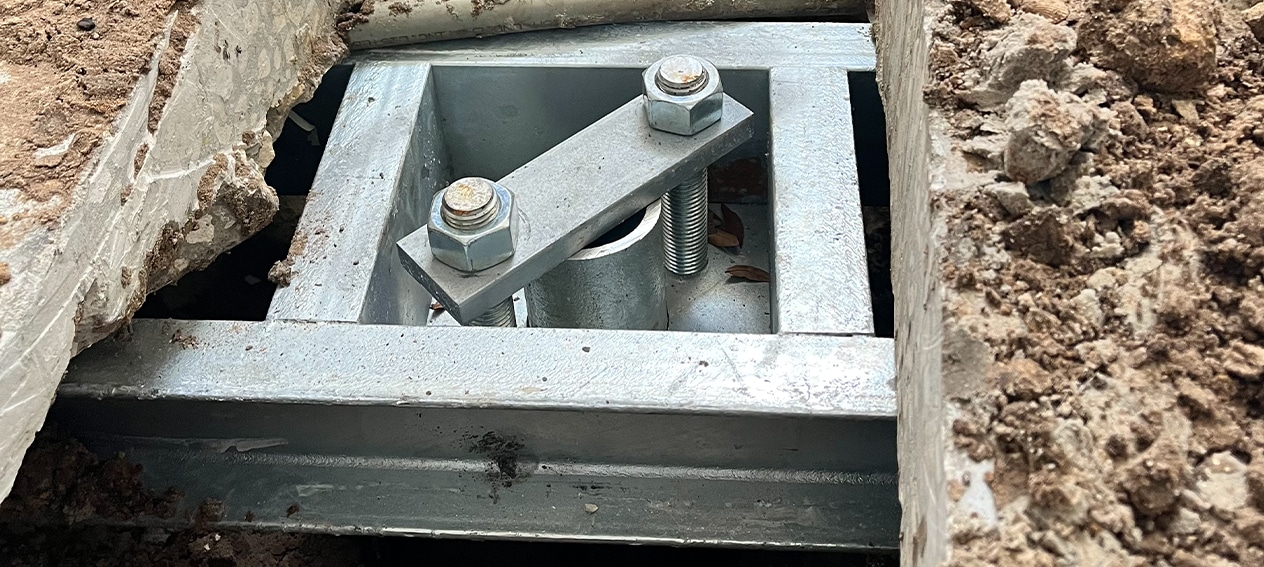
Slab Piers
For homes with concrete slab foundations, slab piers are installed beneath the slab to lift and relevel the structure. This minimally invasive solution corrects settlement without extensive demolition.
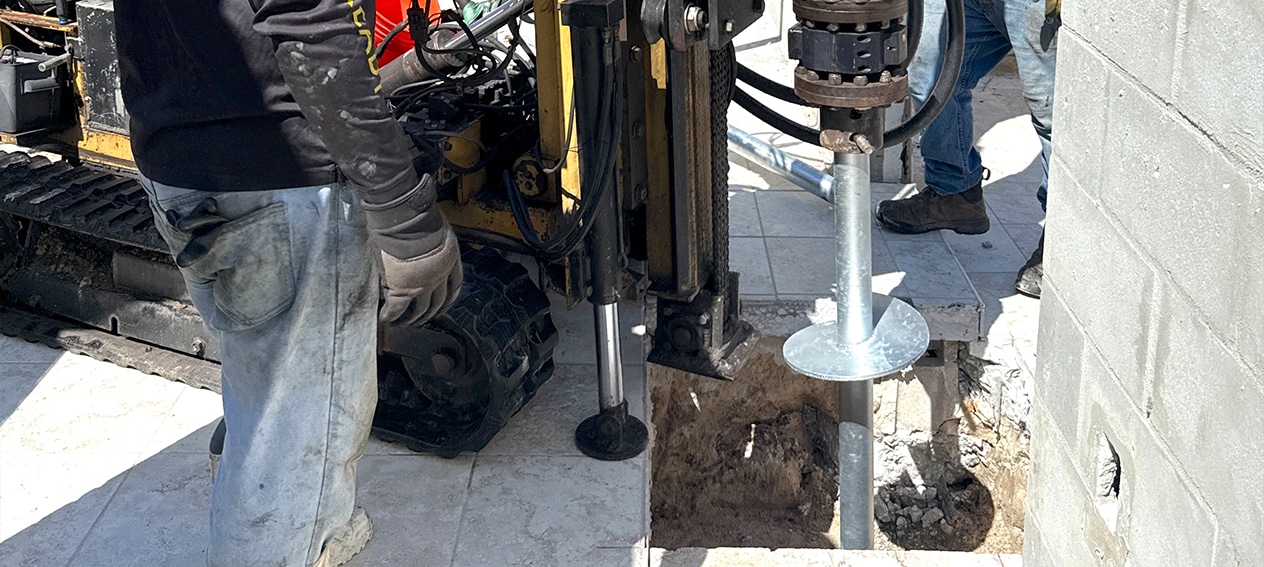
Helical Piers
Helical piers are screwed into the ground to provide immediate and lasting support to sinking or settling foundations. Perfect for lightweight structures and coastal areas with sandy or unstable soils.

Why Foundation Problems Happen in Florida
Florida’s unique weather and environment creates the perfect storm for foundation movement. Understanding the cause is the first step to solving the problem for good.
| → Expansive clay & loose sand soils | → Sinkhole activity in certain regions |
| → High water tables | → Inadequate construction & soil prep |
| → Poor drainage & stormwater runoff | → Hurricane and flood damage |
Not sure if what you’re seeing is a sign of foundation trouble? We’re proud to offer free, no-obligation inspections across Florida. Our expert team will assess your home, explain what’s happening, and recommend the right solution.
Request Your Free Inspection
Our Florida-based foundation experts will assess your home, identify any issues, and provide honest recommendations—at no cost and with no pressure to commit.
FREE INSPECTION REQUEST
Foundation Repair FAQ
What are signs of possible foundation problems?
Will my landscape be damaged?
Your property is important to you, and that makes it important to us. We take great care during repairs to avoid damaging your landscaping, doing our best to leave everything just as we found it.
What causes foundation problems in Florida?
How can I tell if my foundation needs repair?
What are helical piers, and when are they used?
Is foundation repair expensive?
How long does foundation repair take?
Can foundation repair be done in a home with a high water table?
Yes, foundation repair can be done in homes with a high water table. Methods like underpins, soil stabilization, and in some cases, helical piers, are designed to provide deep, stable support in moisture-prone conditions. These solutions help counteract soil movement caused by water fluctuations, preserving the integrity of your foundation.
Do I need to move out during foundation repair?
How do I know if the foundation repair was done correctly?
The most reliable sign of a successful foundation repair is that no further settlement occurs over time. Additionally, previous issues—such as cracks, uneven floors, or sticking doors and windows—should stop worsening or may improve.
Is foundation repair covered by insurance?
Additional Services from Helicon
Helicon offers a full range of ground engineering and structural services designed to protect and preserve your Florida property.

Concrete Lifting & Repair
Restore safety and appearance by correcting uneven or sunken concrete surfaces.

Seawall Repair
Protect your waterfront property by repairing and reinforcing failing seawalls.

Soil Stabilization
Improve ground stability to prevent foundation settlement and structural shifting.